569 kr
Skickas inom 10-15 vardagar
569 kr
Skickas inom 10-15 vardagar
708 kr
Läs direkt efter köp
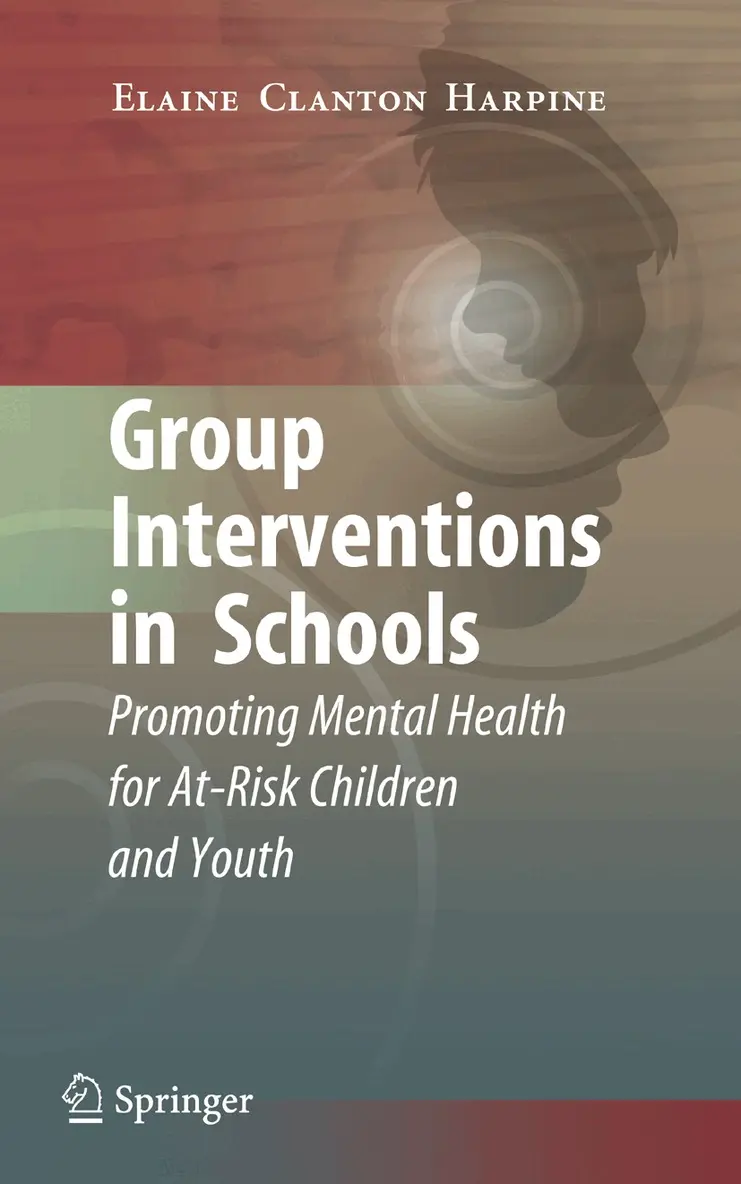
Children who are labeled at-risk often suffer from severe deficiencies in cognitive, affective, and behavioral skills that, if unaddressed, may lead to limited prospects for future success and well-being. Tapping into the therapeutic potential of groups, this volume presents the theory and practice of cognitive-oriented group-centered counseling – combining intrinsic motivation, efficacy retraining, and targeted play therapy and social role-playing – that can be implemented to help children build core social skills and emotional regulation to complement their classroom instruction.
In addition to providing a complete framework for developing, facilitating, and evaluating group interventions with children in their natural learning environments, Group Interventions in Schools: Offers observational exercises to assist readers in gaining a deeper understanding of how group interventions work; Provides both the theory and research that supports real-world group-based motivational interventions; Explains how and why group-centered interventions support children’s psychological adjustment and bolster their academic achievement; Analyzes how efficacy retraining works, specifically in changing the child’s cognitive and academic motivations and perceptions; Features instructive case examples and proven, ready-to-use group-focused interventions that can be readily applied or adapted to specific situations; Shows how therapeutic gains translate into improved classroom performance.
Written primarily for school-based psychologists, counselors, and other school mental health personnel, this volume provides a solid foundation for those new to the field as well as a creative boost for group specialists. Other education professionals and mental health clinicians working with children and adolescents will find much of practical value here. Its accessible style makes the book worthwhile as a training text.
569 kr
Skickas inom 10-15 vardagar
1 131 kr
Skickas inom 10-15 vardagar
1 502 kr
Läs direkt efter köp
School psychologists, counselors, and educators in the K-12 setting face the daunting responsibility of finding balance between mandated testing, students’ mental-health concerns, and additional academic help for at-risk students. One solution to this dilemma is to implement a school-based mental health approach that combines learning and counseling needs into a single program. Several types of successful programs are available, though week-long intensive programs have recently increased in popularity.
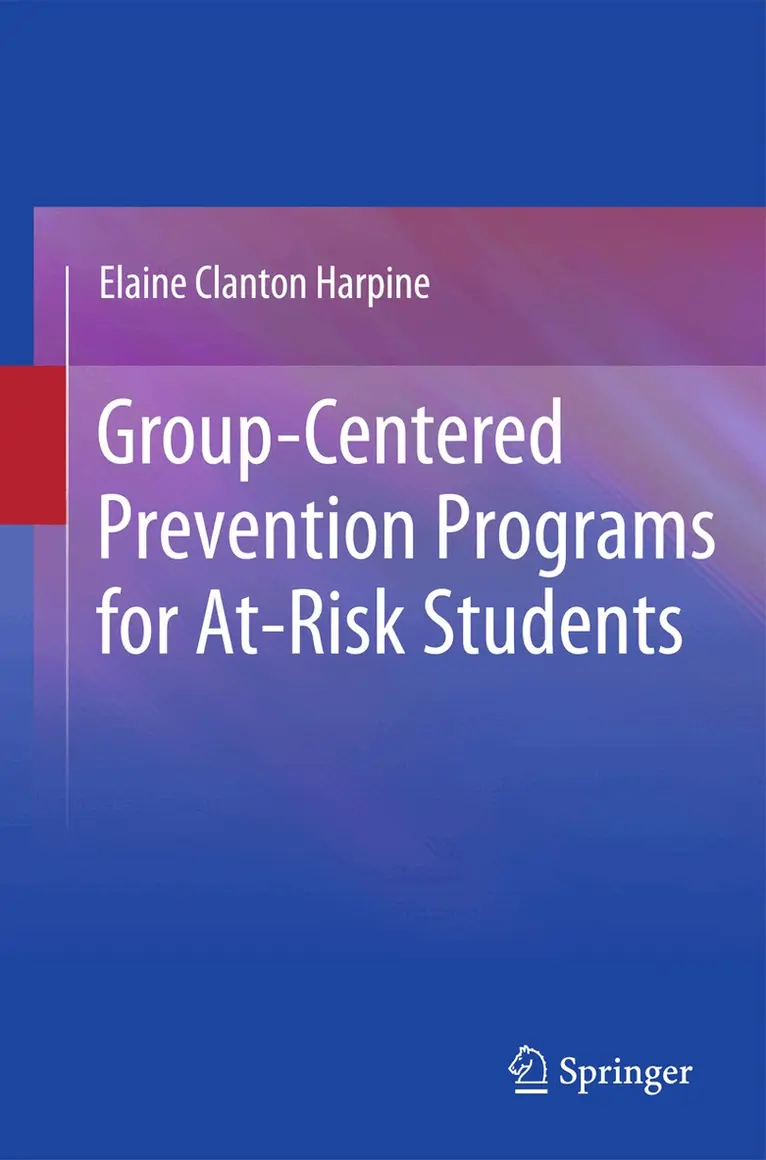
Group-Centered Prevention Programs for At-Risk Students focuses on the development of such a week-long prevention program, and provides professionals with step-by-step directions to create their own program. It also focuses on the use of group-centered interventions as an opportunity to prevent at-risk behaviors as a means of correcting or changing dysfunctional behavior.
This highly readable volume addresses such challenging issues as:
Using self-reflection to teach writing skills.Increasing interpersonal interaction while honing etiquette.Enhancing group acceptance and reading comprehension.Rebuilding self-efficacy by increasing word recognition and decoding skills.With its solid research foundation combined with clear, practical program descriptions, this volume is an essential addition to the libraries of researchers and practitioners alike in the disciplines of school psychology, education, social work, psychotherapy and counseling, and clinical child psychology.
726 kr
Skickas inom 3-6 vardagar
569 kr
Skickas inom 10-15 vardagar
713 kr
Läs direkt efter köp
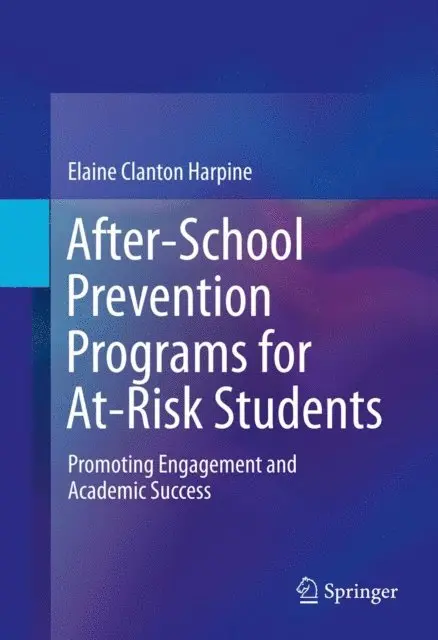
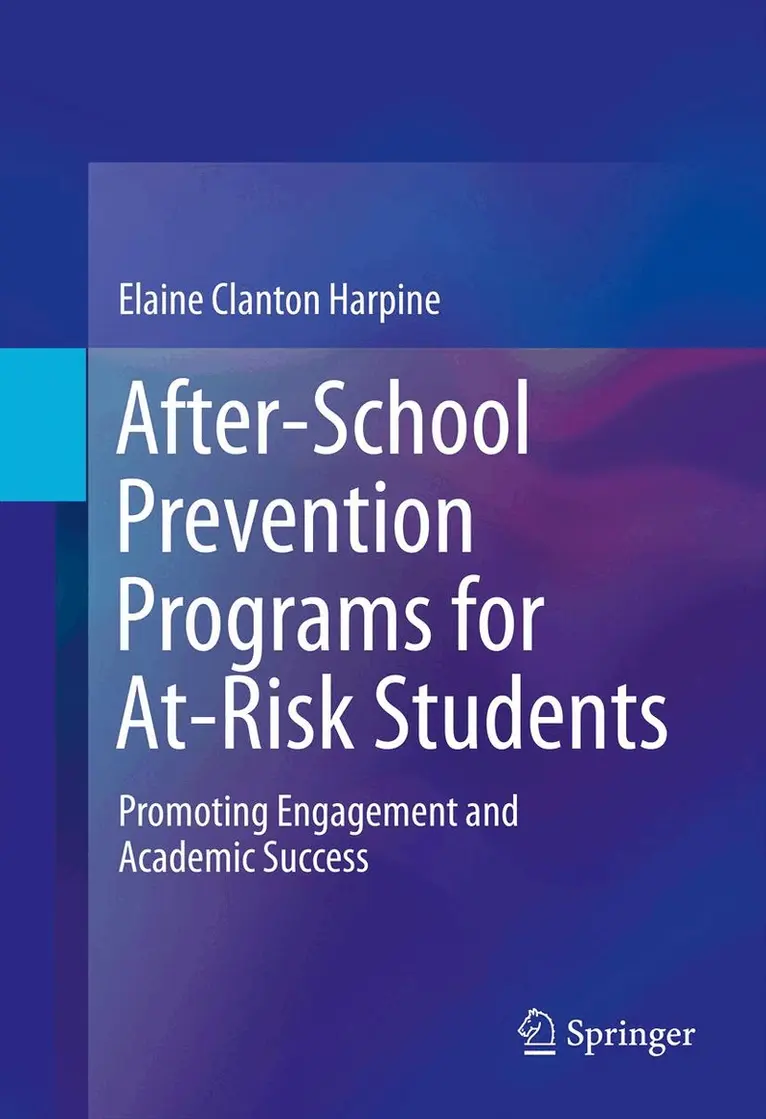
After-School Prevention Programs for At-Risk Students offers professionals a detailed framework for developing and enhancing after-school programs. Emphasizing a prevention focus and a group-centered interactive approach, the book''s year-long model combines education and counseling, incorporating key therapeutic objectives to foster academic and behavior skills and reduce problems in and outside class. Practical step-by-step guidelines for creating and implementing programs include clear rationales, instructive design and case examples, and ready-to-use interventions. The author also provides guidance on developmental, gender, and cultural considerations, the challenges of maintaining progress over the course of the school year, and the handling of severe learning and emotional problems.
Among the topics covered:
Organizing a group-centered after-school program.Combining learning and counseling into one curriculum.The role of motivation in an ongoing year-long program.Group process, self-efficacy, cohesion: applying the principles of change.Interaction in a year-long program.Solving problems and conflicts.After-School Prevention Programs for At-Risk Students is an essential reference for scientist-practitioners, clinicians, and academics in such disciplines as school psychology, childhood education, social work, psychotherapy and counseling, and learning andinstruction.
1 131 kr
Skickas inom 10-15 vardagar
569 kr
Skickas inom 10-15 vardagar
1 063 kr
Skickas inom 10-15 vardagar
1 259 kr
Läs direkt efter köp
This book examines the eight-year development of the Reading Orienteering Club after-school program, showing how to develop, test, change, and adapt an after-school program to fit the needs of the children who attend. It includes case studies and data reports for each year and presents the theory, application, and program evaluation steps that workers in the field or students learning about program design must follow. Chapters present first-person accounts as well as statistical evaluations of the effectiveness of the reading program with each group of children. In addition, chapters highlight the changes that were made in program design and why each change was implemented, giving practitioners the insights needed to adapt interventions and strategies to their own programs. The book concludes with recommendations from the authors on how to run a successful after-school reading program.
Topics featured in this book include:
The effect of intrinsic motivation to mental wellness in the classroom.The importance of oral reading in correcting reading failure.Group-center approaches to teaching reading in the classroom.How to select the best evaluation tool.The challenges of mixing inner city and rural students in a reading program.After-School Programming and Intrinsic Motivation is an essential reference for scientist-practitioners, clinicians, researchers, and graduate students in such disciplines as school psychology, childhood education, social work, psychotherapy and counseling, and learning and instruction.
957 kr
Skickas inom 10-15 vardagar
1 468 kr
Skickas inom 10-15 vardagar
1 705 kr
Läs direkt efter köp
Key areas of coverage include:
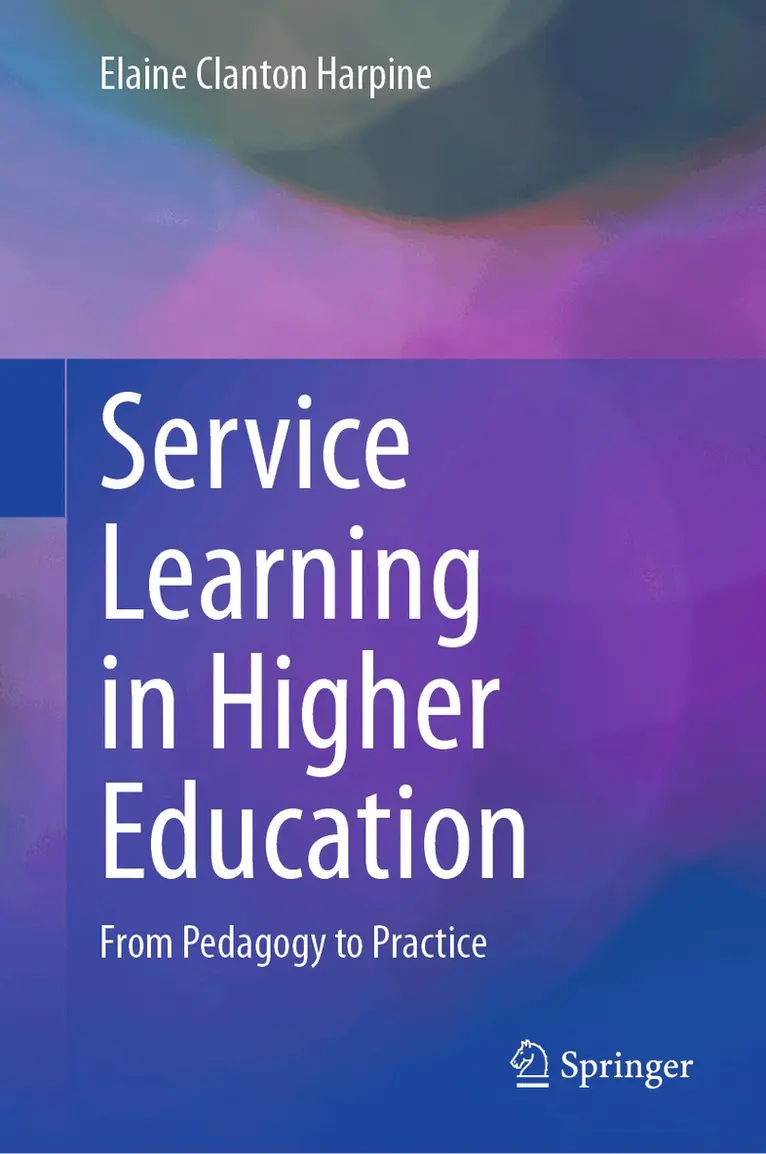
Strategies for ensuring that students engage with academic service-learning projects from the initial stages through completion.Guidance on embedding an academic service-learning curriculum into traditional coursework to supplement students’ textbook knowledge and classroom experiences to address real-world problems in the community.Research confirming the ways in which students learn more and score higher on end-of-the-semester tests when courses incorporate academic service-learning projects.Steps to incorporate service-learning projects across various disciplines and coursework to enrich student learning and produce positive outcomes for universities and communities.Service Learning in Higher Education is an essential resource for professors and graduate students as well as teachers and educational professionals in such varied fields as school and clinical child psychology, educational psychology, social work, pedagogy, educational practice and policy, sociology, anthropology, and all related disciplines.
1 468 kr
Skickas inom 10-15 vardagar
569 kr
Skickas inom 10-15 vardagar
739 kr
Läs direkt efter köp
This book presents the concept of group-centered prevention and provides explanations and exercises for learning the method and teaching it to others. Detailed studies offer evidence for the continuing importance of prevention in mental well-being and distinguishes group-centered prevention from other group interventions by its ability to resolve incipient mental health issues and emotional problems. Case examples with adults, children, couples, and others demonstrate successful uses of group-centered techniques as well as illustrate the problems that arise in group settings. The book''s ready-to-apply training exercises give prospective group leaders practice in starting new groups, fostering cohesion, integrating therapeutic factors into sessions, and other core skills.
Featured topics include:
Group-centered prevention in contrast with other group interventions.Characteristics of effective leaders in group-centered prevention.Benefits of prevention groups as opposed to those gained in counseling and therapy.Key constructs of self-efficacy and intrinsic motivation in group-centered prevention.Stages of development in new groups.Formats for developing training exercises.Group-Centered Prevention in Mental Health is an essential resource for scientist-practitioners, clinicians, and researchers as well as graduate students in such disciplines as school psychology, social work, and public health. Its educational uses span classroom, workshop, and training settings across the health and healing disciplines.
569 kr
Skickas inom 10-15 vardagar
537 kr
Skickas inom 10-15 vardagar
713 kr
Läs direkt efter köp