796 kr
Skickas inom 10-15 vardagar
796 kr
Skickas inom 10-15 vardagar
2 618 kr
Skickas inom 10-15 vardagar
927 kr
Läs direkt efter köp
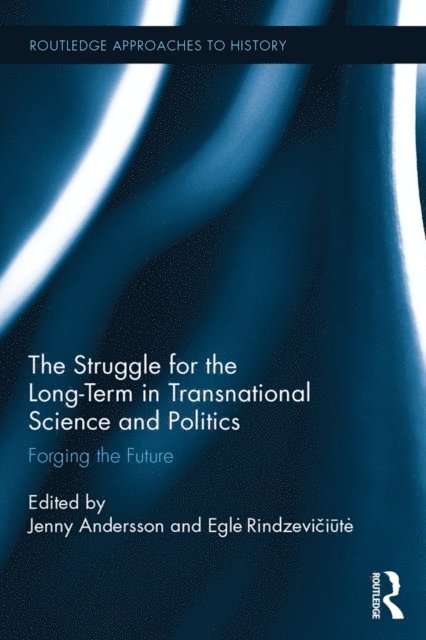
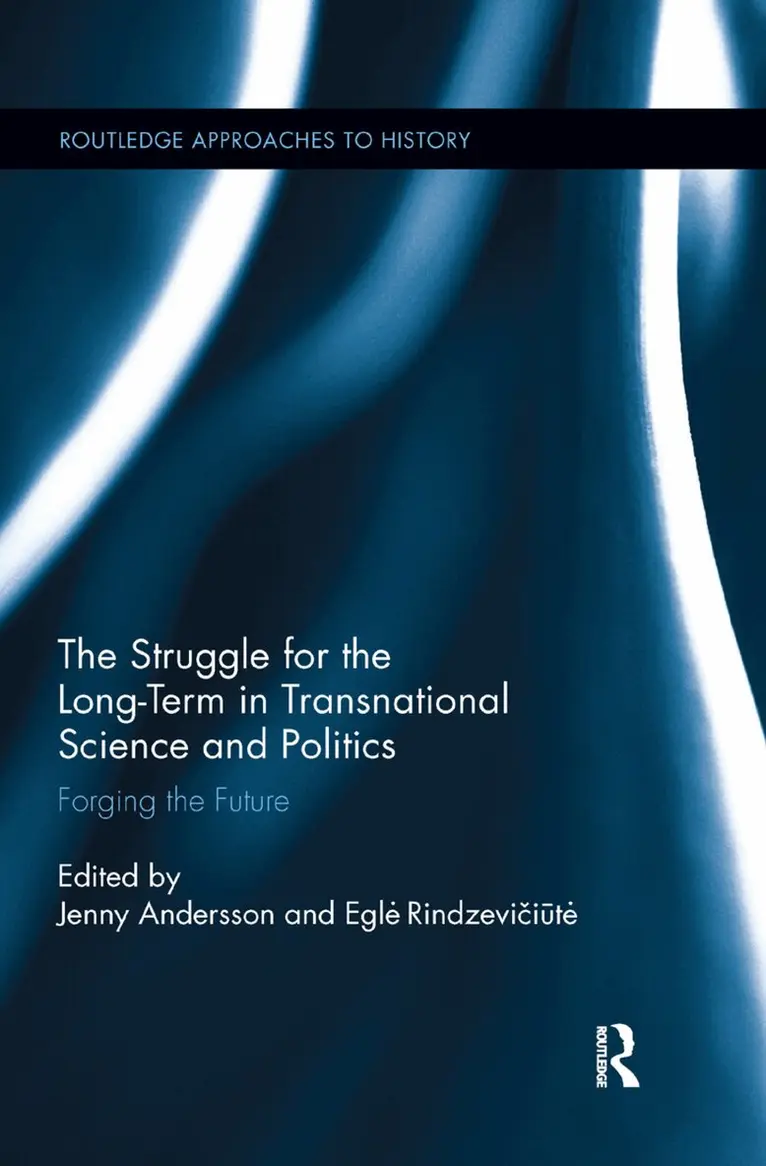
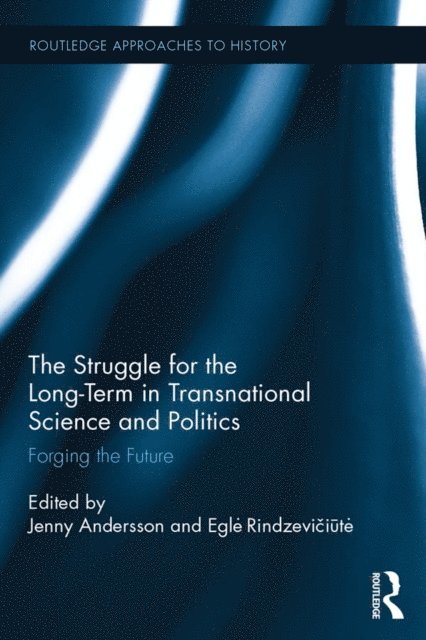
This book reconsiders the power of the idea of the future. Bringing together perspectives from cultural history, environmental history, political history and the history of science, it investigates how the future became a specific field of action in liberal democratic, state socialist and post-colonial regimes after the Second World War. It highlights the emergence of new forms of predictive scientific expertise in this period, and shows how such forms of expertise interacted with political systems of the Cold War world order, as the future became the prism for dealing with post-industrialisation, technoscientific progress, changing social values, Cold War tensions and an emerging Third World. A forgotten problem of cultural history, the future re-emerges in this volume as a fundamentally contested field in which forms of control and central forms of resistance met, as different actors set out to colonise and control and others to liberate. The individual studies of this book show how the West European, African, Romanian and Czechoslovak "long term" was constructed through forms of expertise, computer simulations and models, and they reveal how such constructions both opened up new realities but also imposed limits on possible futures.
927 kr
Läs direkt efter köp
This book reconsiders the power of the idea of the future. Bringing together perspectives from cultural history, environmental history, political history and the history of science, it investigates how the future became a specific field of action in liberal democratic, state socialist and post-colonial regimes after the Second World War. It highlights the emergence of new forms of predictive scientific expertise in this period, and shows how such forms of expertise interacted with political systems of the Cold War world order, as the future became the prism for dealing with post-industrialisation, technoscientific progress, changing social values, Cold War tensions and an emerging Third World. A forgotten problem of cultural history, the future re-emerges in this volume as a fundamentally contested field in which forms of control and central forms of resistance met, as different actors set out to colonise and control and others to liberate. The individual studies of this book show how the West European, African, Romanian and Czechoslovak "long term" was constructed through forms of expertise, computer simulations and models, and they reveal how such constructions both opened up new realities but also imposed limits on possible futures.
1 715 kr
Skickas inom 10-15 vardagar
714 kr
Skickas inom 10-15 vardagar
316 kr
Skickas inom 10-15 vardagar
740 kr
Kommande
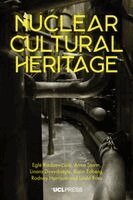
Nuclear cultural heritage encompasses the locations, environments, objects, materials, practices, knowledge and memories associated with the use of nuclear technology. This includes power generation, radioactive waste storage, accidents, uranium extraction, weapons testing and deployment, people and communities and the political and cultural debates surrounding them. It is an expanding heritage category and a marker of the late modern planetary condition par excellence.
Nuclear Cultural Heritage takes you on a global journey, exploring heritage-making in diverse contexts. The book includes nuclear weapon deployment sites in New Mexico and the Kiritimati Islands, irradiated landscapes of the Eastern Urals in Russia and Fukushima in Japan, humble radioactive sediments in South Sweden, and seemingly safe museum confinements such as the Musée Curie in Paris. The diversity of the legacies of nuclear technology is revealed in exemplary case studies of, among others, utopian ruins in Argentina, military base remnants in Cuba and ‘peaceful’ nuclear reactors undergoing decommissioning in Ukraine. The book argues that nuclear cultural heritage-making enables communities, organisations and societies to reckon with complex problems such as national security, environmental degradation and colonial dispossession. It shows that nuclear cultural heritage-making can open pathways for bringing diverse stakeholders together to shape more democratic and viable living milieus in the extremely long-term nuclear age.
496 kr
Kommande
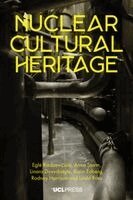
Nuclear cultural heritage encompasses the locations, environments, objects, materials, practices, knowledge and memories associated with the use of nuclear technology. This includes power generation, radioactive waste storage, accidents, uranium extraction, weapons testing and deployment, people and communities and the political and cultural debates surrounding them. It is an expanding heritage category and a marker of the late modern planetary condition par excellence.
Nuclear Cultural Heritage takes you on a global journey, exploring heritage-making in diverse contexts. The book includes nuclear weapon deployment sites in New Mexico and the Kiritimati Islands, irradiated landscapes of the Eastern Urals in Russia and Fukushima in Japan, humble radioactive sediments in South Sweden, and seemingly safe museum confinements such as the Musée Curie in Paris. The diversity of the legacies of nuclear technology is revealed in exemplary case studies of, among others, utopian ruins in Argentina, military base remnants in Cuba and ‘peaceful’ nuclear reactors undergoing decommissioning in Ukraine. The book argues that nuclear cultural heritage-making enables communities, organisations and societies to reckon with complex problems such as national security, environmental degradation and colonial dispossession. It shows that nuclear cultural heritage-making can open pathways for bringing diverse stakeholders together to shape more democratic and viable living milieus in the extremely long-term nuclear age.