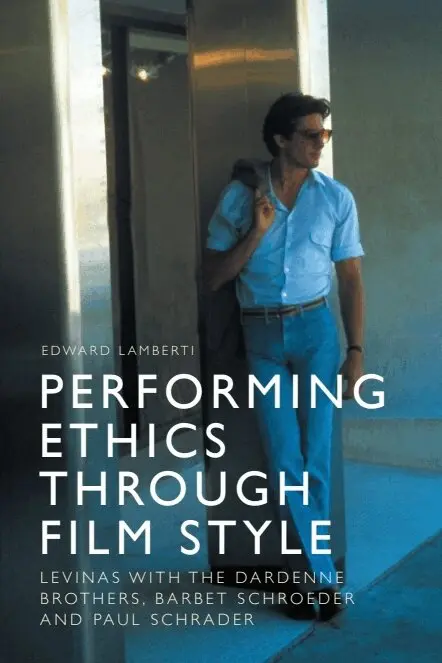
Emmanuel Levinas's ethical philosophy has had a significant influence on film theory in recent years. Proposing a relationship between Levinasian ethics and film style, and bringing it into a productive dialogue with theories of performativity, this book explores this influence through three directorial bodies of work: those of the Dardenne Brothers, Barbet Schroeder and Paul Schrader. Discussing a range of films - including the Dardennes' Le Fils and The Kid with a Bike, Schroeder's Maitresse and Reversal of Fortune and Schrader's American Gigolo and The Comfort of Strangers - Edward Lamberti demonstrates how film styles can perform a Levinasian ethics.
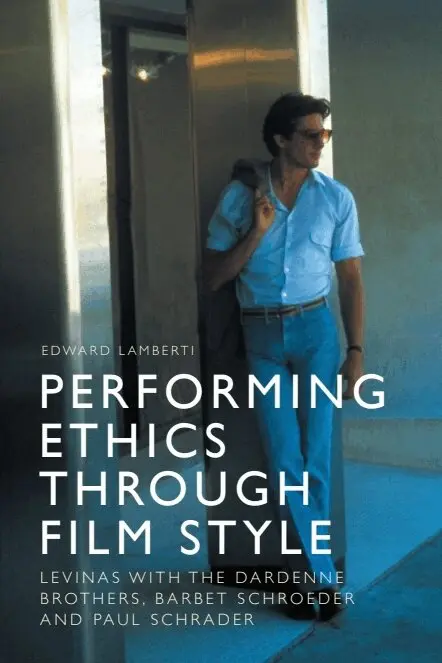
Emmanuel Levinas’s ethical philosophy has had a significant influence on film theory in recent years. Proposing a relationship between Levinasian ethics and film style, and bringing it into a productive dialogue with theories of performativity, this book explores this influence through three directorial bodies of work: those of the Dardenne Brothers, Barbet Schroeder and Paul Schrader. Discussing a range of films – including the Dardennes’ Le Fils and The Kid with a Bike, Schroeder’s Maîtresse and Reversal of Fortune and Schrader’s American Gigolo and The Comfort of Strangers – Edward Lamberti demonstrates how film styles can perform a Levinasian ethics.
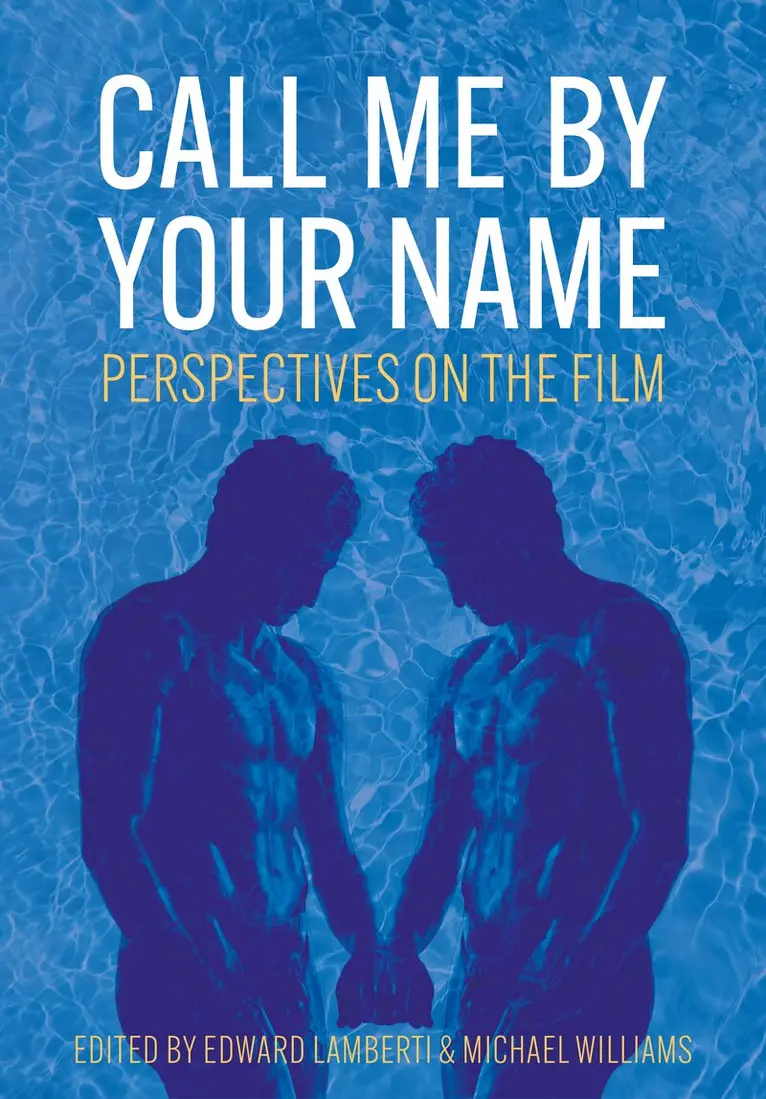
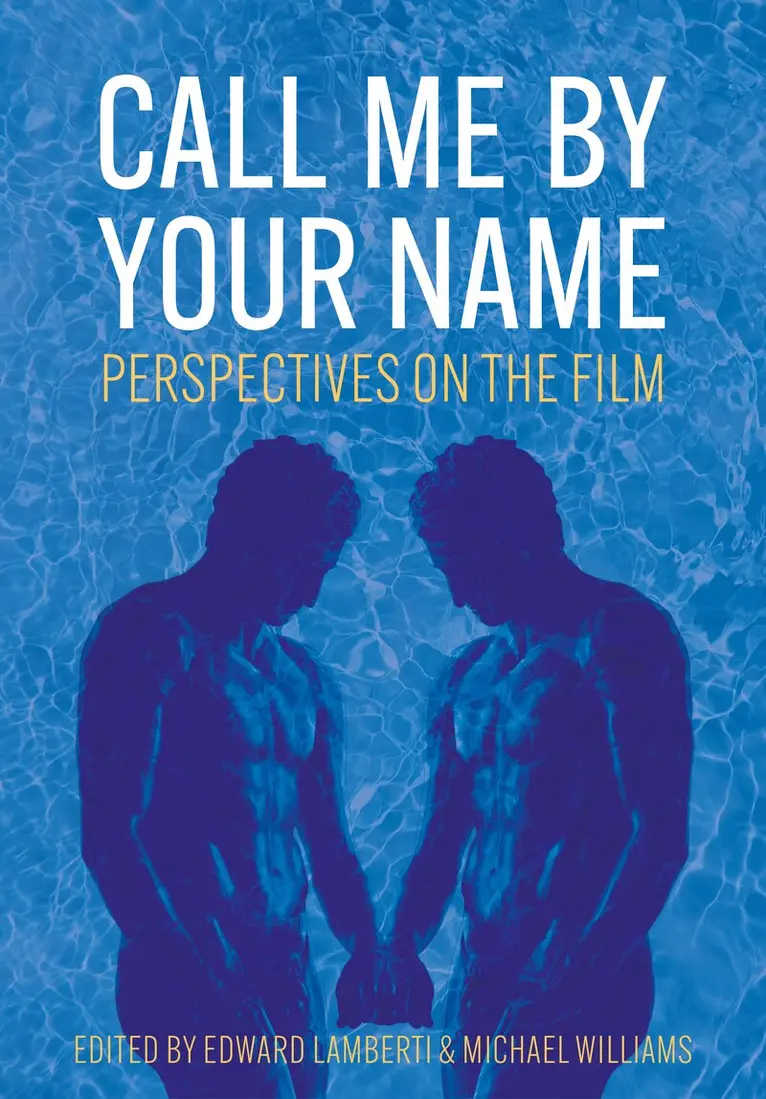
Adapted by James Ivory from André Aciman’s novel and directed by Luca Guadagnino, the film Call Me by Your Name has been passionately received among audiences and critics ever since its 2017 release. A love story between seventeen-year-old Elio (Timothée Chalamet) and graduate student Oliver (Armie Hammer) and set in 1983 ‘Somewhere in northern Italy’, Call Me by Your Name presents a gay relationship in a romantic idyll seemingly untroubled by outside pressures, prejudices or tragedy. While this means it offers audiences welcome opportunities to swoon in front of an LGBTQ+ romance that equals classic heterosexual romances onscreen, its relevance or political significance today may not be immediately apparent. And yet the film is abundantly infused with narrative, thematic and stylistic elements that can be interpreted as speaking powerfully to contemporary audiences on questions of sexual identity.This edited collection addresses how the film helps inform our understanding of contemporary sexual identity and romance. How does this love story explore wider tensions that exist between the specific and the general, between the open and the hidden, and between the past and the present? The contributors to the collection explore these questions in stimulating and contemplative manners.
This official history of the British Board of Film Classification (BBFC) draws on unprecedented access to the BBFC''s archives to trace 100 years of film classification, with contributions from leading film critics and historians and case studies of controversial films such as Battleship Potemkin and A Clockwork Orange.
This official history of the British Board of Film Classification (BBFC) draws on unprecedented access to the BBFC's archives to trace 100 years of film classification, with contributions from leading film critics and historians and case studies of controversial films such as Battleship Potemkin and A Clockwork Orange.
This official history of the British Board of Film Classification (BBFC) draws on unprecedented access to the BBFC''s archives to trace 100 years of film classification, with contributions from leading film critics and historians and case studies of controversial films such as Battleship Potemkin and A Clockwork Orange.