Häftad, Engelska, 2015
997 kr
Skickas inom 7-10 vardagar
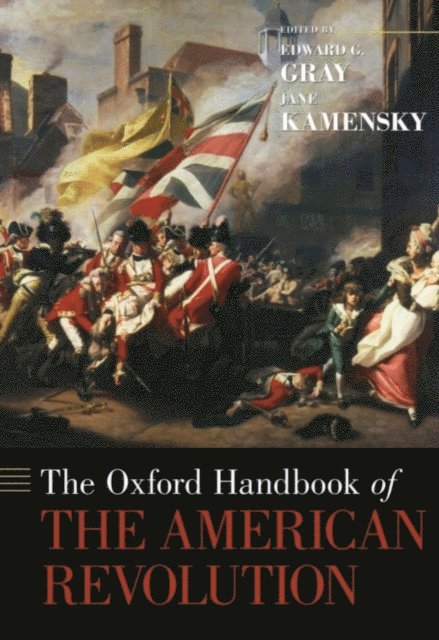
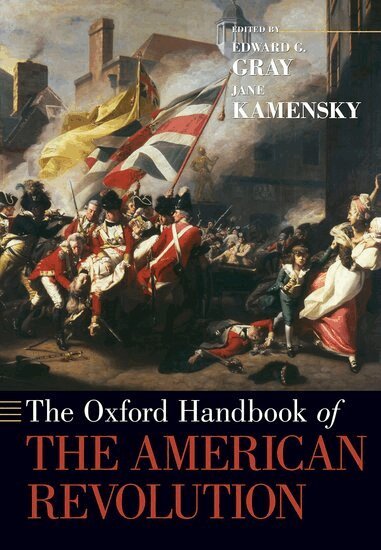
The Oxford Handbook of the American Revolution draws on a wealth of new scholarship to create a vibrant dialogue among varied approaches to the revolution that made the United States. In thirty-three essays written by authorities on the period, the Handbook brings to life the diverse multitudes of colonial North America and their extraordinary struggles before, during, and after the eight-year-long civil war that secured the independence of thirteen rebel colonies from their erstwhile colonial parent. The chapters explore battles and diplomacy, economics and finance, law and culture, politics and society, gender, race, and religion. Its diverse cast of characters includes ordinary farmers and artisans, free and enslaved African Americans, Indians, and British and American statesmen and military leaders. In addition to expanding the Revolution's who, the Handbook broadens its where, portraying an event that far transcended the boundaries of what was to become the United States. It offers readers an American Revolution whose impact ranged far beyond the thirteen colonies. The Handbook's range of interpretive and methodological approaches captures the full scope of current revolutionary-era scholarship. Its authors, British and American scholars spanning several generations, include social, cultural, military, and imperial historians, as well as those who study politics, diplomacy, literature, gender, and sexuality. Together and separately, these essays demonstrate that the American Revolution remains a vibrant and inviting a subject of inquiry. Nothing comparable has been published in decades.