614 kr
Skickas
614 kr
Skickas
614 kr
Skickas
725 kr
Skickas inom 11-20 vardagar
735 kr
Skickas
810 kr
Läs direkt efter köp
792 kr
Skickas inom 3-6 vardagar
600 kr
Skickas inom 11-20 vardagar
1 043 kr
Läs direkt efter köp
1 043 kr
Läs direkt efter köp
868 kr
Läs direkt efter köp
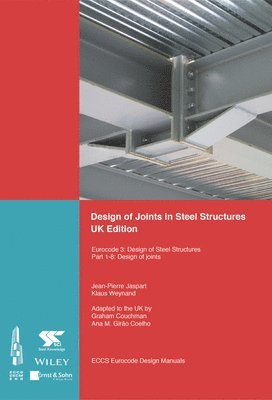
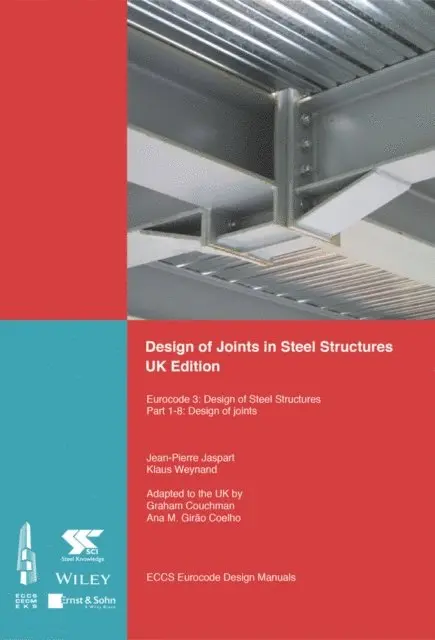
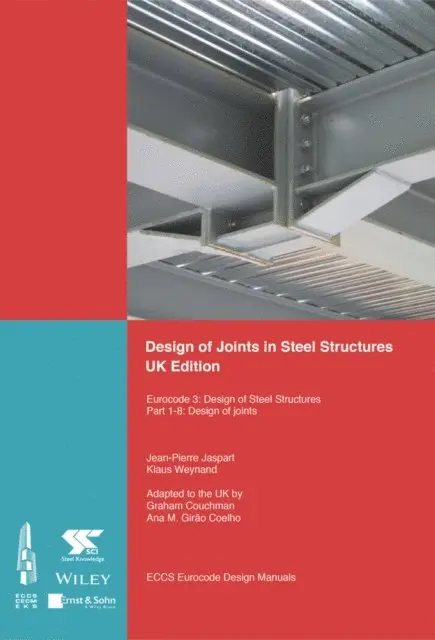
This book details the basic concepts and the design rules included in Eurocode 3
Design of steel structures: Part 1-8 Design of joints Joints in composite construction are also addressed through references to Eurocode 4 Design of composite steel and concrete structures Part 1-1: General rules and rules for buildings.Attention has to be duly paid to the joints when designing a steel or composite structure, in terms of the global safety of the construction, and also in terms of the overall cost, including fabrication, transportation and erection. Therefore, in this book, the design of the joints themselves is widely detailed, and aspects of selection of joint configuration and integration of the joints into the analysis and the design process of the whole construction are also fully covered.
Connections using mechanical fasteners, welded connections, simple joints, moment-resisting joints and lattice girder joints are considered. Various joint configurations are treated, including beam-to-column, beam-to-beam, column bases, and beam and column splice configurations, under different loading situations (axial forces, shear forces, bending moments and their combinations).
The book also briefly summarises the available knowledge relating to the application of the Eurocode rules to joints under fire, fatigue, earthquake, etc., and also to joints in a structure subjected to exceptional loadings, where the risk of progressive collapse has to be mitigated.
Finally, there are some worked examples, plus references to already published examples and to design tools, which will provide practical help to practitioners.
897 kr
Läs direkt efter köp
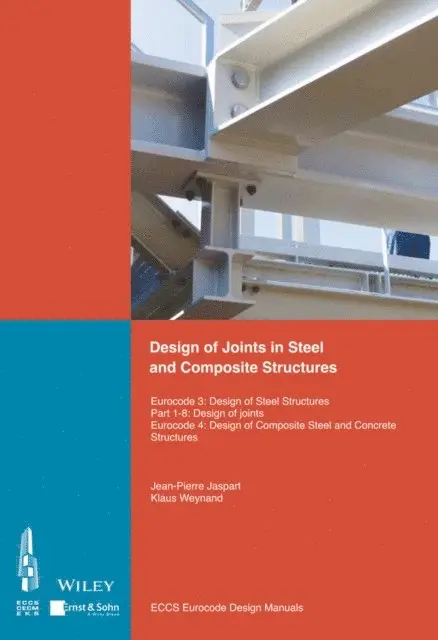
This book details the basic concepts and the design rules included in Eurocode 3
Design of steel structures: Part 1-8 Design of joints Joints in composite construction are also addressed through references to Eurocode 4 Design of composite steel and concrete structures Part 1-1: General rules and rules for buildings.Attention has to be duly paid to the joints when designing a steel or composite structure, in terms of the global safety of the construction, and also in terms of the overall cost, including fabrication, transportation and erection. Therefore, in this book, the design of the joints themselves is widely detailed, and aspects of selection of joint configuration and integration of the joints into the analysis and the design process of the whole construction are also fully covered.
Connections using mechanical fasteners, welded connections, simple joints, moment-resisting joints and lattice girder joints are considered. Various joint configurations are treated, including beam-to-column, beam-to-beam, column bases, and beam and column splice configurations, under different loading situations (axial forces, shear forces, bending moments and their combinations).
The book also briefly summarises the available knowledge relating to the application of the Eurocode rules to joints under fire, fatigue, earthquake, etc., and also to joints in a structure subjected to exceptional loadings, where the risk of progressive collapse has to be mitigated.
Finally, there are some worked examples, plus references to already published examples and to design tools, which will provide practical help to practitioners.
890 kr
Läs direkt efter köp
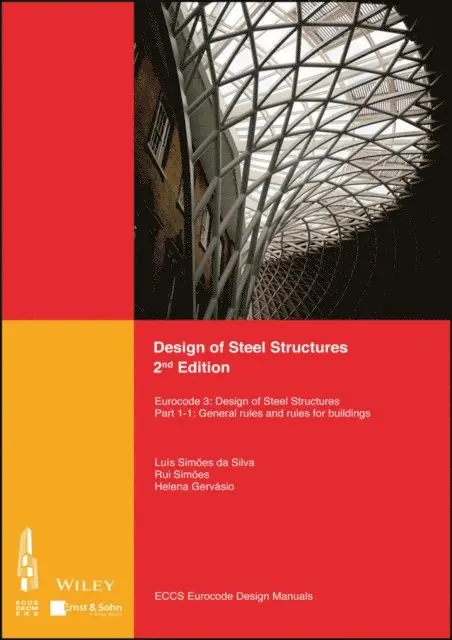
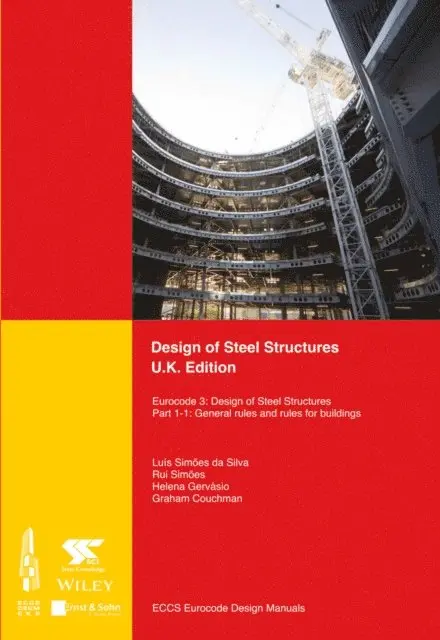
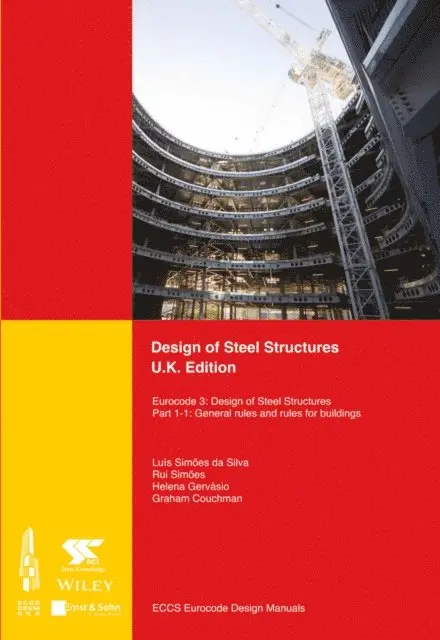
Following a discussion of the basis of design, including the limit state approach, the material standards and their use are detailed. The fundamentals of structural analysis and modeling are presented, followed by the design criteria and approaches for various types of structural members. The following chapters expand on the principles and applications of elastic and plastic design, each exemplified by the step-by-step design calculation of a braced steel-framed building and an industrial building, respectively.
Besides providing the necessary theoretical concepts for a good understanding, this manual intends to be a supporting tool for the use of practicing engineers. In order of this purpose, throughout the book, numerous worked examples are provided, concerning the analysis of steel structures and the design of elements under several types of actions. These examples will provide for a smooth transition from earlier national codes to the Eurocode.
868 kr
Läs direkt efter köp
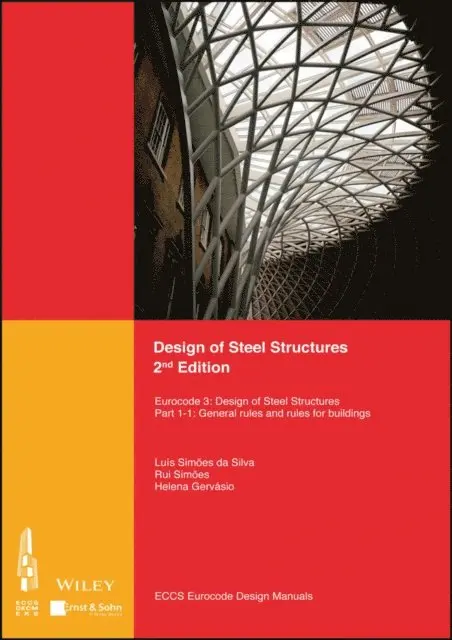
Following a discussion of the basis of design, including the limit state approach, the material standards and their use are detailed. The fundamentals of structural analysis and modeling are presented, followed by the design criteria and approaches for various types of structural members. The following chapters expand on the principles and applications of elastic and plastic design, each exemplified by the step-by-step design calculation of a braced steel-framed building and an industrial building, respectively.
Besides providing the necessary theoretical concepts for a good understanding, this manual intends to be a supporting tool for the use of practicing engineers. In order of this purpose, throughout the book, numerous worked examples are provided, concerning the analysis of steel structures and the design of elements under several types of actions. These examples will provide for a smooth transition from earlier national codes to the Eurocode.
789 kr
Läs direkt efter köp
825 kr
Läs direkt efter köp
819 kr
Läs direkt efter köp
734 kr
Läs direkt efter köp
734 kr
Läs direkt efter köp
729 kr
Läs direkt efter köp
734 kr
Läs direkt efter köp
729 kr
Tillfälligt slut