254 kr
Läs direkt efter köp
254 kr
Läs direkt efter köp
1 270 kr
Skickas inom 10-15 vardagar
315 kr
Skickas inom 10-15 vardagar
160 kr
Läs direkt efter köp
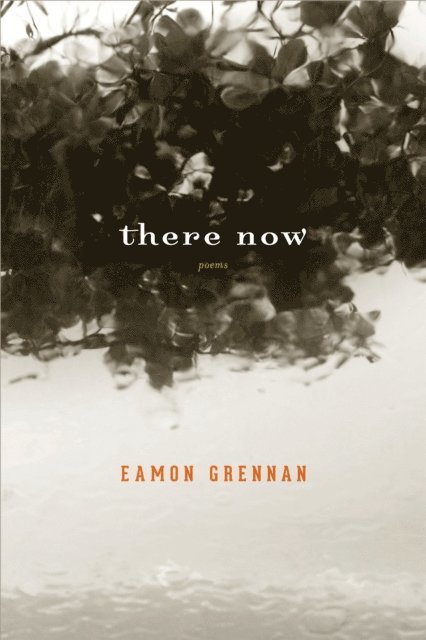
"Few poets are as generous as Eamon Grennan in the sheer volume of delight his poems convey." --Billy Collins . . . there goes the sudden shriek of the blackbird . . . all alive inside the inhumanbreath-pattern of the wind trawling every last leaf and blade of grass and flinging rain like velvet pebblesonto the skylight: nothing but parables in every bristling inch of the out-of-sight unspoken never-to-be-known puresense-startling untranslatable there of the world as we find it.--from "World Word"In these short poems full of patient listening, looking, and responding, Eamon Grennan presents a world of brilliantly excavated moments: watching a flight of oystercatchers off a Connemara strand or the laden stall of a fish market in Manhattan; listening to the silence in an empty room or the beat of his partner''s heart; pondering violence in the Middle East or the tenuous, endangered nature of even "the fairest / order in the world." Grennan''s philosophic gaze manages to allow the ordinary facts of life to take on their own luminous glow. It is the sort of light he finds in some of his favorite painters--Cézanne, Bonnard, Renoir, the Dutch masters--light that is inside things and drawn out to our attention. There Now is a celebration of the momentary recognition of transcendence, all the more precious for being momentary.
105 kr
Läs direkt efter köp
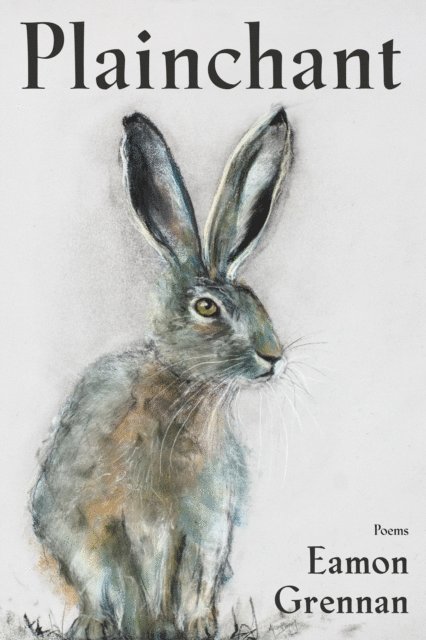
Grennan''s new collection shows again his powers of close, patient, plainspoken observation. Whether his gaze falls on the dash of a hare, dive of a gannet, heavy stillness of a rain-flecked cow, the song of a lark, or the scurry of an ant across a page of Celan, the poem that emerges is a celebration of the momentary fact, how a particular detail can, when sufficiently attended to, glow with the truth of its own unrepeatable self. Set mostly in the landscape of coastal Connemara, these poems can also bring to vivid life a painting by Bonnard, a family walk, a childhood memory, a chance encounter, a man scything a field, or a brief probing of the work of Beckett. Paying attention is this poet''s credo, coaxing his simple but layered, often interrogative language into revealing shapes. Grennan also chooses the repeated format of the poems themselves (justified right and left margins of different widths), aligning accident with design, choice with chance, to articulate his sense of the world as an energy poised dynamically between fact and form, between the time-anchored data of the world and the shaping rapture of art. These are poems that serve—through their intensely observed details and the rich, patient exactitudes of Grennan''s language—to sharpen our own habits of attention, renewing our sense of the often unnoticed worlds around us.