429 kr
Skickas inom 7-10 vardagar
429 kr
Skickas inom 7-10 vardagar
212 kr
Skickas inom 7-10 vardagar
305 kr
Skickas inom 7-10 vardagar
417 kr
Skickas inom 5-8 vardagar
668 kr
Skickas inom 10-15 vardagar
645 kr
Läs direkt efter köp
2 061 kr
Skickas inom 10-15 vardagar
415 kr
Kommande
710 kr
Skickas inom 10-15 vardagar
786 kr
Skickas inom 10-15 vardagar
2 721 kr
Skickas inom 10-15 vardagar
649 kr
Skickas inom 7-10 vardagar
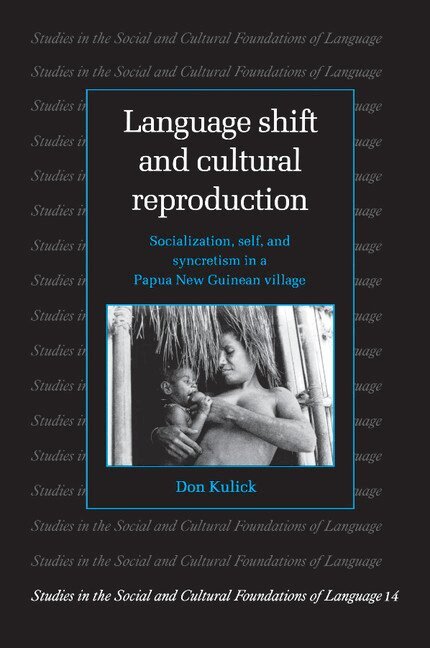
Socialization, Self and Syncretism in a Papua New Guinean Village
965 kr
Skickas inom 7-10 vardagar
1 341 kr
Skickas inom 7-10 vardagar
1 287 kr
Skickas inom 7-10 vardagar
651 kr
Läs direkt efter köp
1 072 kr
Kommande
2 590 kr
Skickas inom 10-15 vardagar
757 kr
Läs direkt efter köp
757 kr
Läs direkt efter köp
866 kr
Läs direkt efter köp
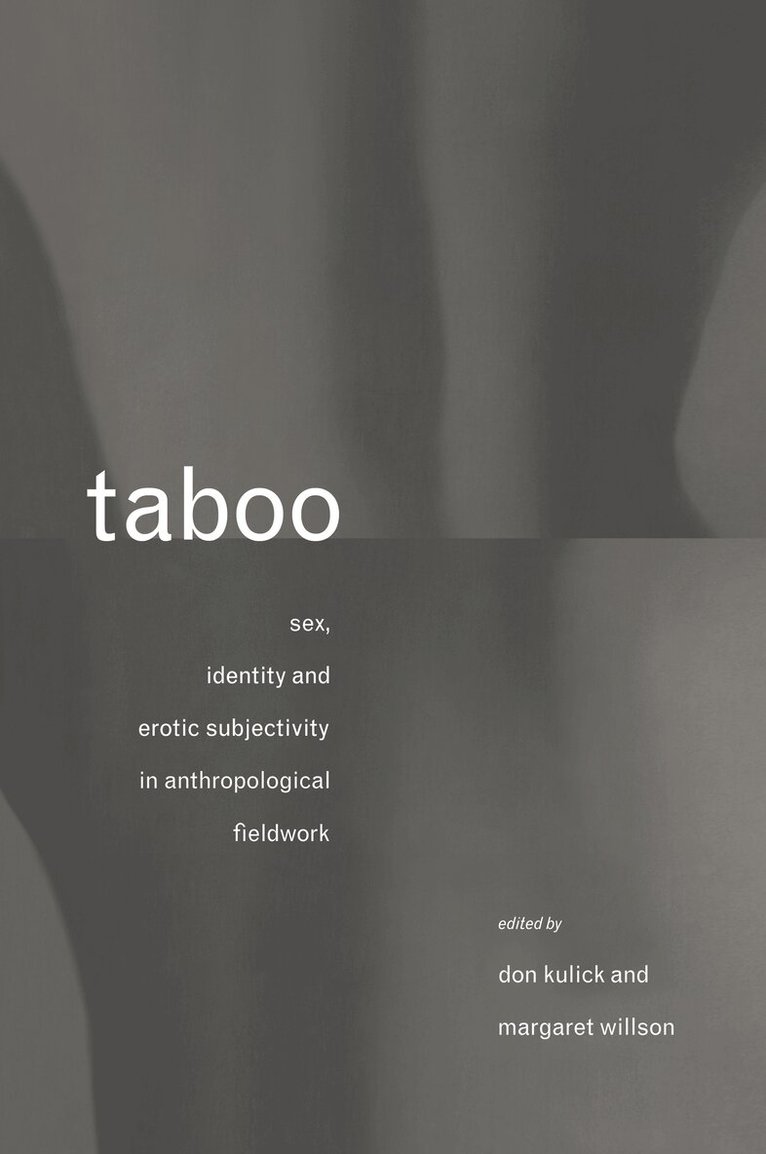
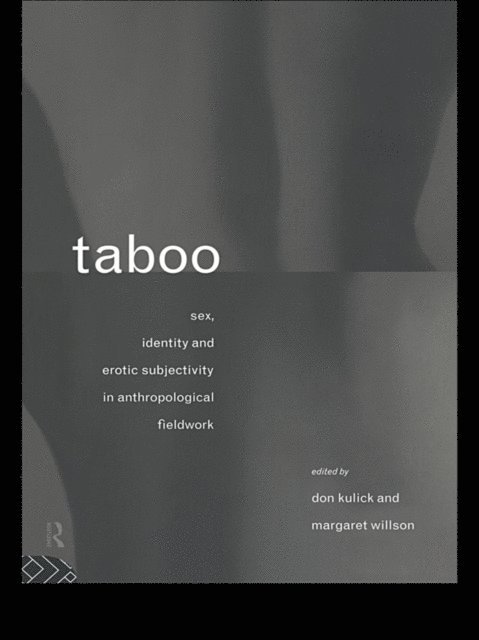
Taboo looks at the ethnographer and sexuality in anthropological fieldwork and considers the many roles that sexuality plays in the anthropological production of knowledge and texts. How does the sexual identity that anthropologists have in their "home" society affect the kind of sexuality they are allowed to express in other cultures? How is the anthropologists'' sexuality perceived by the people with whom he or she does research? How common is sexual violence and intimidation in the field and why is its existence virtually unmentioned in anthropology? These are but a few of the questions to be confronted, exploring from differing perspectives the depth of the influence this tabooed topic has on the entire practice and production of anthropology.A long-overdue text for all students and lecturers of anthropology, many post-fieldwork readers will find a resonance of issues they have previously faced (or tried to avoid) and those who are still to undertake fieldwork will find articles that refer to other kinds of personal and professional experience as well as providing invaluable preparations for coping in the field.
2 592 kr
Läs direkt efter köp
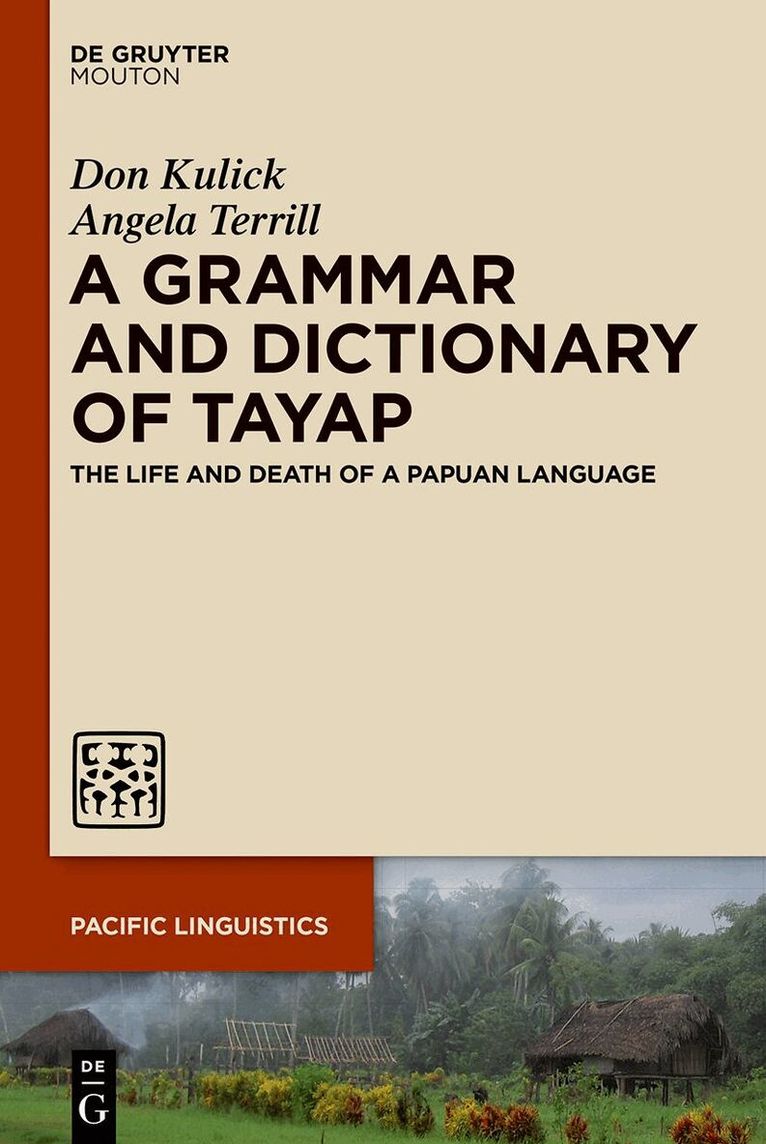
Tayap is a small, previously undocumented Papuan language, spoken in a single village called Gapun, in the lower Sepik River region of Papua New Guinea. The language is an isolate, unrelated to any other in the area. Furthermore, Tayap is dying. Fewer than fifty speakers actively command it today.
Based on linguistic anthropological work conducted over the course of thirty years, this book describes the grammar of the language, detailing its phonology, morphology and syntax. It devotes particular attention to verbs, which are the most elaborated area of the grammar, and which are complex, fusional and massively suppletive.The book also provides a full Tayap-English-Tok Pisin dictionary.
A particularly innovative contribution is the detailed discussions of how Tayap’''s grammar is dissolving in the language of young speakers. The book exemplifies how the complex structures in fluent speakers’ Tayap are reduced or reanalyzed by younger speakers.
This grammar and dictionary should therefore be a valuable resource for anyone interested in the mechanics of how languages disappear. The fact that it is the sole documentation of this unique Papuan language should also make it of interest to areal specialists and language typologists.
2 574 kr
Läs direkt efter köp
Tayap is a small, previously undocumented Papuan language, spoken in a single village called Gapun, in the lower Sepik River region of Papua New Guinea. The language is an isolate, unrelated to any other in the area. Furthermore, Tayap is dying. Fewer than fifty speakers actively command it today.
Based on linguistic anthropological work conducted over the course of thirty years, this book describes the grammar of the language, detailing its phonology, morphology and syntax. It devotes particular attention to verbs, which are the most elaborated area of the grammar, and which are complex, fusional and massively suppletive.The book also provides a full Tayap-English-Tok Pisin dictionary.
A particularly innovative contribution is the detailed discussions of how Tayap’''s grammar is dissolving in the language of young speakers. The book exemplifies how the complex structures in fluent speakers’ Tayap are reduced or reanalyzed by younger speakers.
This grammar and dictionary should therefore be a valuable resource for anyone interested in the mechanics of how languages disappear. The fact that it is the sole documentation of this unique Papuan language should also make it of interest to areal specialists and language typologists.
The Life and Death of a Papuan Language
2 566 kr
Skickas inom 7-10 vardagar
478 kr
Skickas inom 7-10 vardagar