Conflict is going to be a part of your life—as long as you have relationships, a job, or dry cleaning to be picked up. Bracing yourself against it won’t make it go away, but if you approach it consciously, you can navigate it in way that not only honors everyone involved but makes it a source of deep insight as well. Seasoned mediator Diane Hamilton provides the skill set you need to engage conflict with wisdom and compassion, and even—sometimes—to be grateful for it. She teaches us how to: • Cultivate the mirror-like quality of attention as your base • Identify three personal conflict styles and determine which ones you fall into • Recognize the three fundamental perspectives in any conflict situation and learn to inhabit each of them • Turn conflicts in families, at work, and in every kind of interpersonal situation into win-win situations Her unique approach unites Zen wisdom and Integral Spirituality with her own story and her experiences as a professional mediator in a way that shows you how to look at conflict in a new way: as an essentially spiritual practice.
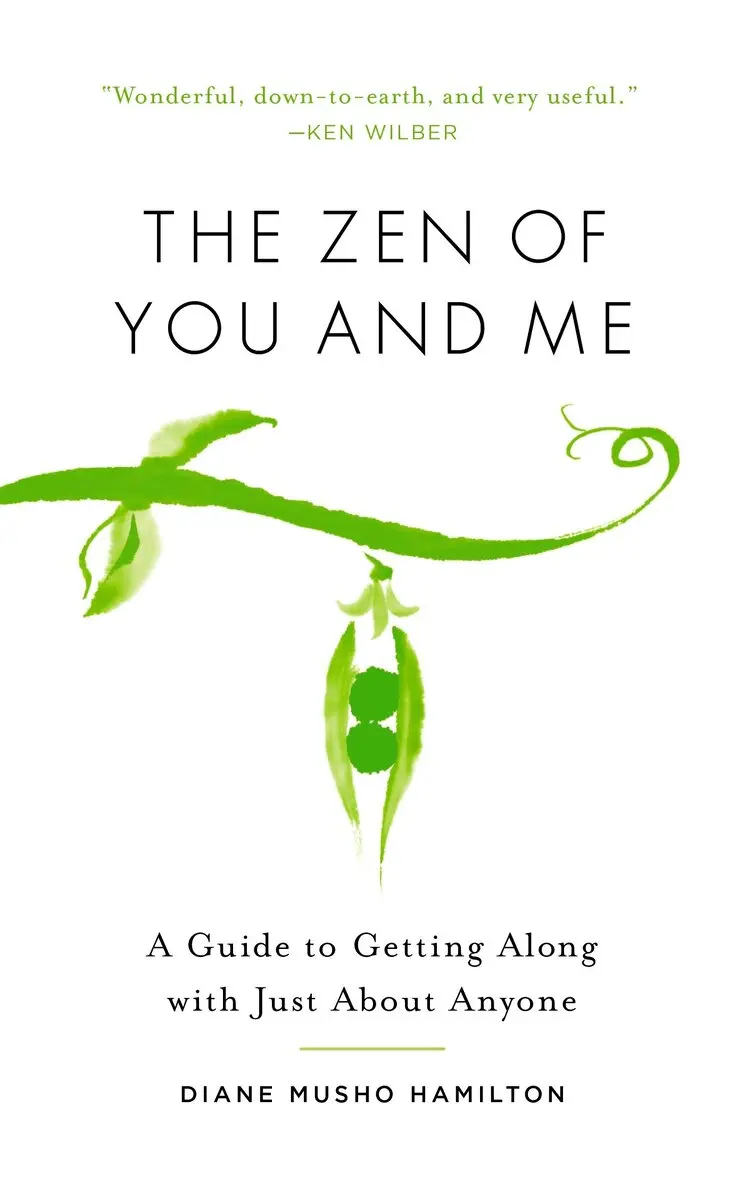
How to deal with interpersonal conflict--from a Zen perspective.The people who get under your skin the most can in fact be your greatest teachers. It’s not a matter of overlooking differences, as is often taught, but of regarding those difficult aspects of the relationship with curiosity and compassion--for those very differences offer a path to profound connection. Diane Hamilton’s practical, reality-based guide to living harmoniously with even your most irritating fellow humans—spouses, partners, colleagues, parents, children--shows that “getting along” is really a matter of discovering that our differences are nothing other than an expression of our even deeper shared unity.
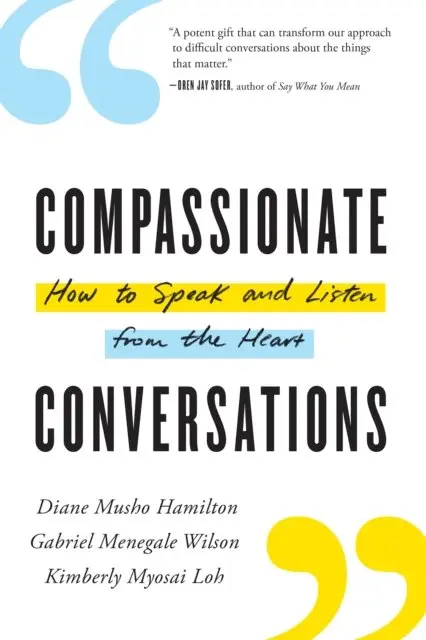
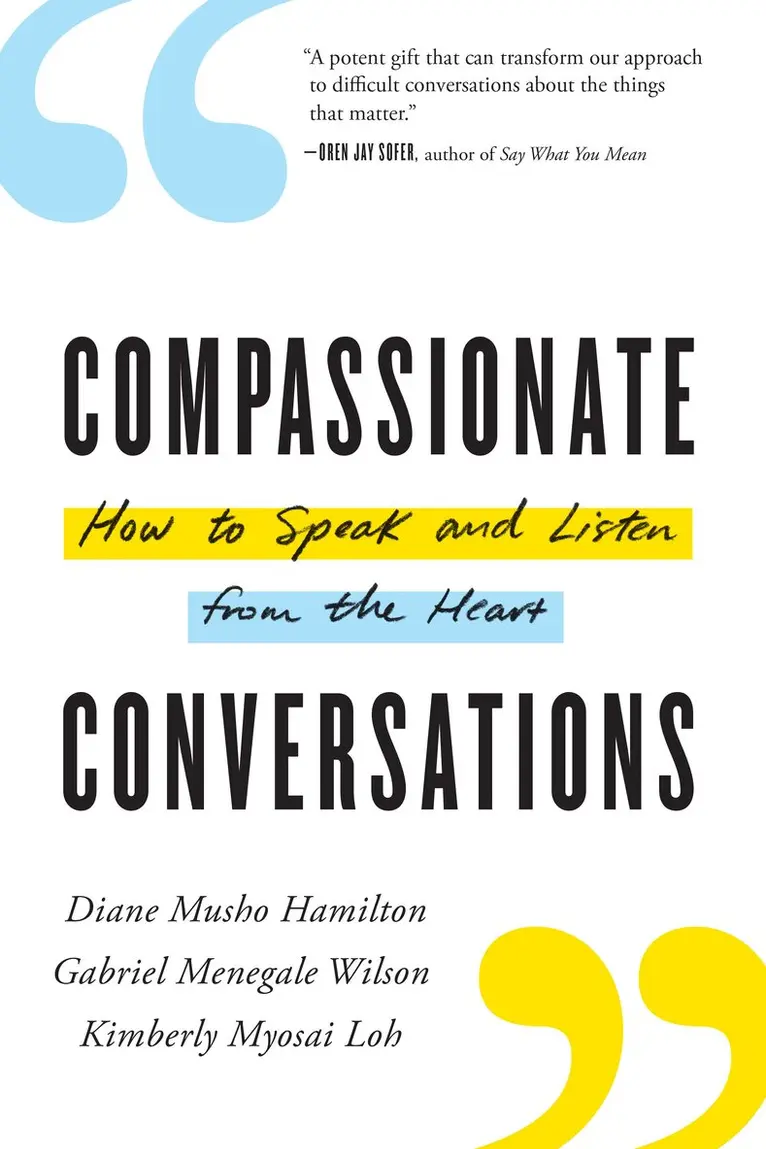
The definitive guide to learning effective skills for engaging in open and honest conversations about divisive issues from three professional mediators.When a conversation takes a turn into the sometimes uncomfortable and often contentious topics of race, religion, gender, sexuality, and politics, it can be difficult to know what to say or how to respond to someone you disagree with. Compassionate Conversations empowers us to transform these conversations into opportunities to bridge divides and mend relationships by providing the basic set of conflict resolution skills we need to be successful, including listening, reframing, and dealing with strong emotions. Addressing the long history of injury and pain for marginalized groups, the authors explore topics like social privilege, power dynamics, and, political correctness allowing us to be more mindful in our conversations. Each chapter contains practices and reflection questions to help readers feel more prepared to talk through polarizing issues, ultimately encouraging us to take risks, to understand and recognize our deep commonalities, to be willing to make mistakes, and to become more intimate with expressing our truths, as well as listening to those of others.
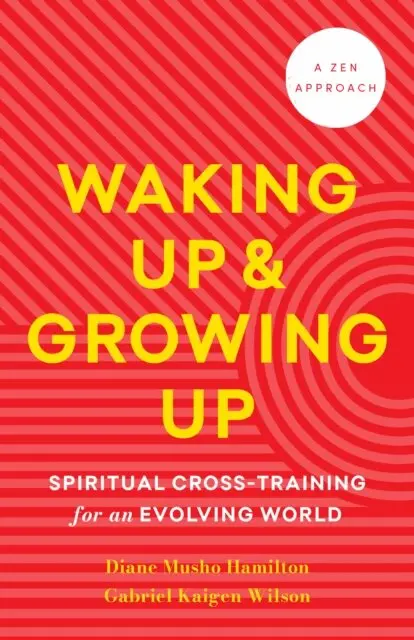
A fresh, nuanced view of Zen integrates relational and emotional skill-building with traditional practices in a spiritual “cross-training” approach suited for the unique demands of modern life.This compelling and innovative view of Zen practice gives people in their 20s and 30s a contemporary approach to spiritual development that is meaningful and actionable within the complexities of modern life. Grounded deeply in the tradition of Soto Zen, professional mediators and Zen practitioners Diane Hamilton and Gabriel Wilson extol the virtues of sitting meditation, dharma study, and the student-teacher relationship. At the same time, they offer insight into the importance of emotional development and the maturation of relationship skills. This approach draws on insights from Integral psychology as taught by philosopher Ken Wilber, neurophysiology, trauma work, adult development, and teachings of the Zen masters to:develop interpersonal communication skills; blend the spiritual path with the realities of contemporary life; learn how to navigate issues of inclusivity and diversity; explore issues of identity; train our power of attention rather than get caught up in social media, division, and crisis; mature our emotional and relational skills; and much more. Complete with practices, exercises, and reflections in each chapter, this book offers an accessible, insightful approach to becoming more personally effective, compassionate, and spiritually awake.
Este libro ofrece una mirada renovada al camino zen: una vía de práctica espiritual que, sin renunciar a su profundidad, se adapta a los retos emocionales y relacionales de nuestro tiempo.Diane Musho Hamilton y Gabriel Kaigen Wilson integran la meditación, el estudio del Dharma y la relación maestro-discípulo con herramientas de la psicología integral, la neurociencia y el trabajo con el trauma. El resultado es una guía lúcida y práctica para cultivar la atención, la compasión y la eficacia en la vida diaria.Con ejercicios, ejemplos y reflexiones, Despierta y crece nos enseña a transformar las dificultades en oportunidades de crecimiento, a comunicarnos con más conciencia y a vivir con un corazón abierto en medio de la complejidad del mundo moderno.