
Häftad, Engelska, 2026
461 kr
Skickas inom 7-10 vardagar
461 kr
Skickas inom 7-10 vardagar
124 kr
Läs direkt efter köp
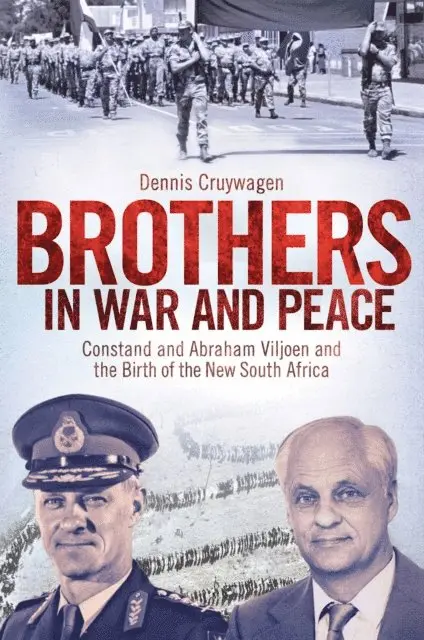
Abraham and Constand Viljoen were identical twins who took starkly different paths in life. One was a deeply religious man, who opposed apartheid; the other was a man of war, who became head of the SADF. But together they would play a crucial role in preventing South Africa from descending into civil war. In the early 1990s, Constand came out of retirement to head the Afrikaner Volksfront, which opposed the negotiations with the ANC and made plans for military action. Realising that war would destroy their country, Abraham approached his estranged brother and urged him to consider the alternative: talks with the ANC. What followed was a series of secret meetings and negotiations that ultimately prevented civil war. Brothers in War and Peace documents the crucial yet largely unheralded role the Viljoen brothers played in ensuring peace in South Africa. Based on interviews with the brothers and other key political figures, the book gives new insights into a time when the country’s future was on a knife-edge.
126 kr
Läs direkt efter köp
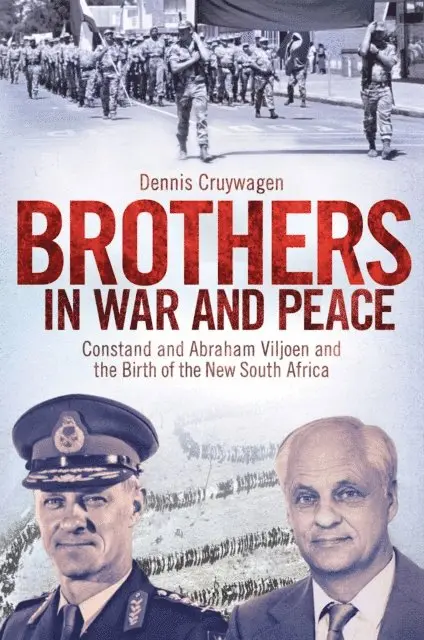
Abraham and Constand Viljoen were identical twins who took starkly different paths in life. One was a deeply religious man, who opposed apartheid; the other was a man of war, who became head of the SADF. But together they would play a crucial role in preventing South Africa from descending into civil war. In the early 1990s, Constand came out of retirement to head the Afrikaner Volksfront, which opposed the negotiations with the ANC and made plans for military action. Realising that war would destroy their country, Abraham approached his estranged brother and urged him to consider the alternative: talks with the ANC. What followed was a series of secret meetings and negotiations that ultimately prevented civil war. Brothers in War and Peace documents the crucial yet largely unheralded role the Viljoen brothers played in ensuring peace in South Africa. Based on interviews with the brothers and other key political figures, the book gives new insights into a time when the country’s future was on a knife-edge.
112 kr
Läs direkt efter köp
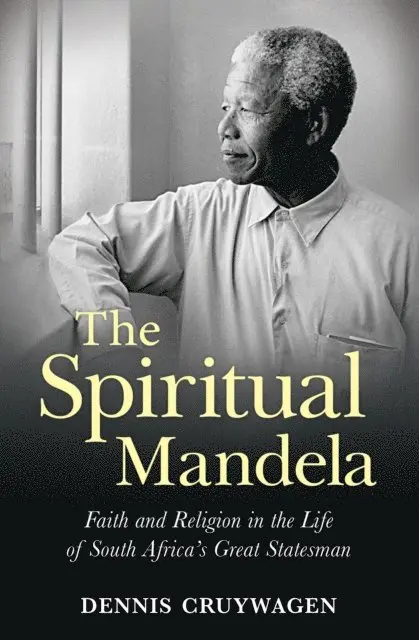
Nelson Mandela revealed nothing about his personal religious beliefs in his writings or in his public pronouncements. But those who were close to him know that he held Christian views, and, at his request, the final part of his funeral followed the Methodist service. This book traces the spiritual aspect of Mandela’s life, from his youth in a traditional Thembu village, to his education at Wesleyan and Methodist mission schools, to his time as an activist, his period on Robben Island and the years thereafter. It explores the way that he balanced Christianity with traditional African beliefs, and with his political views, and how he reconciled his own beliefs with the fact that religion had often been used as a tool to oppress his people. Based on interviews with some of Mandela’s close colleagues, such as Ahmed Kathrada, as well as priests and other religious figures with whom he interacted, this book unearths an unknown dimension of recent history's most famous man.