Although virtual worlds continue to grow in popularity, a substantial amount of research is needed to determine best practices in virtual spaces. The artistic community is one field where virtual worlds can be utilized to the greatest effect. New Opportunities for Artistic Practice in Virtual Worlds provides a coherent account of artistic practices in virtual worlds and considers the contribution the Second Life platform has made in a historical, theoretical, and critical context within the fields of art and technology. This volume is intended for both artists and scholars in the areas of digital art, art and technology, media arts history, virtual worlds, and games studies, as well as a broader academic audience who are interested in the philosophical implications of virtual spaces.
Although virtual worlds continue to grow in popularity, a substantial amount of research is needed to determine best practices in virtual spaces. The artistic community is one field where virtual worlds can be utilized to the greatest effect. New Opportunities for Artistic Practice in Virtual Worlds provides a coherent account of artistic practices in virtual worlds and considers the contribution the Second Life platform has made in a historical, theoretical, and critical context within the fields of art and technology. This volume is intended for both artists and scholars in the areas of digital art, art and technology, media arts history, virtual worlds, and games studies, as well as a broader academic audience who are interested in the philosophical implications of virtual spaces.
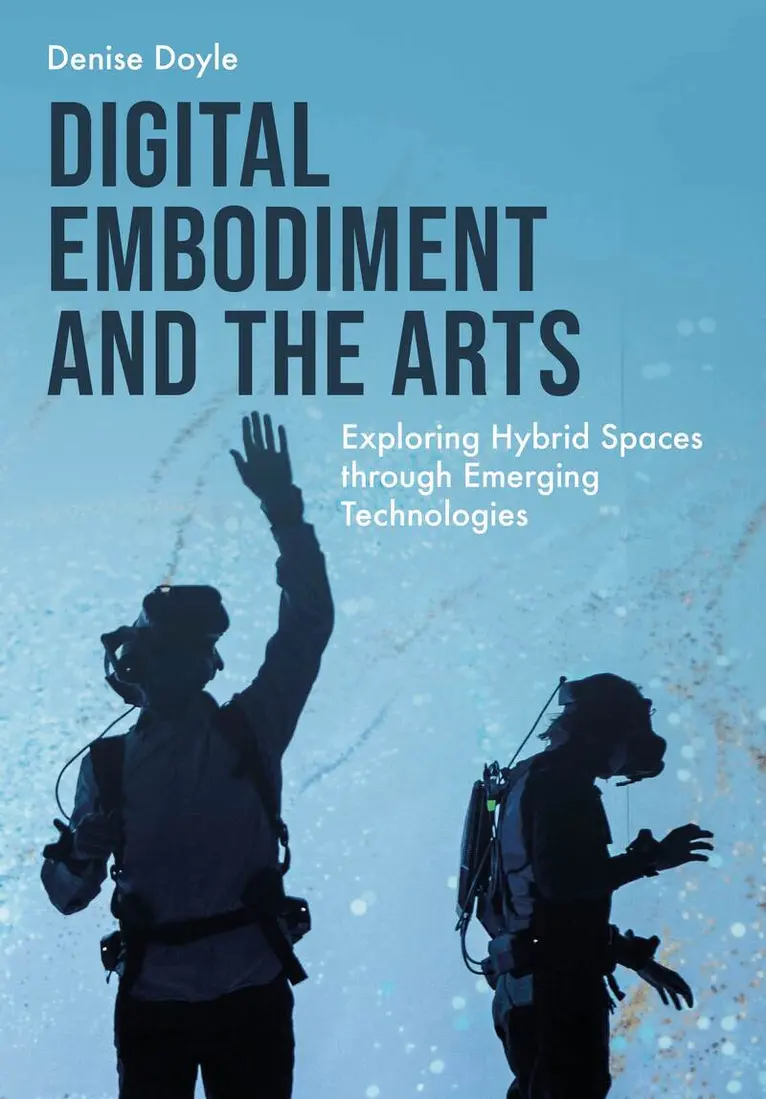
A timely examination of the use of emerging technologies in the arts in recent decades, from the first wave of Virtual Reality through to the current use of Mixed, Augmented and Extended Realities. It highlights the necessity of understanding technological experiences through the assumption that all experience is embodied. An explosion of digital culture and experience has most certainly given artists and creative practitioners new ways of exploring a hybridisation of creative practices with access to technological tools only previously dreamt of. Further, there are a number of threads around digital embodiment and its centrality to the digital experience.The book is divided into 3: Section 1 explores the whole notion of embodied experience through a study of space and virtuality, imagination, and technology. Section 2 lays the ground for a more explicit understanding of the role the body has in our engagement with the digital technologies focussing on three distinct bodies: the gravitational body, the virtual body, and finally the hybrid body. Section 3 is split into three chronological chapters in terms of technological developments, that of VR, Virtual Worlds, and Augmented, Mixed, and Extended Realities.While individual aspects and themes covered here can be found in some recent books, there is little that places digital embodiment within the arts in the way this book does. A unique synthesis.
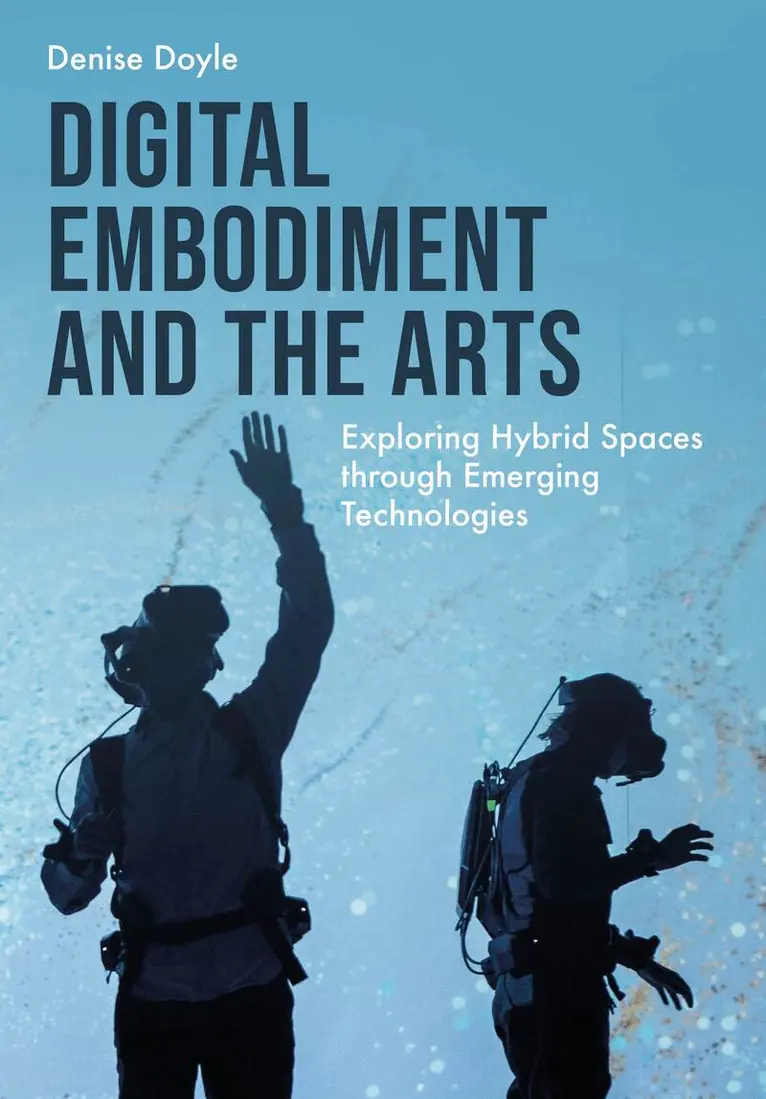
A timely examination of the use of emerging technologies in the arts in recent decades, from the first wave of Virtual Reality through to the current use of Mixed, Augmented and Extended Realities. It highlights the necessity of understanding technological experiences through the assumption that all experience is embodied. An explosion of digital culture and experience has most certainly given artists and creative practitioners new ways of exploring a hybridisation of creative practices with access to technological tools only previously dreamt of. Further, there are a number of threads around digital embodiment and its centrality to the digital experience.The book is divided into 3: Section 1 explores the whole notion of embodied experience through a study of space and virtuality, imagination, and technology. Section 2 lays the ground for a more explicit understanding of the role the body has in our engagement with the digital technologies focussing on three distinct bodies: the gravitational body, the virtual body, and finally the hybrid body. Section 3 is split into three chronological chapters in terms of technological developments, that of VR, Virtual Worlds, and Augmented, Mixed, and Extended Realities.While individual aspects and themes covered here can be found in some recent books, there is little that places digital embodiment within the arts in the way this book does. A unique synthesis.