386 kr
Läs direkt efter köp
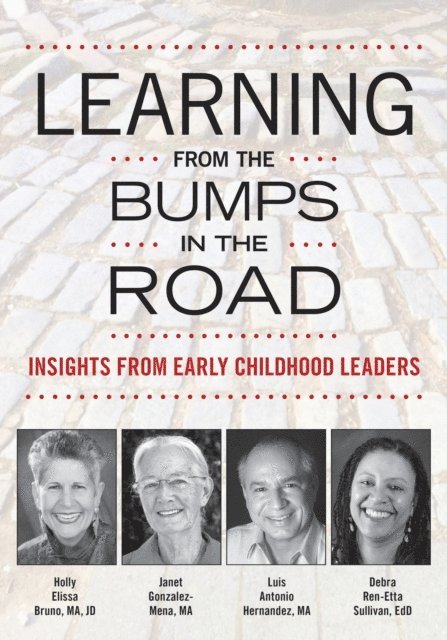
Holly Elissa Bruno, MA, JD; Janet Gonzalez-Mena, MA; Luis Antonio Hernandez, MA; and Debra Ren-Etta Sullivan, EdD, are acclaimed keynote speakers, authors, and experts on a variety of topics in early childhood.
386 kr
Läs direkt efter köp
Holly Elissa Bruno, MA, JD; Janet Gonzalez-Mena, MA; Luis Antonio Hernandez, MA; and Debra Ren-Etta Sullivan, EdD, are acclaimed keynote speakers, authors, and experts on a variety of topics in early childhood.

323 kr
Skickas inom 7-10 vardagar
333 kr
Läs direkt efter köp
There has been much attention given to the achievement gap between white and minority students, especially African American children. Through research and years of experience, the author breaks down the cultural influences on children''s learning styles and provides a practical approach to helping black children thrive in the classroom.
For black children, which Sullivan defines as those of African descent, there is a disconnect between learning preferences and learning environments that must be bridged before the achievement gap can be closed. This hands-on resource is filled with effective strategies and best practices to help early childhood educators expand their "toolbox" for supporting children.
Increasing cultural intelligence will allow us to work across the many differences in our classrooms. As our schools become more diverse, cultural competency will be an increasingly important skill for teacher''s efficacy and children''s success. By cultivating the individual genius of each child and meeting children where they are today, we can invigorate the education system and provide children high-quality early education experiences.
Debra Ren-Etta Sullivan, EdD, is the cofounder and president of Praxis Institute for Early Childhood Education. She has more than twenty-five years of experience in higher education as a teacher, researcher, and administrator.
217 kr
Skickas inom 7-10 vardagar
Working with children requires you to be an adaptable leader and teacher, no matter the setting. Learning to Lead helps early childhood professionals at any level cultivate their leadership potential and skills with an introduction to leadership theory and practice, including definitions of the functions and styles of leadership and examinations of the roles of empowerment, followership, and advocacy in the leadership process.
Use your knowledge of child development to transfer your natural skills to a range of leadership situations. Each chapter is built around a combination of theories, examples, and reflection questions, concluding with a vignette and references for further study. The third edition includes:
Updated and expanded material on working with children in a culturally diverse community while addressing the racial and social injustice and inequity in society Updated and expanded material on how bias, prejudice, discrimination, oppression, and inequity intersect with cultural differences and diversity Updated resources for further reading A new chapter on how to create a leadership and advocacy plan based on topics, reflections, and questions in from the book, to help you take on a leadership role in your program.