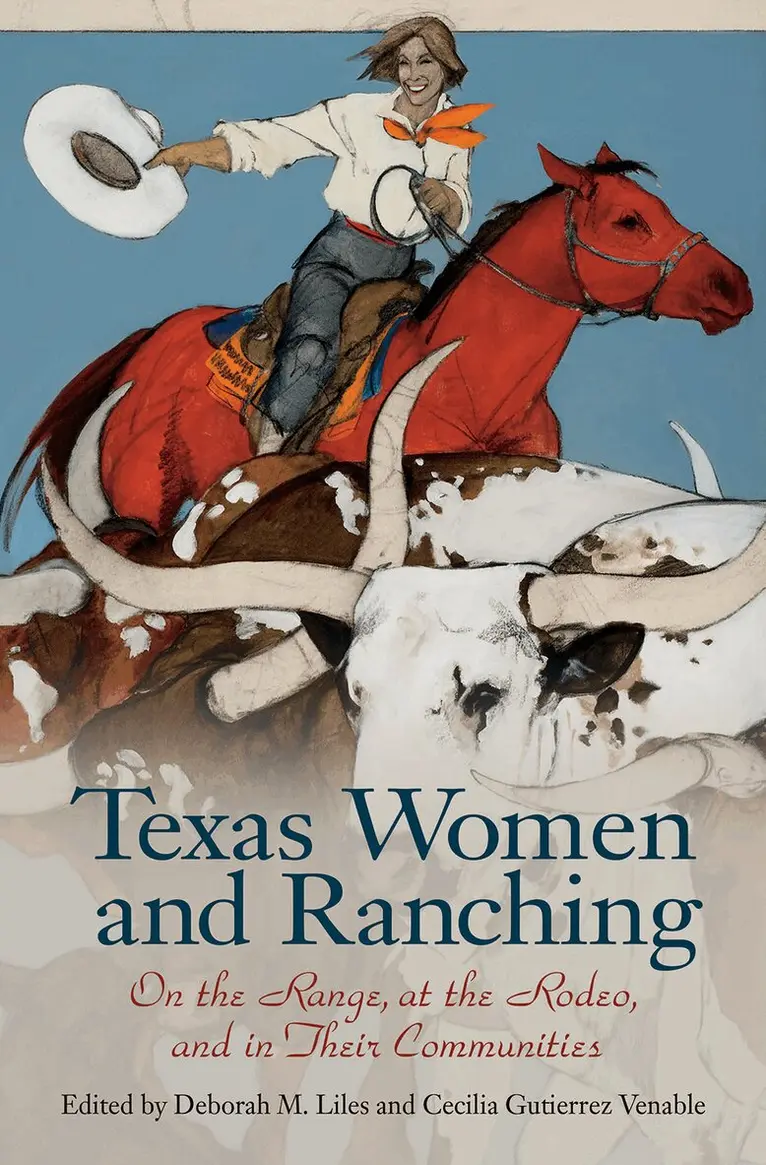
The realm of ranching history has long been dominated by men, from tales—tall or true—of cowboys and cattlemen, to a century's worth of male writers and historians who have been the primary chroniclers of Texas history. As women's history has increasingly gained a foothold not only as a field worthy of study but as a bold and innovative way of understanding the past, new generations of scholars are rethinking the once-familiar settings of the past. In doing so, they reveal that women not only exercised agency in otherwise constrained environments but were also integral to the ranching heritage that so many Texans hold dear.Texas Women and Ranching: On the Range, at the Rodeo, and in Their Communities explores a variety of roles women played on the western ranch. The essays here cover a range of topics, from early Tejana businesswomen and Anglo philanthropists to rodeos and fence-cutting range wars. The names of some of the women featured may be familiar to those who know Texas ranching history—Alice East and Frances Kallison, for example. Others came from less well-known or wealthy families. In every case, they proved themselves to be resourceful women and unique individuals who survived by their own wits in cattle country.This book is a major contribution to several fields—Texas history, western history, and women's history—that are, at last, beginning to converge.
Bruce A. Glasrud and Deborah M. Liles have gathered over thirty years of scholarship—articles, book excerpts, and new, original essays—to offer for the first time an overview of the history of African Americans in Central Texas. From slavery and agriculture in the nineteenth century to entrepreneurship and the struggle for civil rights in the twentieth century, African Americans in Central Texas History: From Slavery to Civil Rights fills in the critical missing pieces of an often-overlooked region in the state's history.African Americans first entered Central Texas with Spanish explorers, but few remained. White slave holders later brought black residents—as slaves—to this region. With the end of the Civil War, slavery may have ended but the brutalities of racial prejudice persisted. During Reconstruction, new attempts to ensure civil and political rights were resisted through terror, racial violence, and systemic denial of justice.Well into the twentieth century, segregation persisted, but years of individual and mobilized protest finally led to significant reform. Organizations such as the NAACP provided vital support. Before efforts to disenfranchise the black vote became successful, some politicians even courted black voters to further their own political agendas.African Americans in Central Texas History is a rare source that sheds light on the African American experience in the heart of the state.
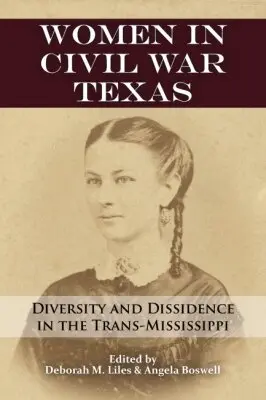
Women in Civil War Texas is the first book dedicated to the unique experiences of Texas women during this time. It connects Texas women’s lives to southern women’s history and shares the diversity of experiences of women in Texas during the Civil War.Contributors explore Texas women and their vocal support for secession, coping with their husbands’ wartime absences, the importance of letter-writing, and how pro-Union sentiment caused serious difficulties for women. They also analyze the effects of ethnicity, focusing on African American, German, and Tejana women’s experiences. Finally, two essays examine the problem of refugee women in east Texas and the dangers facing western frontier women.