363 kr
Skickas inom 10-15 vardagar
363 kr
Skickas inom 10-15 vardagar
430 kr
Läs direkt efter köp
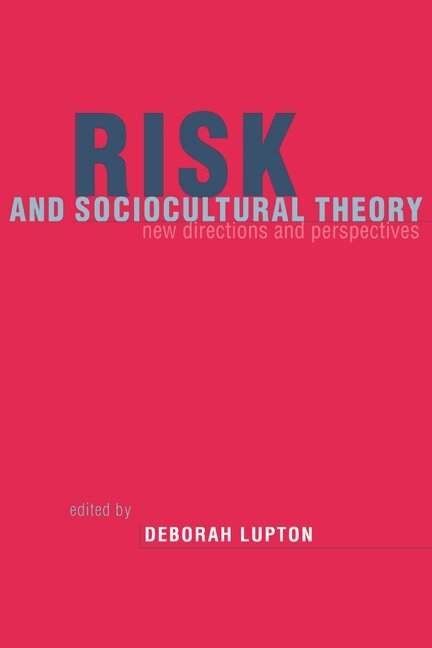
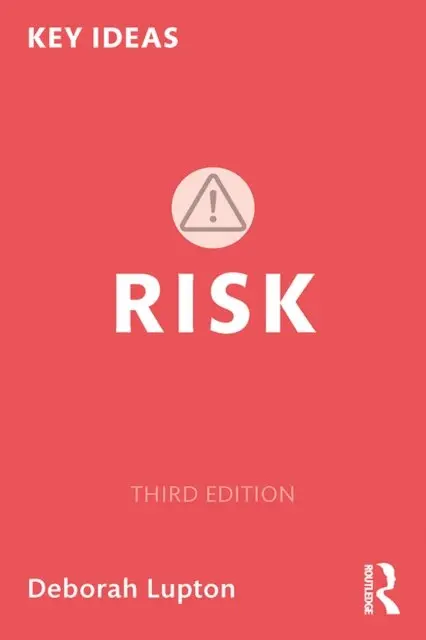
We are living in a world in which the existence of risk is constantly debated, misinformation and disinformation are rife and spread quickly and easily through online media, and where governments and institutions continue to avoid taking decisive action even when there is general agreement that a serious threat exists. Understanding how people, social groups and social organizations understand, respond to and act on threats, hazards and dangers is more important than ever. In Risk, Deborah Lupton asserts the ongoing importance of the analysis of risk in our age of permacrisis and mounting scepticism about experts and science, calling for a ‘re-turn’ to risk theory in the social sciences.
The book outlines the three major approaches to risk in social and cultural theory, devoting a chapter to each. The first approach draws upon the work of Mary Douglas to articulate the cultural/symbolic perspective on risk. The second approach is that of the risk society perspective, based on the writings of Ulrich Beck and Anthony Giddens. The third approach covered is that of the governmentality perspective, which builds on Michel Foucault’s work. Three other chapters examine in detail the relationship between concepts of risk and concepts of selfhood and the body, the notion of Otherness and how this influences the ways in which people respond to and think about risk, and the pleasures of voluntary risk-taking, including discussion of edgework. An entirely new chapter has been added to this edition, focusing on the risks posed by misinformation and denial in the context of climate change and the COVID-19 pandemic. This chapter discusses the politics of post-truth cultures and the powerful networks of actor and organizations that together work to challenge science and manufacture dissent against attempts to tackle these crises.
This new edition of Risk is an essential introduction to the topic of risk for students and academics in the social sciences and humanities.
433 kr
Läs direkt efter köp
We are living in a world in which the existence of risk is constantly debated, misinformation and disinformation are rife and spread quickly and easily through online media, and where governments and institutions continue to avoid taking decisive action even when there is general agreement that a serious threat exists. Understanding how people, social groups and social organizations understand, respond to and act on threats, hazards and dangers is more important than ever. In Risk, Deborah Lupton asserts the ongoing importance of the analysis of risk in our age of permacrisis and mounting scepticism about experts and science, calling for a ‘re-turn’ to risk theory in the social sciences.
The book outlines the three major approaches to risk in social and cultural theory, devoting a chapter to each. The first approach draws upon the work of Mary Douglas to articulate the cultural/symbolic perspective on risk. The second approach is that of the risk society perspective, based on the writings of Ulrich Beck and Anthony Giddens. The third approach covered is that of the governmentality perspective, which builds on Michel Foucault’s work. Three other chapters examine in detail the relationship between concepts of risk and concepts of selfhood and the body, the notion of Otherness and how this influences the ways in which people respond to and think about risk, and the pleasures of voluntary risk-taking, including discussion of edgework. An entirely new chapter has been added to this edition, focusing on the risks posed by misinformation and denial in the context of climate change and the COVID-19 pandemic. This chapter discusses the politics of post-truth cultures and the powerful networks of actor and organizations that together work to challenge science and manufacture dissent against attempts to tackle these crises.
This new edition of Risk is an essential introduction to the topic of risk for students and academics in the social sciences and humanities.
784 kr
753 kr
Skickas inom 10-15 vardagar
716 kr
Skickas inom 10-15 vardagar
2 601 kr
Skickas inom 10-15 vardagar
671 kr
Skickas inom 10-15 vardagar
2 601 kr
Skickas inom 10-15 vardagar
626 kr
Skickas inom 10-15 vardagar
637 kr
Skickas inom 10-15 vardagar
2 526 kr
Skickas inom 10-15 vardagar
641 kr
Läs direkt efter köp
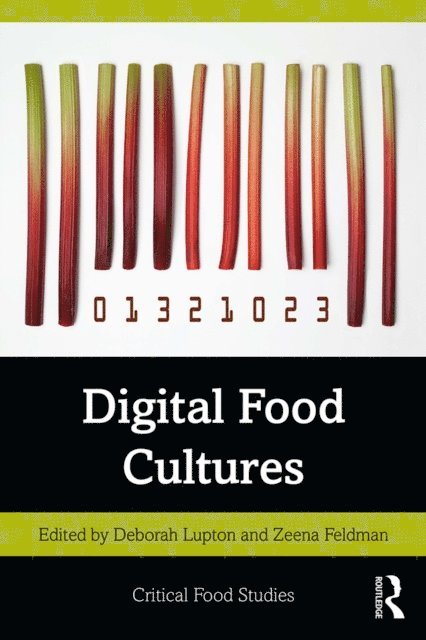
This book explores the interrelations between food, technology and knowledge-sharing practices in producing digital food cultures.
Digital Food Cultures adopts an innovative approach to examine representations and practices related to food across a variety of digital media: blogs and vlogs (video blogs), Facebook, Instagram, YouTube, technology developers’ promotional media, online discussion forums and self-tracking apps and devices. The book emphasises the diversity of food cultures available on the internet and other digital media, from those celebrating unrestrained indulgence in food to those advocating very specialised diets requiring intense commitment and focus. While most of the digital media and devices discussed in the book are available and used by people across the world, the authors offer valuable insights into how these global technologies are incorporated into everyday lives in very specific geographical contexts.
This book offers a novel contribution to the rapidly emerging area of digital food studies and provides a framework for understanding contemporary practices related to food production and consumption internationally.
627 kr
Läs direkt efter köp
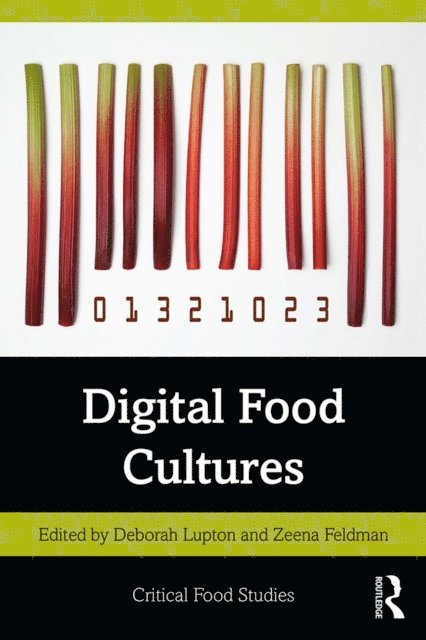
This book explores the interrelations between food, technology and knowledge-sharing practices in producing digital food cultures.
Digital Food Cultures adopts an innovative approach to examine representations and practices related to food across a variety of digital media: blogs and vlogs (video blogs), Facebook, Instagram, YouTube, technology developers’ promotional media, online discussion forums and self-tracking apps and devices. The book emphasises the diversity of food cultures available on the internet and other digital media, from those celebrating unrestrained indulgence in food to those advocating very specialised diets requiring intense commitment and focus. While most of the digital media and devices discussed in the book are available and used by people across the world, the authors offer valuable insights into how these global technologies are incorporated into everyday lives in very specific geographical contexts.
This book offers a novel contribution to the rapidly emerging area of digital food studies and provides a framework for understanding contemporary practices related to food production and consumption internationally.
1 628 kr
Skickas inom 7-10 vardagar
711 kr
Skickas inom 7-10 vardagar
852 kr
Skickas inom 10-15 vardagar
3 008 kr
Skickas inom 3-6 vardagar
1 720 kr
Skickas inom 3-6 vardagar
3 176 kr
Skickas inom 3-6 vardagar
1 955 kr
Skickas inom 3-6 vardagar
1 986 kr
Skickas inom 3-6 vardagar
1 955 kr
Skickas inom 3-6 vardagar
1 764 kr
Skickas inom 3-6 vardagar
3 408 kr
Skickas inom 3-6 vardagar
2 042 kr
Skickas inom 3-6 vardagar
779 kr
Läs direkt efter köp
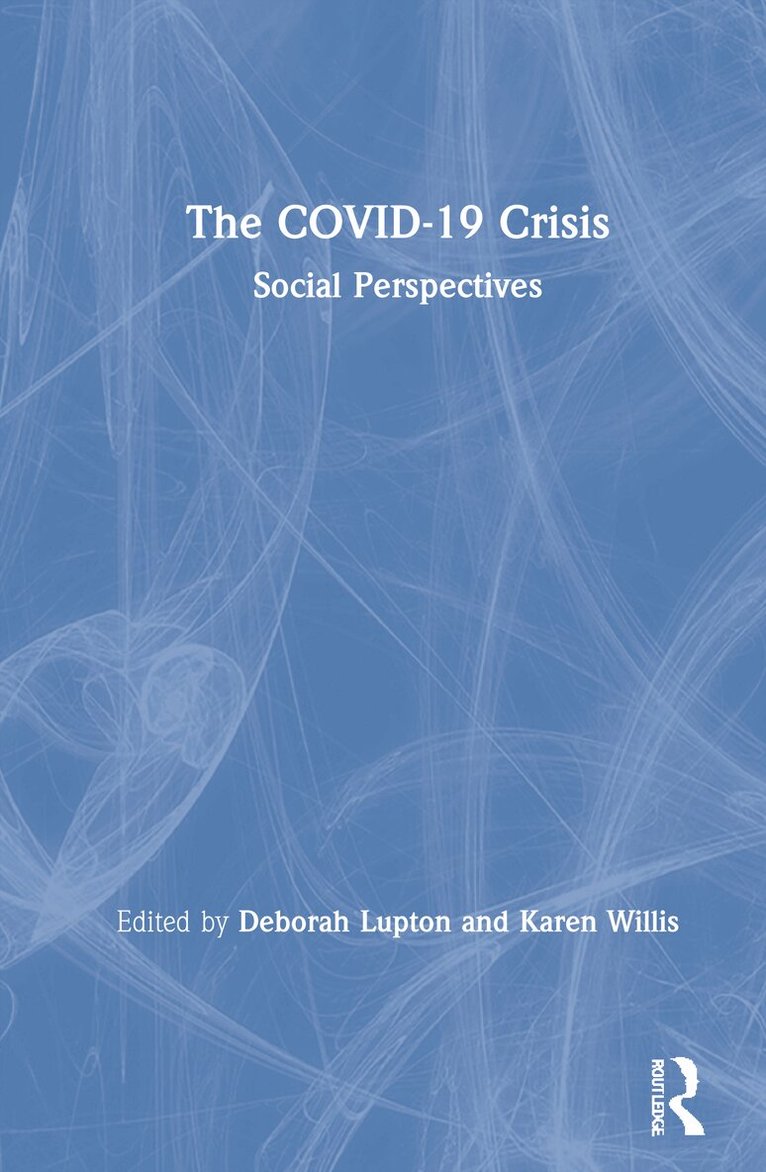
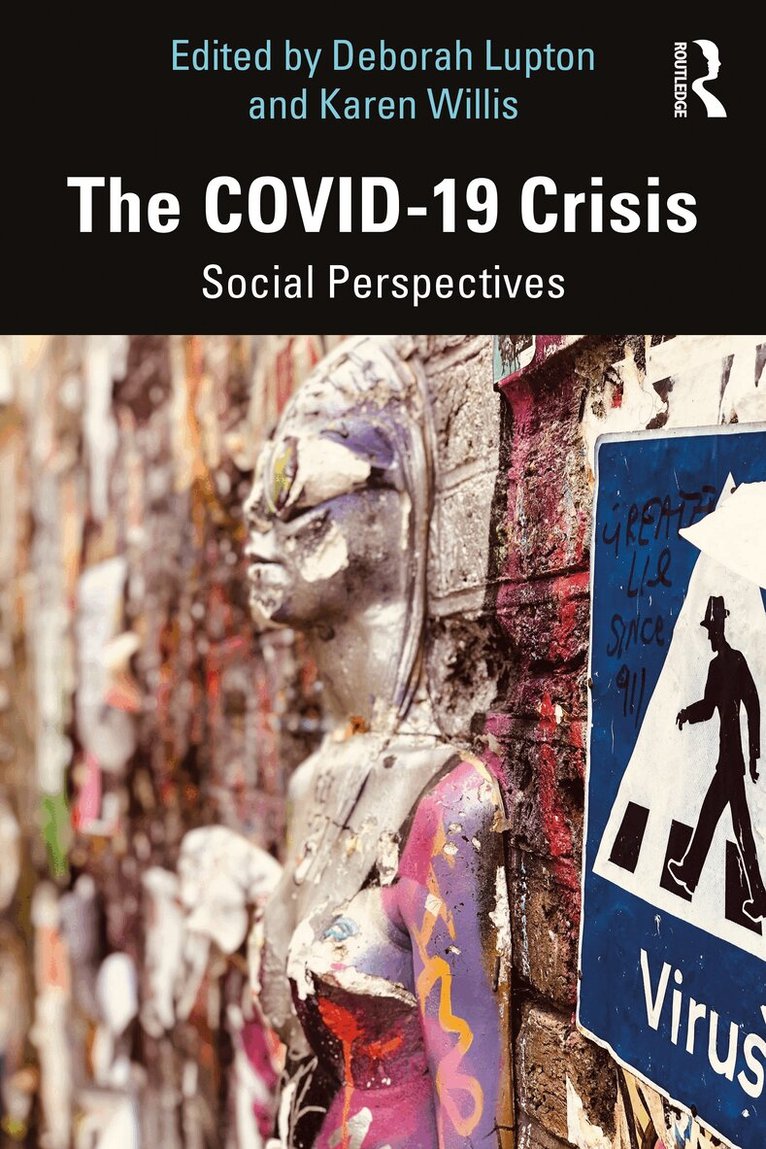
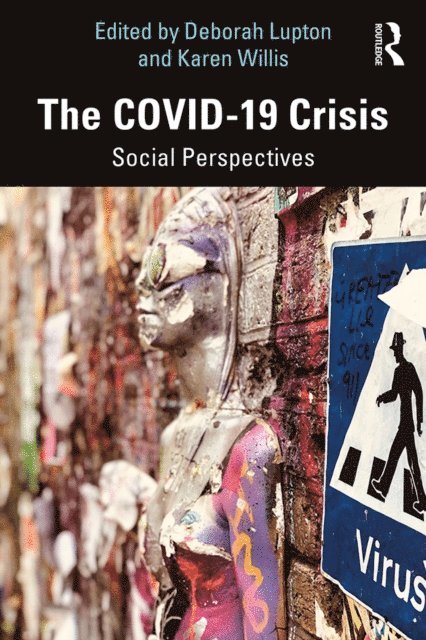
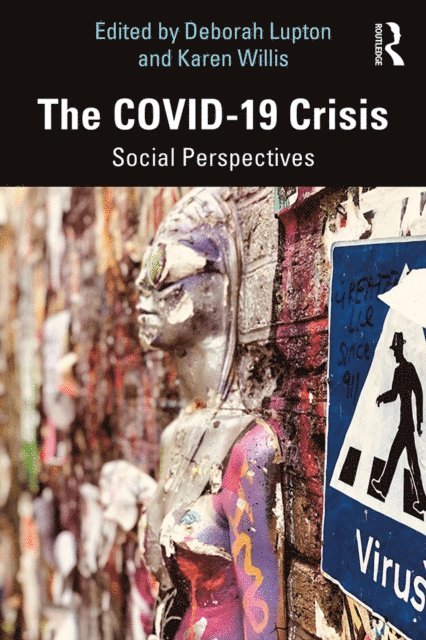
Since its emergence in early 2020, the COVID-19 crisis has affected every part of the world. Well beyond its health effects, the pandemic has wrought major changes in people’s everyday lives as they confront restrictions imposed by physical distancing and consequences such as loss of work, working or learning from home and reduced contact with family and friends.
This edited collection covers a diverse range of experiences, practices and representations across international contexts and cultures (UK, Europe, North America, South Africa, Australia and New Zealand). Together, these contributions offer a rich account of COVID society. They provide snapshots of what life was like for people in a variety of situations and locations living through the first months of the novel coronavirus crisis, including discussion not only of health-related experiences but also the impact on family, work, social life and leisure activities. The socio-material dimensions of quotidian practices are highlighted: death rituals, dating apps, online musical performances, fitness and exercise practices, the role of windows, healthcare work, parenting children learning at home, moving in public space as a blind person and many more diverse topics are explored. In doing so, the authors surface the feelings of strangeness and challenges to norms of practice that were part of many people’s experiences, highlighting the profound affective responses that accompanied the disruption to usual cultural forms of sociality and ritual in the wake of the COVID outbreak and restrictions on movement. The authors show how social relationships and social institutions were suspended, re-invented or transformed while social differences were brought to the fore.
At the macro level, the book includes localised and comparative analyses of political, health system and policy responses to the pandemic, and highlights the differences in representations and experiences of very different social groups, including people with disabilities, LGBTQI people, Dutch Muslim parents, healthcare workers in France and Australia, young adults living in northern Italy, performing artists and their audiences, exercisers in Australia and New Zealand, the Latin cultures of Spain and Italy, Asian-Americans and older people in Australia. This volume will appeal to undergraduates and postgraduates in sociology, cultural and media studies, medical humanities, anthropology, political science and cultural geography.
768 kr
Läs direkt efter köp
Since its emergence in early 2020, the COVID-19 crisis has affected every part of the world. Well beyond its health effects, the pandemic has wrought major changes in people’s everyday lives as they confront restrictions imposed by physical distancing and consequences such as loss of work, working or learning from home and reduced contact with family and friends.
This edited collection covers a diverse range of experiences, practices and representations across international contexts and cultures (UK, Europe, North America, South Africa, Australia and New Zealand). Together, these contributions offer a rich account of COVID society. They provide snapshots of what life was like for people in a variety of situations and locations living through the first months of the novel coronavirus crisis, including discussion not only of health-related experiences but also the impact on family, work, social life and leisure activities. The socio-material dimensions of quotidian practices are highlighted: death rituals, dating apps, online musical performances, fitness and exercise practices, the role of windows, healthcare work, parenting children learning at home, moving in public space as a blind person and many more diverse topics are explored. In doing so, the authors surface the feelings of strangeness and challenges to norms of practice that were part of many people’s experiences, highlighting the profound affective responses that accompanied the disruption to usual cultural forms of sociality and ritual in the wake of the COVID outbreak and restrictions on movement. The authors show how social relationships and social institutions were suspended, re-invented or transformed while social differences were brought to the fore.
At the macro level, the book includes localised and comparative analyses of political, health system and policy responses to the pandemic, and highlights the differences in representations and experiences of very different social groups, including people with disabilities, LGBTQI people, Dutch Muslim parents, healthcare workers in France and Australia, young adults living in northern Italy, performing artists and their audiences, exercisers in Australia and New Zealand, the Latin cultures of Spain and Italy, Asian-Americans and older people in Australia. This volume will appeal to undergraduates and postgraduates in sociology, cultural and media studies, medical humanities, anthropology, political science and cultural geography.
685 kr
Läs direkt efter köp
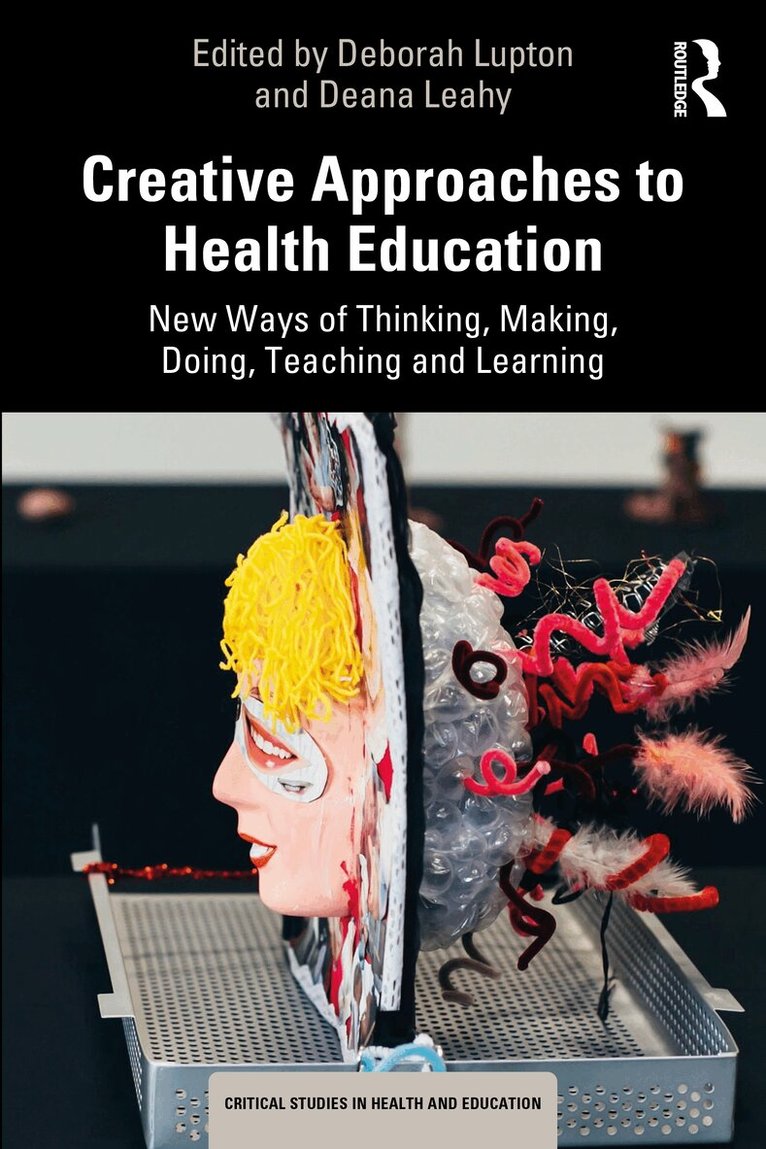
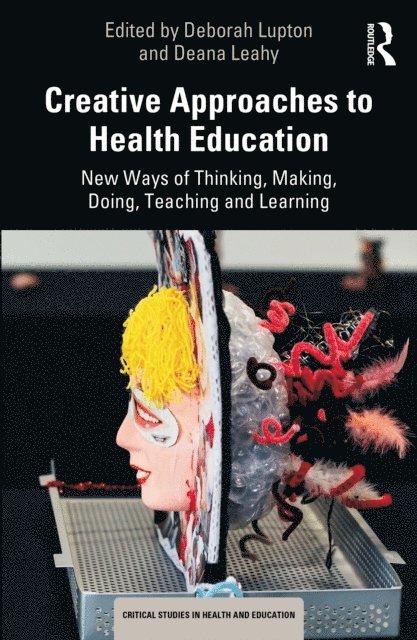
This book shows how creative methods, drawing on innovative arts-based and design-based approaches, can be employed in health education contexts. It takes a very broad view of ‘health education’, considering it as applying not only in school settings but across the lifespan, and as including physical education and sexuality education as well as public health campaigns, health activist initiatives and programmes designed for training educators and health professionals.
The chapters outline a series of case studies contributed by leaders in the field, describing projects using a wide variety of creative methods conducted in a variety of global contexts. These include a rich constellation of arts-based and design-based methods and artefacts: sculptures, dance, walking and other somatic movement, diaries, paintings, drawings, zines, poems and other creative writing, body maps, collages, stories, films, photographs, theatre performances, soundscapes, potions, rock gardens, brainstorming, debates, secret ballots, murals and graffiti walls. There are no rules or guidelines outlined in these contributions about ‘how to do’ creative approaches to health education. However, the methods in the case studies the authors describe are explained in detail so that they can be adopted or re-invented in other contexts. More importantly, these contributions provide inspiration. They demonstrate what can be done in the field of health education (however it is defined) to go beyond the often stultifying and conventional boundaries it has set for itself.
Creative Approaches to Health Education demonstrates that creative approaches can be used to inspire those working and teaching in health education and their publics to think and do otherwise as well as advance health education research and pedagogies into new, exciting and provocative directions. It will be of interest to postgraduate students and researchers in education and health-related fields who want to explore and experiment with creative methods and craftivism in applied inquiry.
690 kr
Läs direkt efter köp
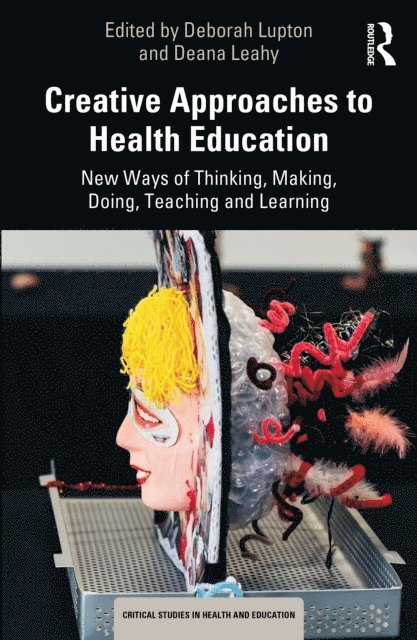
This book shows how creative methods, drawing on innovative arts-based and design-based approaches, can be employed in health education contexts. It takes a very broad view of ‘health education’, considering it as applying not only in school settings but across the lifespan, and as including physical education and sexuality education as well as public health campaigns, health activist initiatives and programmes designed for training educators and health professionals.
The chapters outline a series of case studies contributed by leaders in the field, describing projects using a wide variety of creative methods conducted in a variety of global contexts. These include a rich constellation of arts-based and design-based methods and artefacts: sculptures, dance, walking and other somatic movement, diaries, paintings, drawings, zines, poems and other creative writing, body maps, collages, stories, films, photographs, theatre performances, soundscapes, potions, rock gardens, brainstorming, debates, secret ballots, murals and graffiti walls. There are no rules or guidelines outlined in these contributions about ‘how to do’ creative approaches to health education. However, the methods in the case studies the authors describe are explained in detail so that they can be adopted or re-invented in other contexts. More importantly, these contributions provide inspiration. They demonstrate what can be done in the field of health education (however it is defined) to go beyond the often stultifying and conventional boundaries it has set for itself.
Creative Approaches to Health Education demonstrates that creative approaches can be used to inspire those working and teaching in health education and their publics to think and do otherwise as well as advance health education research and pedagogies into new, exciting and provocative directions. It will be of interest to postgraduate students and researchers in education and health-related fields who want to explore and experiment with creative methods and craftivism in applied inquiry.