3 184 kr
Skickas inom 10-15 vardagar
3 184 kr
Skickas inom 10-15 vardagar
1 115 kr
Läs direkt efter köp
1 115 kr
Läs direkt efter köp
954 kr
Skickas inom 10-15 vardagar
511 kr
Skickas inom 7-10 vardagar
642 kr
Läs direkt efter köp
656 kr
Läs direkt efter köp
999 kr
Skickas inom 7-10 vardagar
1 256 kr
Läs direkt efter köp
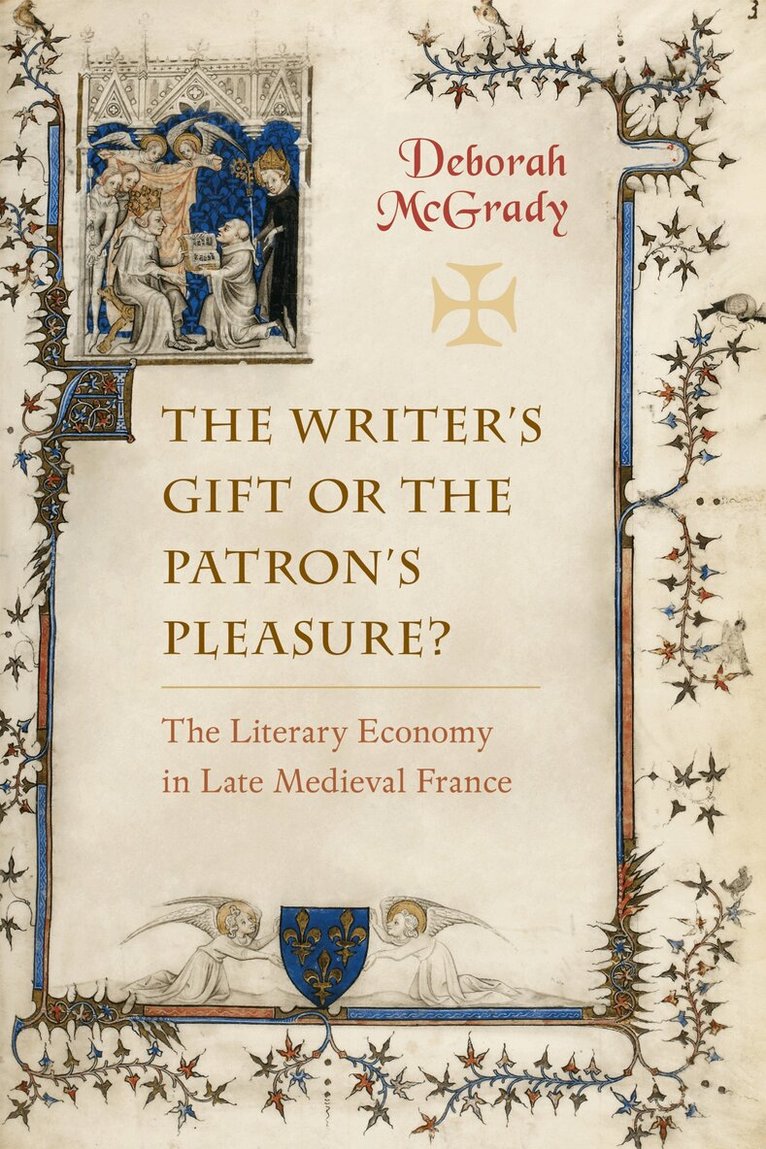
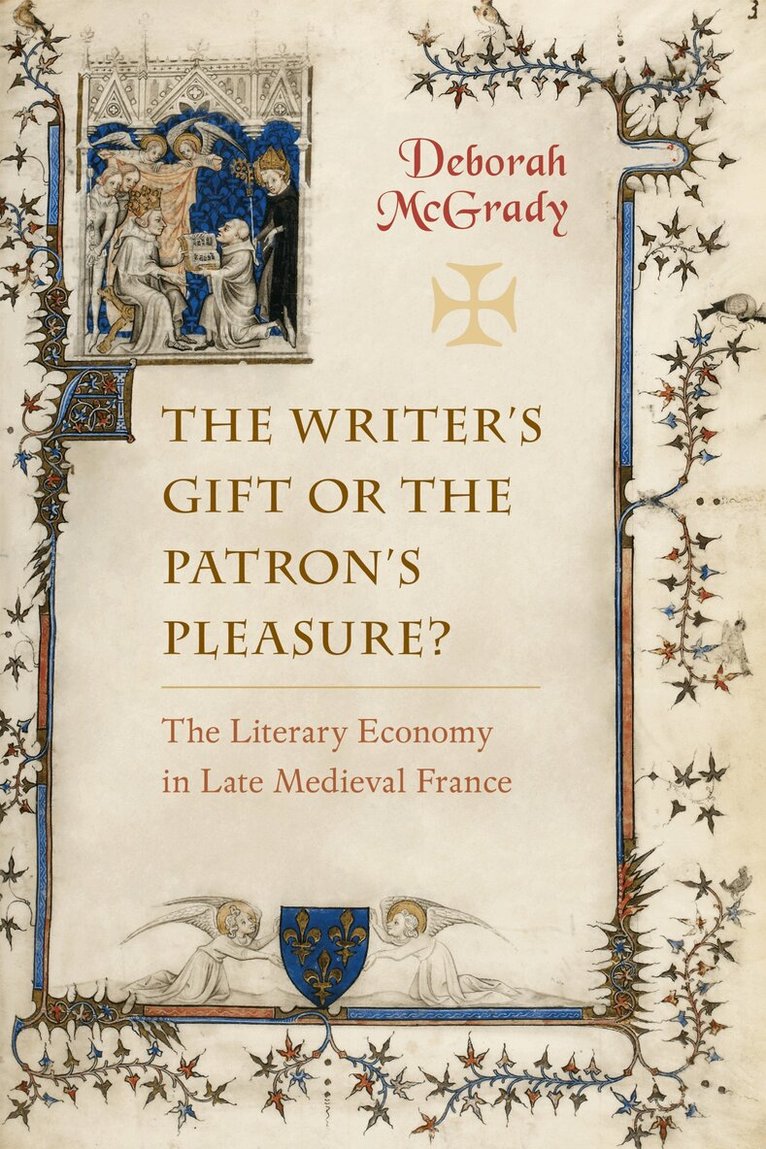
The Writer’s Gift or the Patron’s Pleasure? introduces a new approach to literary patronage through a reassessment of the medieval paragon of literary sponsorship, Charles V of France. Traditionally celebrated for his book commissions that promoted the vernacular, Charles V also deserves credit for having profoundly altered the literary economy when bypassing the traditional system of acquiring books through gifting to favor the commission. When upturning literary dynamics by soliciting works to satisfy his stated desires, the king triggered a multi-generational literary debate concerned with the effect a work’s status as a solicited or unsolicited text had in determining the value and purpose of the literary enterprise.
Treating first the king''s commissioned writers and then canonical French late medieval authors, Deborah McGrady argues that continued discussion of these competing literary economies engendered the concept of the “writer’s gift,” which vernacular writers used to claim a distinctive role in society based on their triple gift of knowledge, wisdom, and literary talent.
1 173 kr
Läs direkt efter köp
The Writer’s Gift or the Patron’s Pleasure? introduces a new approach to literary patronage through a reassessment of the medieval paragon of literary sponsorship, Charles V of France. Traditionally celebrated for his book commissions that promoted the vernacular, Charles V also deserves credit for having profoundly altered the literary economy when bypassing the traditional system of acquiring books through gifting to favor the commission. When upturning literary dynamics by soliciting works to satisfy his stated desires, the king triggered a multi-generational literary debate concerned with the effect a work’s status as a solicited or unsolicited text had in determining the value and purpose of the literary enterprise.
Treating first the king''s commissioned writers and then canonical French late medieval authors, Deborah McGrady argues that continued discussion of these competing literary economies engendered the concept of the “writer’s gift,” which vernacular writers used to claim a distinctive role in society based on their triple gift of knowledge, wisdom, and literary talent.