364 kr
Skickas inom 3-6 vardagar
364 kr
Skickas inom 3-6 vardagar
440 kr
Skickas inom 10-15 vardagar
364 kr
Skickas inom 3-6 vardagar
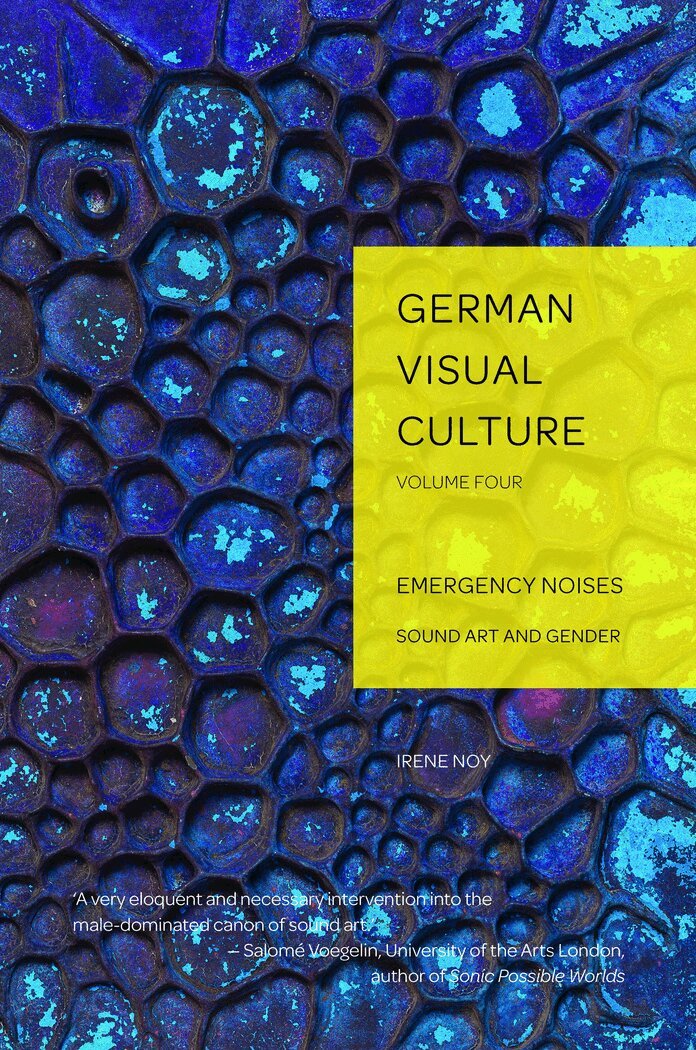
Sound Art and Gender
1 097 kr
Skickas inom 7-10 vardagar
1 378 kr
Skickas inom 7-10 vardagar
776 kr
Skickas inom 10-15 vardagar
2 565 kr
Skickas inom 7-10 vardagar
987 kr
Skickas inom 10-15 vardagar
868 kr
Skickas inom 7-10 vardagar
1 159 kr
Läs direkt efter köp
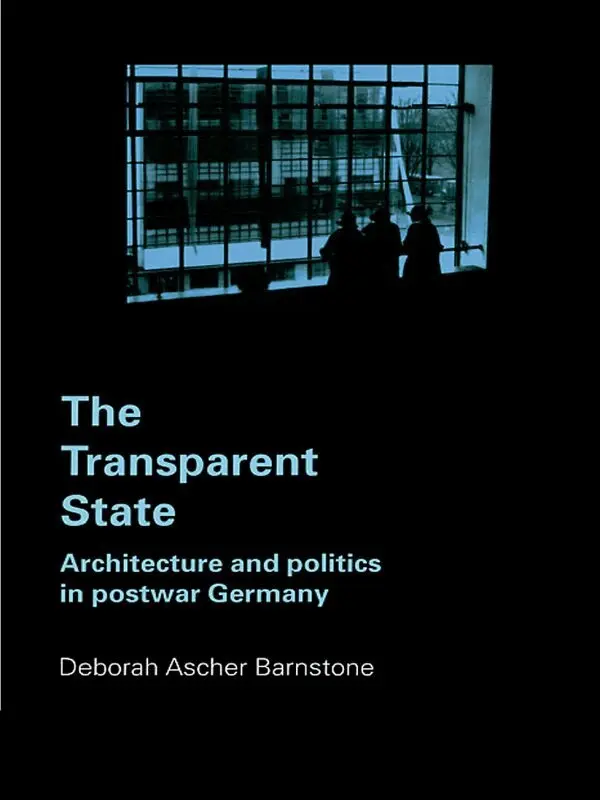
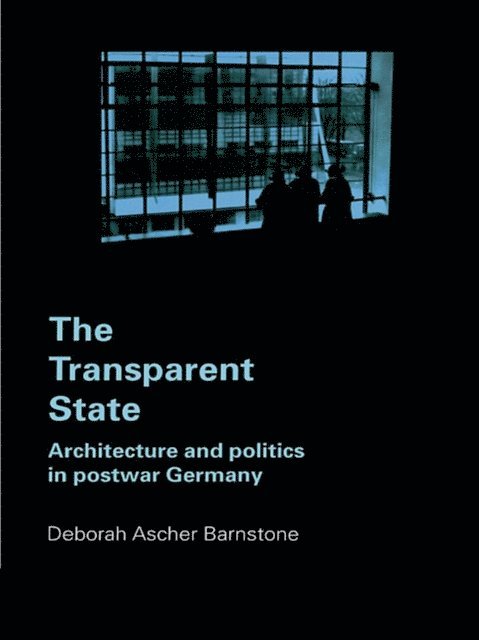
Examining the transformation of transparency as a metaphor in West German political thought to an analogy for democratic architecture, this bookquestions the prevailing assumption in German architectural circles that transparency in governmental buildings can be equated with openness, accessibility and greater democracy.The Transparent State traces the development of transparency in German political and architectural culture, tying this lineage to the relationship between culture and national identity, a connection that began before unification of the German state in the eighteenth century and continues today. The Weimar Republic and Third Reich periods are examined although the focus is on the postwar period, looking at the use of transparency in the three projects for a national parliament - the 1949 Bundestag project by Hans Schwippert, the 1992 Bundestag building by Gunter Behnisch and the 1999 Reichstag renovation by Norman Foster.Transparency is an important issue in contemporary architectural practice; this book will appeal to both the practising architect and the architectural historian.
1 134 kr
Läs direkt efter köp
Examining the transformation of transparency as a metaphor in West German political thought to an analogy for democratic architecture, this bookquestions the prevailing assumption in German architectural circles that transparency in governmental buildings can be equated with openness, accessibility and greater democracy.The Transparent State traces the development of transparency in German political and architectural culture, tying this lineage to the relationship between culture and national identity, a connection that began before unification of the German state in the eighteenth century and continues today. The Weimar Republic and Third Reich periods are examined although the focus is on the postwar period, looking at the use of transparency in the three projects for a national parliament - the 1949 Bundestag project by Hans Schwippert, the 1992 Bundestag building by Gunter Behnisch and the 1999 Reichstag renovation by Norman Foster.Transparency is an important issue in contemporary architectural practice; this book will appeal to both the practising architect and the architectural historian.
2 564 kr
Skickas inom 10-15 vardagar
883 kr
Läs direkt efter köp
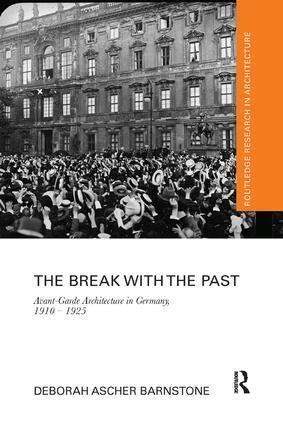
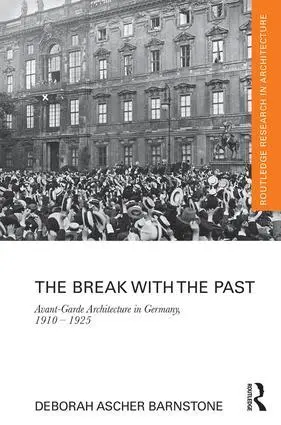
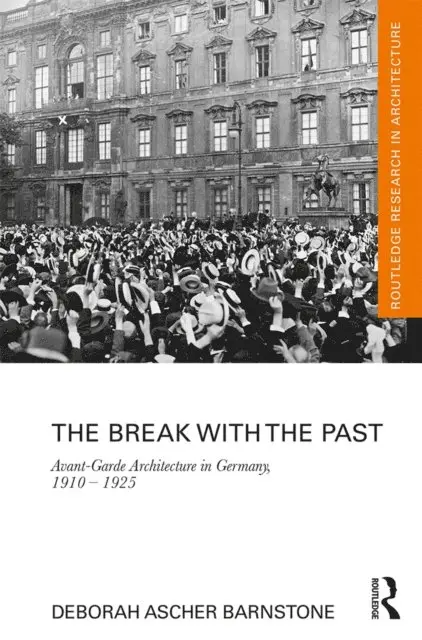
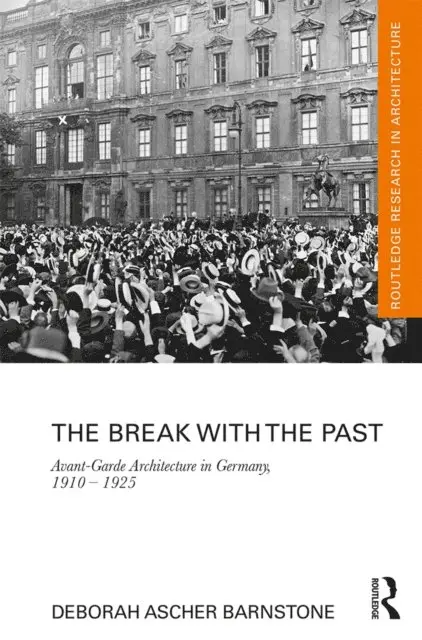
Between 1918 and 1933 the German interwar avant-garde was a primary force driving European cultural innovation and modernism. These innovations continue to influence artistic practice, theory, and arts education today, thus making a comprehensive study of the relationship between individual war experience and the immediate response of avant-garde architects after the war all the more important.
The Break with the Past pursues several important, interrelated questions. What were the disparate war experiences of German architects, and did they have different effects on Weimar cultural production? Did political orientation play a part in support for the war? In aesthetic choices? What changes occurred in avant-garde architectural practice after 1918? How do they compare with pre-war positions and practices, and expectations for post-war outcomes? In order to address these questions, the book uses individual case studies of four leading architects: Bruno Taut, Walter Gropius, Erich Mendelsohn, and Hans Scharoun.
This is a valuable resource for academics and students in the areas of Art and Architecture History, German history and Cultural Studies, European Culture and Modernism.
903 kr
Läs direkt efter köp
Between 1918 and 1933 the German interwar avant-garde was a primary force driving European cultural innovation and modernism. These innovations continue to influence artistic practice, theory, and arts education today, thus making a comprehensive study of the relationship between individual war experience and the immediate response of avant-garde architects after the war all the more important.
The Break with the Past pursues several important, interrelated questions. What were the disparate war experiences of German architects, and did they have different effects on Weimar cultural production? Did political orientation play a part in support for the war? In aesthetic choices? What changes occurred in avant-garde architectural practice after 1918? How do they compare with pre-war positions and practices, and expectations for post-war outcomes? In order to address these questions, the book uses individual case studies of four leading architects: Bruno Taut, Walter Gropius, Erich Mendelsohn, and Hans Scharoun.
This is a valuable resource for academics and students in the areas of Art and Architecture History, German history and Cultural Studies, European Culture and Modernism.
440 kr
Skickas inom 10-15 vardagar
482 kr
Läs direkt efter köp
478 kr
Läs direkt efter köp
415 kr
Skickas inom 10-15 vardagar
396 kr
Skickas inom 10-15 vardagar
431 kr
Läs direkt efter köp
434 kr
Läs direkt efter köp
379 kr
Skickas inom 7-10 vardagar
396 kr
Skickas inom 10-15 vardagar
1 378 kr
Skickas inom 7-10 vardagar
440 kr
Skickas inom 10-15 vardagar
1 306 kr
Skickas inom 7-10 vardagar
1 445 kr
Läs direkt efter köp
1 413 kr
Läs direkt efter köp
366 kr
Skickas inom 3-6 vardagar
2 036 kr
Skickas inom 10-15 vardagar