2 620 kr
Skickas inom 10-15 vardagar
2 620 kr
Skickas inom 10-15 vardagar
736 kr
Skickas inom 10-15 vardagar
2 544 kr
Skickas inom 10-15 vardagar
826 kr
Läs direkt efter köp
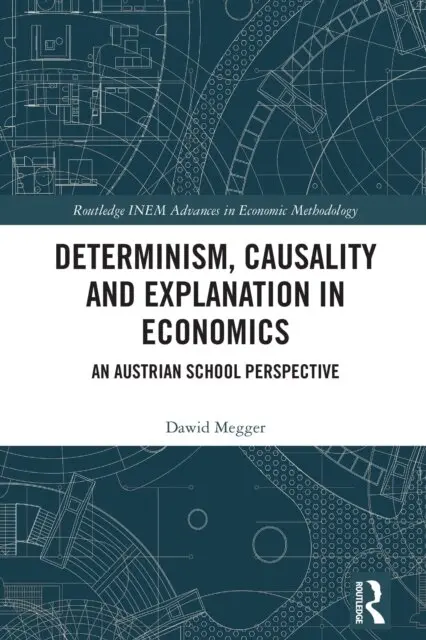
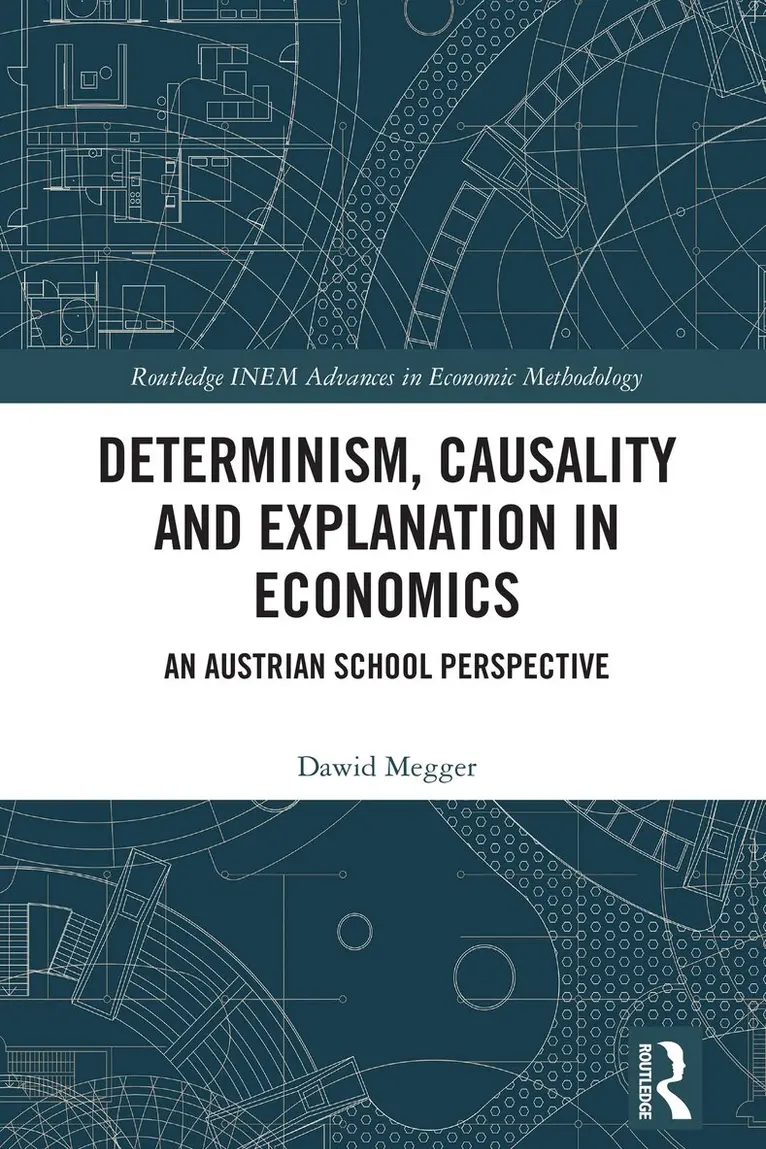
In recent years, the concepts of determinism, causality, and explanation have taken on particular importance in the economic literature. Due to the failures of economic predictions based on mathematical models, philosophers and economists turned their attention to methodological issues. At the same time, heterodox approaches to economics have received increased attention, including the Austrian school of economics, an intellectual tradition that perceives economics as a science of human action and has emphasised the role of causal explanations practically from its inception. This book opens by exploring disputes in the philosophy of science over the fundamental goal of science. While instrumentalists argue that scientists should aim at good predictions regardless of the veracity of theories, according to scientific realists, they should look for knowledge that reflects reality. The book shows that the Austrian tradition adheres to scientific realism and can be perceived as a middle ground between historicism and positivism. It discusses the determinism/free will problem in economics and its methodological relevance. Then, it examines various theories of causality (regularity, counterfactual, interventionist, probabilistic, and process/mechanistic) and their applicability to economics. Finally, it explores possible and desirable types of explanations in economics. As the book tries to show, the Austrian school offers a unique and valuable approach to these issues. The book will be of particular interest to readers in economic theory, philosophy of economics, and economic methodology, especially those appreciating heterodox traditions.
826 kr
Läs direkt efter köp
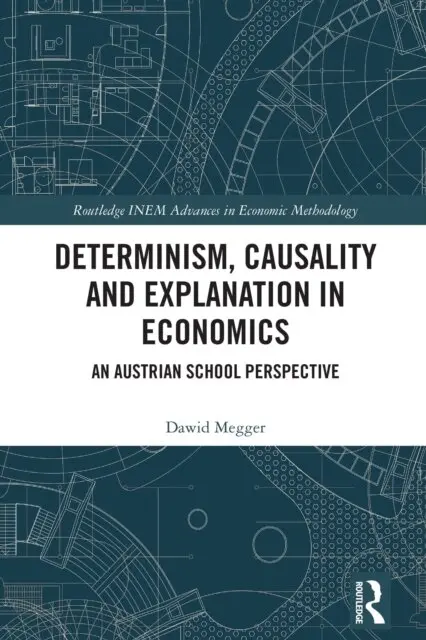
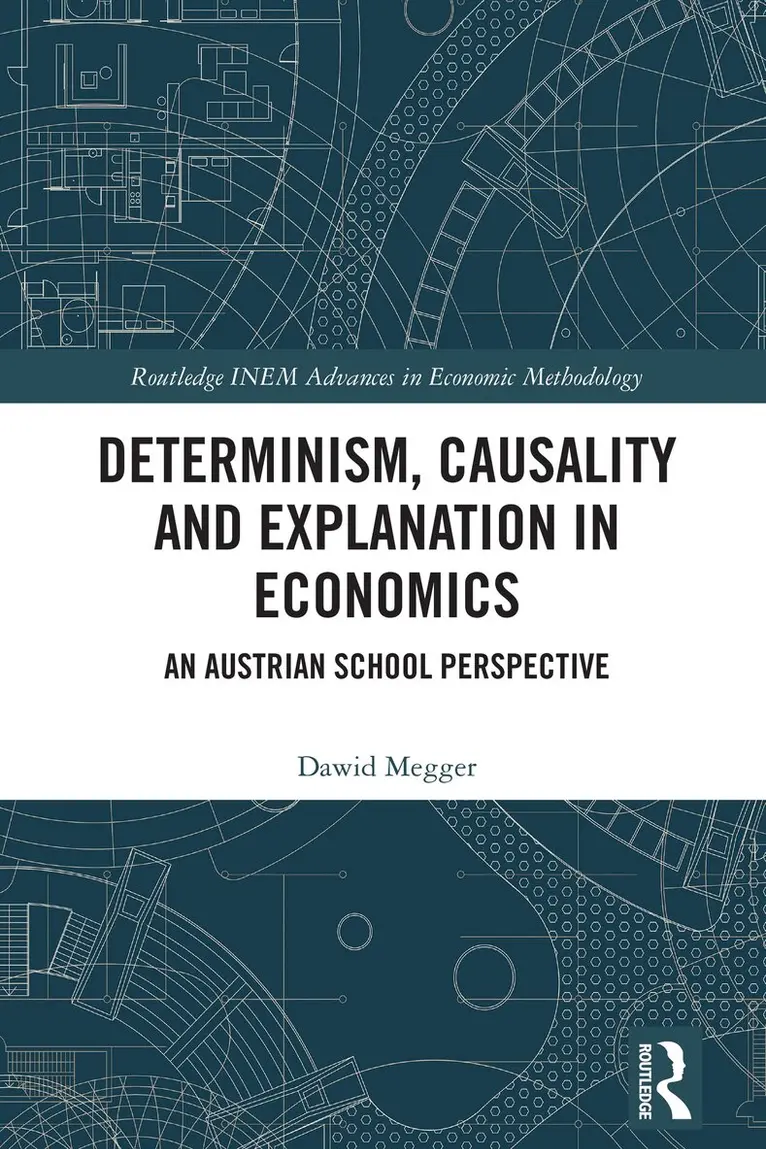
In recent years, the concepts of determinism, causality, and explanation have taken on particular importance in the economic literature. Due to the failures of economic predictions based on mathematical models, philosophers and economists turned their attention to methodological issues. At the same time, heterodox approaches to economics have received increased attention, including the Austrian school of economics, an intellectual tradition that perceives economics as a science of human action and has emphasised the role of causal explanations practically from its inception. This book opens by exploring disputes in the philosophy of science over the fundamental goal of science. While instrumentalists argue that scientists should aim at good predictions regardless of the veracity of theories, according to scientific realists, they should look for knowledge that reflects reality. The book shows that the Austrian tradition adheres to scientific realism and can be perceived as a middle ground between historicism and positivism. It discusses the determinism/free will problem in economics and its methodological relevance. Then, it examines various theories of causality (regularity, counterfactual, interventionist, probabilistic, and process/mechanistic) and their applicability to economics. Finally, it explores possible and desirable types of explanations in economics. As the book tries to show, the Austrian school offers a unique and valuable approach to these issues. The book will be of particular interest to readers in economic theory, philosophy of economics, and economic methodology, especially those appreciating heterodox traditions.
680 kr
Läs direkt efter köp
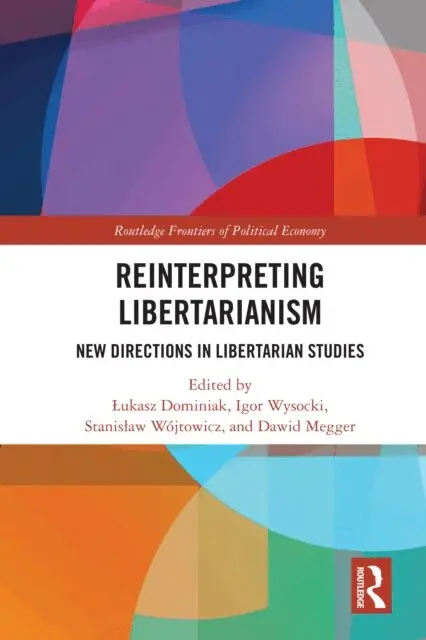
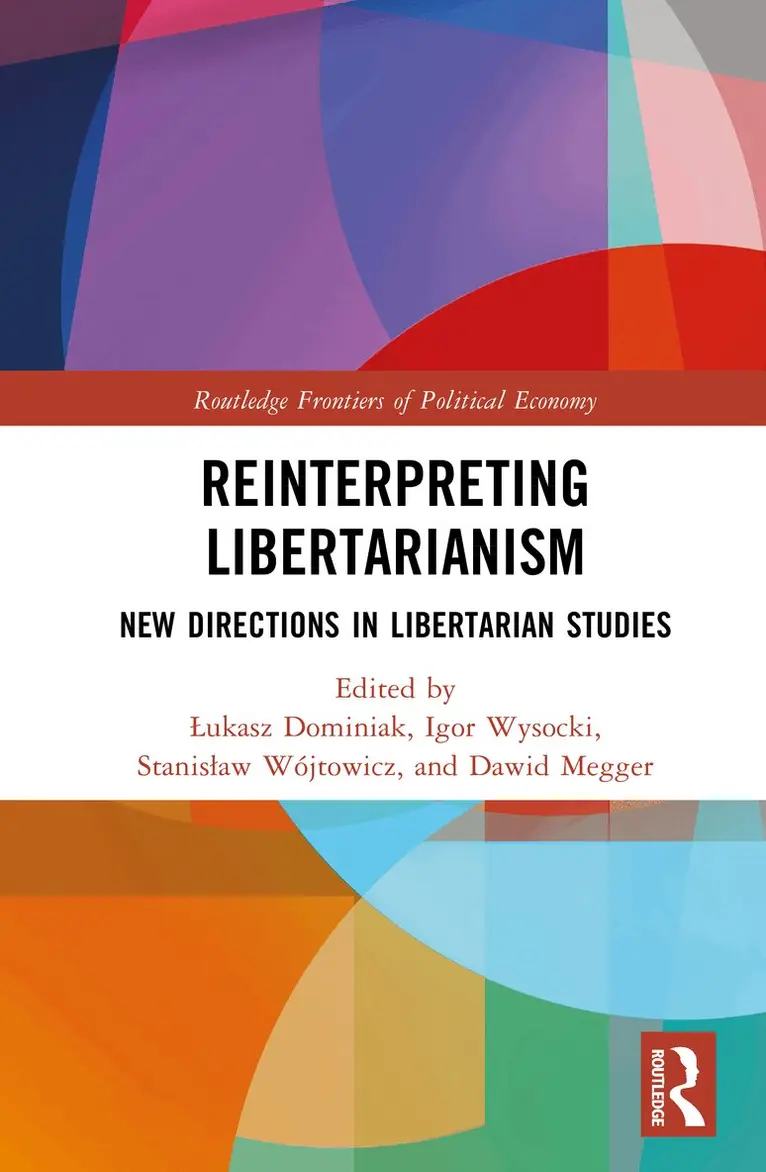
This volume provides a thorough reconsideration of libertarian theory, offering novel perspectives that challenge established assumptions and initiate new directions for philosophical, legal and economic investigation.
By tackling such topics as voluntariness, dignity and inalienability of rights, game theory, healthcare, and the political relevance of monarchy, the chapters provide readers with novel analytical instruments for delving more deeply into libertarianism. Through detailed examinations of such issues as fraud, blackmail, slavery, liability, and technological disruption, contributors reconsider the foundations of libertarian principles while demonstrating how they apply to pressing contemporary practical problems. The book offers critical reassessments of established doctrines and constructive proposals for reformulating libertarianism, while trying to remedy its theoretical weaknesses. In doing so, it furnishes its readers with a framework that helps to understand both the theoretical coherence and the practical adaptability of libertarian ideas, ensuring its relevance for philosophers, legal theorists, economists, and policymakers alike.
The book will be of great interest to political economists, political philosophers, political scientists, ethicists, and everyone in libertarianism in all its forms.
685 kr
Läs direkt efter köp
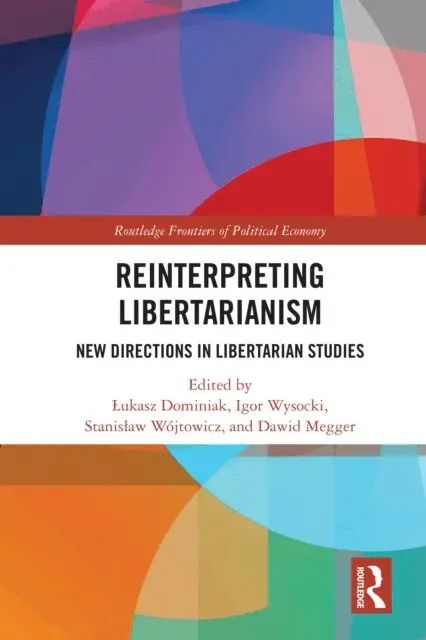
This volume provides a thorough reconsideration of libertarian theory, offering novel perspectives that challenge established assumptions and initiate new directions for philosophical, legal and economic investigation.
By tackling such topics as voluntariness, dignity and inalienability of rights, game theory, healthcare, and the political relevance of monarchy, the chapters provide readers with novel analytical instruments for delving more deeply into libertarianism. Through detailed examinations of such issues as fraud, blackmail, slavery, liability, and technological disruption, contributors reconsider the foundations of libertarian principles while demonstrating how they apply to pressing contemporary practical problems. The book offers critical reassessments of established doctrines and constructive proposals for reformulating libertarianism, while trying to remedy its theoretical weaknesses. In doing so, it furnishes its readers with a framework that helps to understand both the theoretical coherence and the practical adaptability of libertarian ideas, ensuring its relevance for philosophers, legal theorists, economists, and policymakers alike.
The book will be of great interest to political economists, political philosophers, political scientists, ethicists, and everyone in libertarianism in all its forms.