569 kr
Skickas inom 7-10 vardagar
569 kr
Skickas inom 7-10 vardagar
2 314 kr
Skickas inom 7-10 vardagar
642 kr
Skickas inom 7-10 vardagar
351 kr
Skickas inom 7-10 vardagar
1 887 kr
Skickas inom 7-10 vardagar
682 kr
Skickas inom 7-10 vardagar
1 698 kr
Skickas inom 7-10 vardagar
551 kr
Läs direkt efter köp
551 kr
Läs direkt efter köp
430 kr
Skickas inom 10-15 vardagar
1 318 kr
Skickas inom 10-15 vardagar
454 kr
Läs direkt efter köp
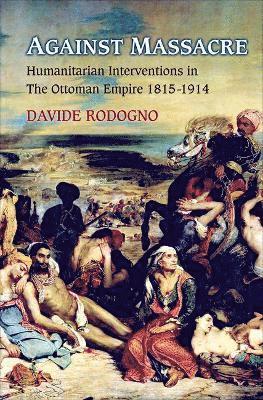
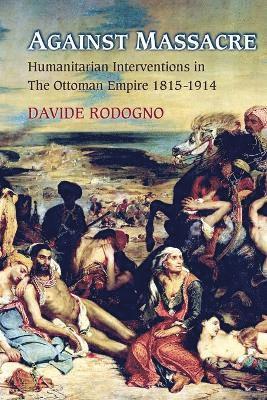
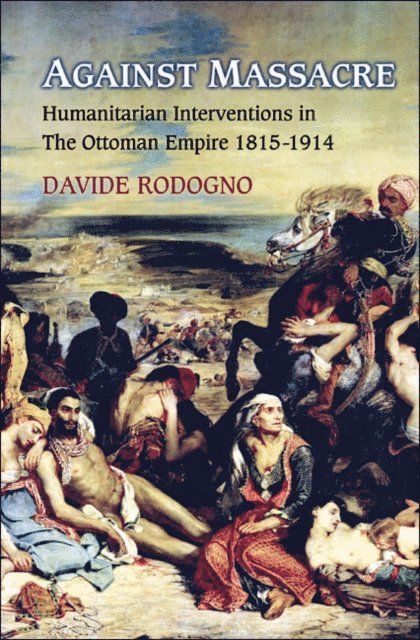
Against Massacre looks at the rise of humanitarian intervention in the nineteenth century, from the fall of Napoleon to the First World War. Examining the concept from a historical perspective, Davide Rodogno explores the understudied cases of European interventions and noninterventions in the Ottoman Empire and brings a new view to this international practice for the contemporary era. While it is commonly believed that humanitarian interventions are a fairly recent development, Rodogno demonstrates that almost two centuries ago an international community, under the aegis of certain European powers, claimed a moral and political right to intervene in other states'' affairs to save strangers from massacre, atrocity, or extermination. On some occasions, these powers acted to protect fellow Christians when allegedly "uncivilized" states, like the Ottoman Empire, violated a "right to life." Exploring the political, legal, and moral status, as well as European perceptions, of the Ottoman Empire, Rodogno investigates the reasons that were put forward to exclude the Ottomans from the so-called Family of Nations. He considers the claims and mixed motives of intervening states for aiding humanity, the relationship between public outcry and state action or inaction, and the bias and selectiveness of governments and campaigners. An original account of humanitarian interventions some two centuries ago, Against Massacre investigates the varied consequences of European involvement in the Ottoman Empire and the lessons that can be learned for similar actions today.
1 979 kr
Skickas inom 7-10 vardagar
335 kr
Läs direkt efter köp
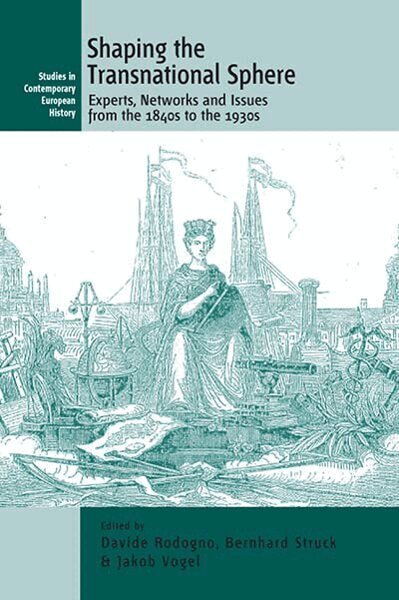
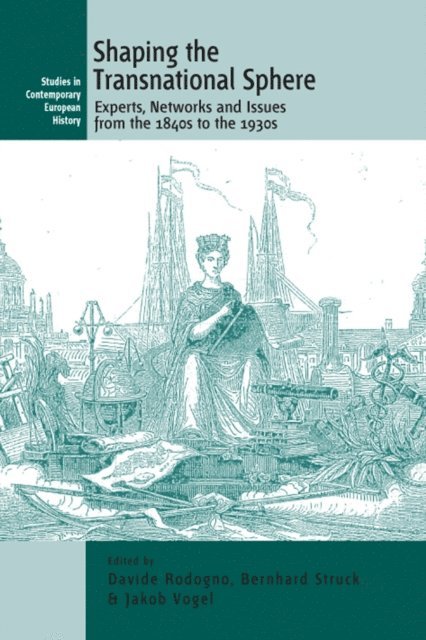
In the second half of the nineteenth century a new kind of social and cultural actor came to the fore: the expert. During this period complex processes of modernization, industrialization, urbanization, and nation-building gained pace, particularly in Western Europe and North America. These processes created new forms of specialized expertise that grew in demand and became indispensible in fields like sanitation, incarceration, urban planning, and education. Often the expertise needed stemmed from problems at a local or regional level, but many transcended nation-state borders. Experts helped shape a new transnational sphere by creating communities that crossed borders and languages, sharing knowledge and resources through those new communities, and by participating in special events such as congresses and world fairs.
1 070 kr
Skickas inom 7-10 vardagar
355 kr
Skickas inom 7-10 vardagar