186 kr
Skickas
186 kr
Skickas
189 kr
Skickas
241 kr
Skickas
271 kr
Skickas inom 3-6 vardagar
277 kr
Skickas inom 3-6 vardagar
135 kr
Läs direkt efter köp
716 kr
Skickas inom 10-15 vardagar
249 kr
Skickas inom 3-6 vardagar
2 497 kr
Skickas inom 10-15 vardagar
644 kr
Skickas inom 10-15 vardagar
2 497 kr
Skickas inom 10-15 vardagar
856 kr
Skickas inom 10-15 vardagar
2 526 kr
Skickas inom 10-15 vardagar
1 211 kr
Skickas inom 11-20 vardagar
293 kr
Skickas inom 7-10 vardagar
1 390 kr
Skickas inom 7-10 vardagar
211 kr
Skickas inom 7-10 vardagar
274 kr
Skickas inom 3-6 vardagar
439 kr
Skickas inom 7-10 vardagar
304 kr
Skickas inom 7-10 vardagar
160 kr
Läs direkt efter köp
701 kr
Läs direkt efter köp
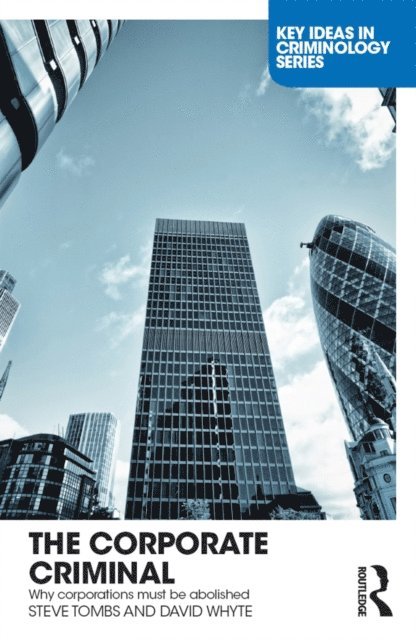
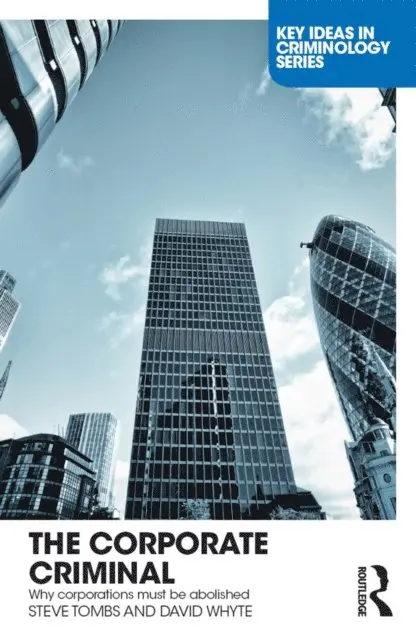
Drawing upon a wide range of sources of empirical evidence, historical analysis and theoretical argument, this book shows beyond any doubt that the private, profit-making, corporation is a habitual and routine offender. The book dissects the myth that the corporation can be a rational, responsible, ''citizen''. It shows how in its present form, the corporation is permitted, licensed and encouraged to systematically kill, maim and steal for profit. Corporations are constructed through law and politics in ways that impel them to cause harm to people and the environment. In other words, criminality is part of the DNA of the modern corporation. Therefore, the authors argue, the corporation cannot be easily reformed. The only feasible solution to this ''crime'' problem is to abolish the legal and political privileges that enable the corporation to act with impunity.
696 kr
Läs direkt efter köp
Drawing upon a wide range of sources of empirical evidence, historical analysis and theoretical argument, this book shows beyond any doubt that the private, profit-making, corporation is a habitual and routine offender. The book dissects the myth that the corporation can be a rational, responsible, ''citizen''. It shows how in its present form, the corporation is permitted, licensed and encouraged to systematically kill, maim and steal for profit. Corporations are constructed through law and politics in ways that impel them to cause harm to people and the environment. In other words, criminality is part of the DNA of the modern corporation. Therefore, the authors argue, the corporation cannot be easily reformed. The only feasible solution to this ''crime'' problem is to abolish the legal and political privileges that enable the corporation to act with impunity.
815 kr
Skickas inom 10-15 vardagar
572 kr
Skickas inom 10-15 vardagar
2 311 kr
Skickas inom 10-15 vardagar
2 489 kr
Skickas inom 10-15 vardagar
706 kr
Läs direkt efter köp
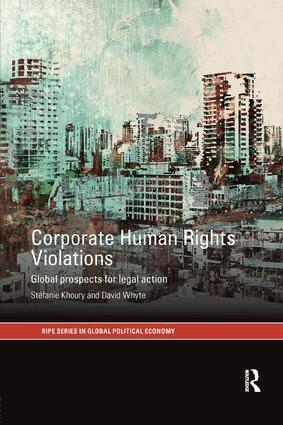
This book develops an analysis of the historical, political and legal contexts behind current demands by NGOs and the United Nations Human Rights Council to hold corporations accountable for their human rights violations. Based on an analysis of the range of mechanisms of accountability that currently exist, it argues that that those demands are a response to the failure of neo-liberal policies that have dominated the practice of politics and law since the emergence of this debate in its current form in the 1970s.
Offering a new approach to understanding how struggles for hegemony are refracted through a range of legal challenges to corporate human rights violations, the book offers a fresh perspective for understanding how those struggles are played out in the global sphere. In order to analyse the prospects for using human rights law to challenge the right of corporations to author human rights violations, the book explores the development of a range of political initiatives in the UN, the uses of tort law in domestic courts, and the uses of human rights law at the European Court of Human Rights and at the Inter-American Court of Human Rights.
This book will be essential reading for all those interested in how international institutions and NGOs are both shaping and being shaped by global struggles against corporate power.
669 kr
Läs direkt efter köp
This book develops an analysis of the historical, political and legal contexts behind current demands by NGOs and the United Nations Human Rights Council to hold corporations accountable for their human rights violations. Based on an analysis of the range of mechanisms of accountability that currently exist, it argues that that those demands are a response to the failure of neo-liberal policies that have dominated the practice of politics and law since the emergence of this debate in its current form in the 1970s.
Offering a new approach to understanding how struggles for hegemony are refracted through a range of legal challenges to corporate human rights violations, the book offers a fresh perspective for understanding how those struggles are played out in the global sphere. In order to analyse the prospects for using human rights law to challenge the right of corporations to author human rights violations, the book explores the development of a range of political initiatives in the UN, the uses of tort law in domestic courts, and the uses of human rights law at the European Court of Human Rights and at the Inter-American Court of Human Rights.
This book will be essential reading for all those interested in how international institutions and NGOs are both shaping and being shaped by global struggles against corporate power.
942 kr
Läs direkt efter köp
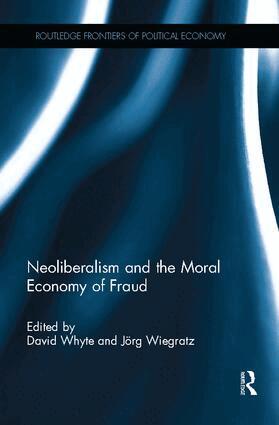
There is evidence that economic fraud has, in recent years, become routine activity in the economies of both high- and low-income countries. Many business sectors in today''s global economy are rife with economic crime.
Neoliberalism and the Moral Economy of Fraud shows how neoliberal policies, reforms, ideas, social relations and practices have engendered a type of sociocultural change across the globe which is facilitating widespread fraud. This book investigates the moral worlds of fraud in different social and geographical settings, and shows how contemporary fraud is not the outcome of just a few ‘bad apples’. Authors from a range of disciplines including sociology, anthropology and political science, social policy and economics, employ case studies from the Global North and Global South to explore how particular values, morals and standards of behaviour rendered dominant by neoliberalism are encouraging the proliferation of fraud.
This book will be indispensable for those who are interested in political economy, development studies, economics, anthropology, sociology and criminology.