2 497 kr
Skickas inom 10-15 vardagar
2 497 kr
Skickas inom 10-15 vardagar
831 kr
Läs direkt efter köp
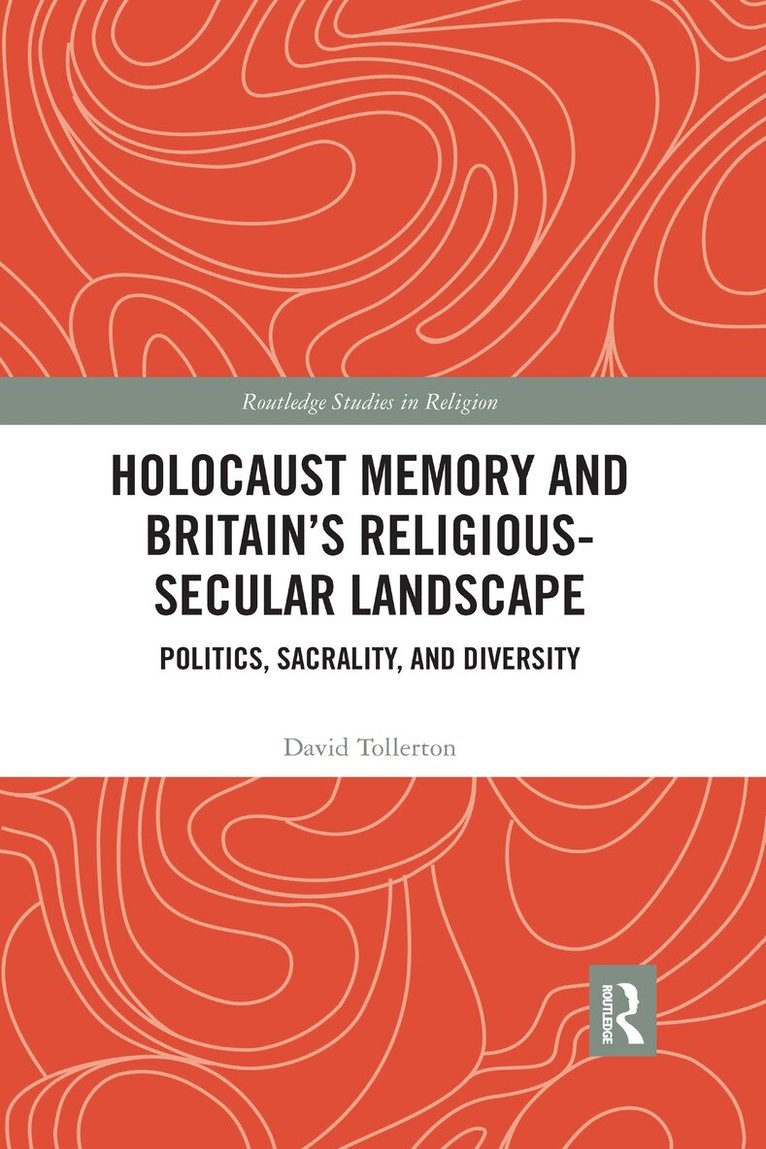
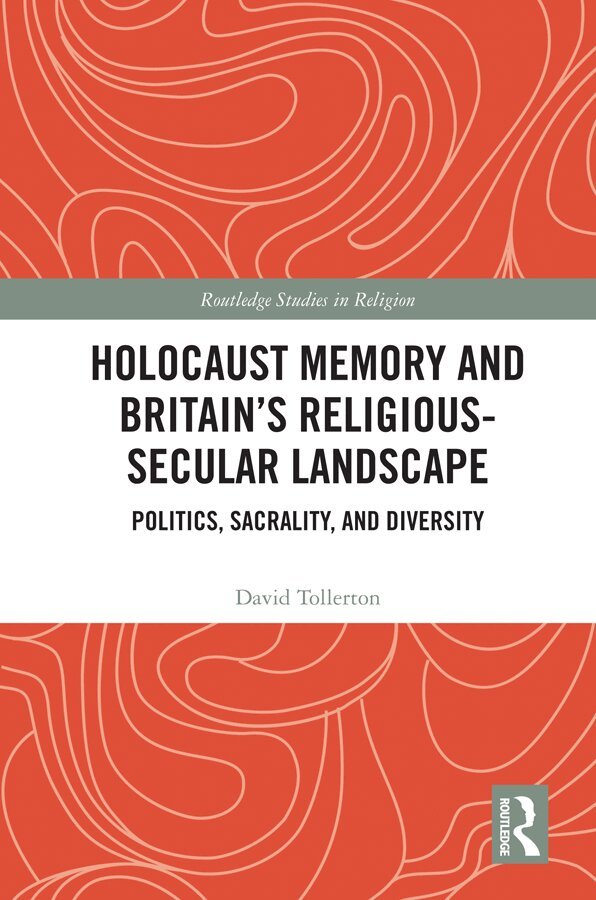
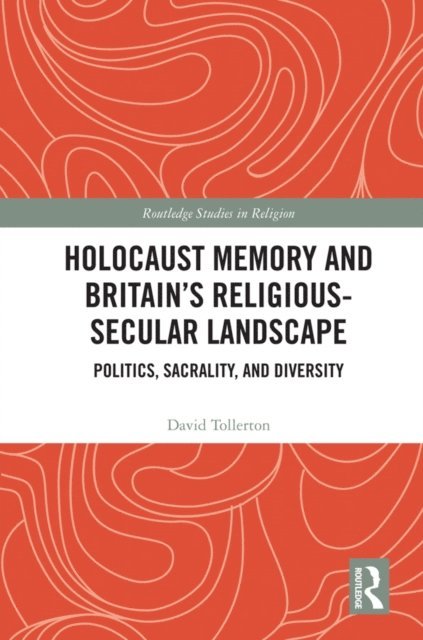
British state-supported Holocaust remembrance has dramatically grown in prominence since the 1990s. This monograph provides the first substantial discussion of the interface between public Holocaust memory in contemporary Britain and the nation’s changing religious-secular landscape.
In the first half of the book attention is given to the relationships between remembrance activities and Jewish, Muslim, Christian, and post-Christian communities. Such relationships are far from monolithic, being entangled in diverse histories, identities, power-structures, and notions of ‘British values’. In the book’s second half, the focus turns to ways in which public initiatives concerned with Holocaust commemoration and education are intertwined with evocations and perceptions of the sacred. Three state-supported endeavours are addressed in detail: Holocaust Memorial Day, plans for a major new memorial site in London, and school visits to Auschwitz. Considering these phenomena through concepts of ritual, sacred space, and pilgrimage, it is proposed that response to the Holocaust has become a key feature of Britain’s 21st century religious-secular landscape. Critical consideration of these topics, it is argued, is necessary for both a better understanding of religious-secular change in modern Britain and a sustainable culture of remembrance and national self-examination.
This is the first study to examine Holocaust remembrance and British religiosity/secularity in relation to one another. As such, it will be of keen interest to scholars of Religious Studies, Jewish studies and Holocaust Studies, as well as the Sociology of Religion, Material Religion and Secularism.
813 kr
Läs direkt efter köp
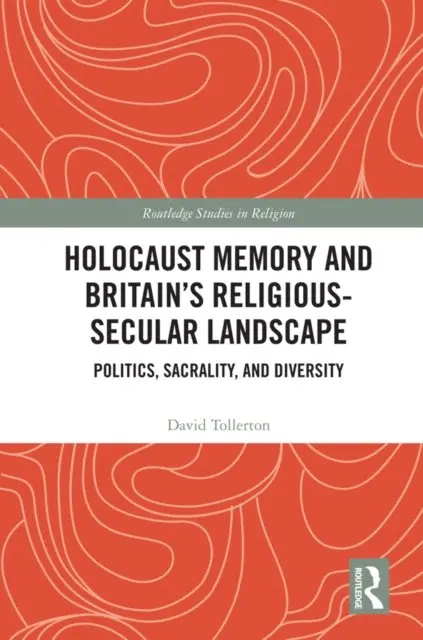
British state-supported Holocaust remembrance has dramatically grown in prominence since the 1990s. This monograph provides the first substantial discussion of the interface between public Holocaust memory in contemporary Britain and the nation’s changing religious-secular landscape.
In the first half of the book attention is given to the relationships between remembrance activities and Jewish, Muslim, Christian, and post-Christian communities. Such relationships are far from monolithic, being entangled in diverse histories, identities, power-structures, and notions of ‘British values’. In the book’s second half, the focus turns to ways in which public initiatives concerned with Holocaust commemoration and education are intertwined with evocations and perceptions of the sacred. Three state-supported endeavours are addressed in detail: Holocaust Memorial Day, plans for a major new memorial site in London, and school visits to Auschwitz. Considering these phenomena through concepts of ritual, sacred space, and pilgrimage, it is proposed that response to the Holocaust has become a key feature of Britain’s 21st century religious-secular landscape. Critical consideration of these topics, it is argued, is necessary for both a better understanding of religious-secular change in modern Britain and a sustainable culture of remembrance and national self-examination.
This is the first study to examine Holocaust remembrance and British religiosity/secularity in relation to one another. As such, it will be of keen interest to scholars of Religious Studies, Jewish studies and Holocaust Studies, as well as the Sociology of Religion, Material Religion and Secularism.
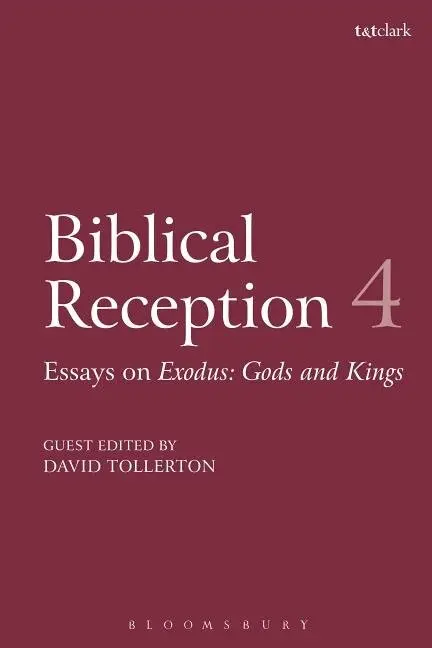
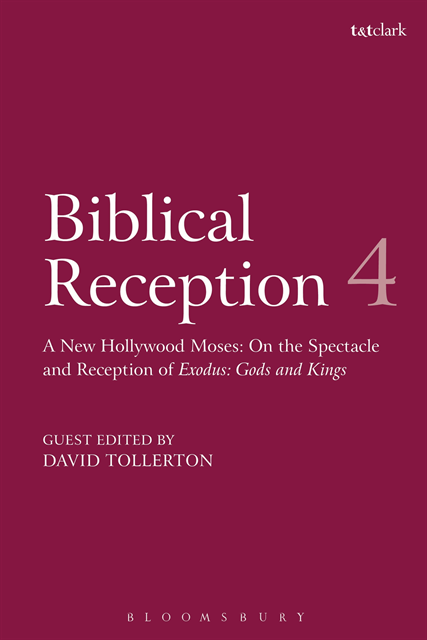
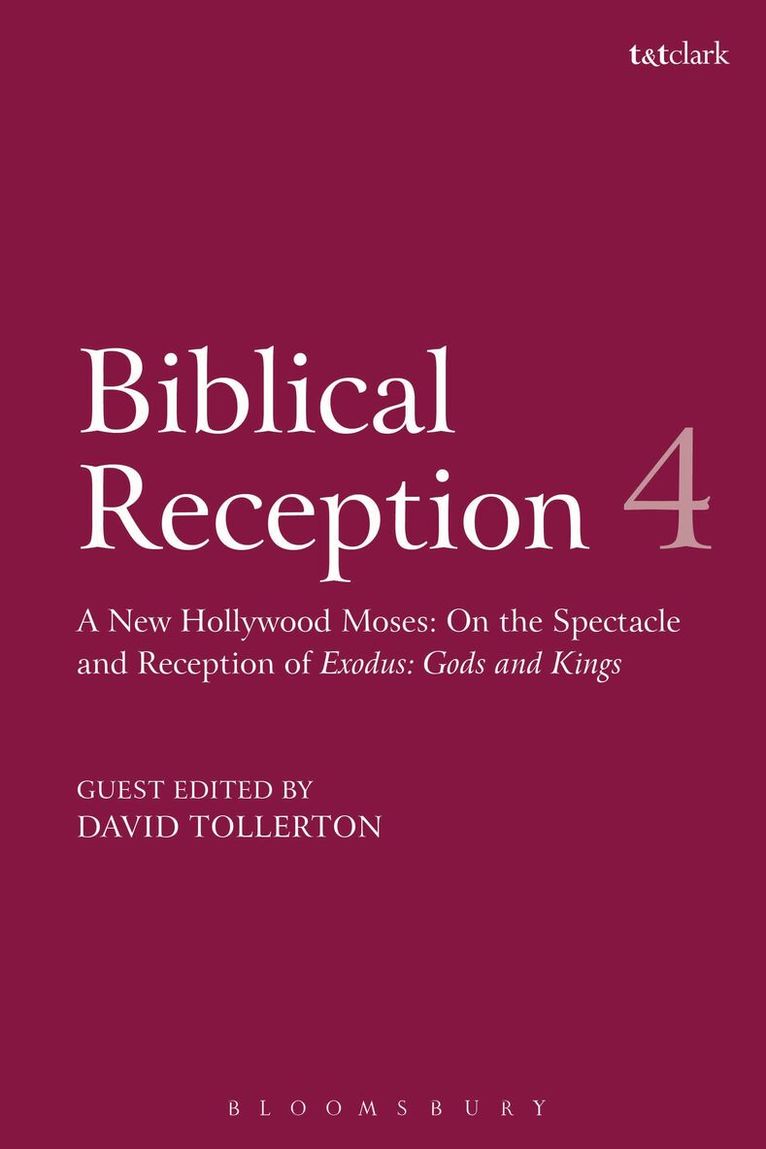
A New Hollywood Moses: On the Spectacle and Reception of Exodus: Gods and Kings
1 687 kr
Skickas inom 10-15 vardagar
A New Hollywood Moses: on the Spectacle and Reception of Exodus: Gods and Kings
557 kr
Läs direkt efter köp
A New Hollywood Moses: On the Spectacle and Reception of Exodus: Gods and Kings
519 kr
Skickas inom 10-15 vardagar
707 kr
Skickas inom 10-15 vardagar
2 602 kr
Skickas inom 10-15 vardagar
856 kr
Läs direkt efter köp
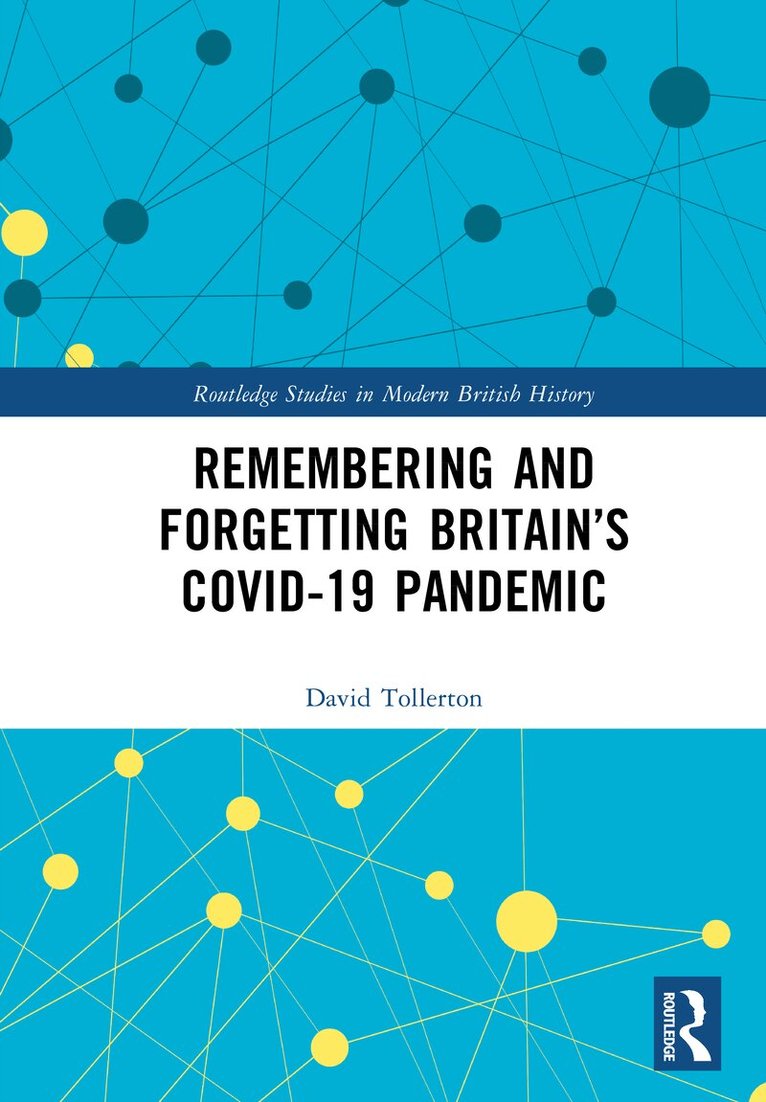
Remembering and Forgetting Britain’s COVID-19 Pandemic presents the first critical assessment of British memorial sites created in response to impacts of the COVID-19 virus.
Covering memorials established during the half-decade since the start of the first lockdown, this book considers the complexities of their origins, their varying forms and narratives, and how they have been received. The stories of these sites are addressed in relation to a wider context of uncertainty regarding how the COVID-19 pandemic should be remembered – whether the focus should be on bereavement, wider societal suffering, or heroism and resilience – and indeed whether it deserves public attention at all. The pandemic’s impacts in Britain were, and continue to be, vast in scope, and yet engagement with the memory of this event remains in a state of hesitancy and flux. This book argues that through understanding the physical sites of remembrance that have been created since 2020 we can better engage with the diversity of pandemic experiences and the range of its meanings.
This book will be of particular interest to memory studies scholars and also general readers concerned with the societal aftermath of this complex and contested event in recent British history.
829 kr
Läs direkt efter köp
Remembering and Forgetting Britain’s COVID-19 Pandemic presents the first critical assessment of British memorial sites created in response to impacts of the COVID-19 virus.
Covering memorials established during the half-decade since the start of the first lockdown, this book considers the complexities of their origins, their varying forms and narratives, and how they have been received. The stories of these sites are addressed in relation to a wider context of uncertainty regarding how the COVID-19 pandemic should be remembered – whether the focus should be on bereavement, wider societal suffering, or heroism and resilience – and indeed whether it deserves public attention at all. The pandemic’s impacts in Britain were, and continue to be, vast in scope, and yet engagement with the memory of this event remains in a state of hesitancy and flux. This book argues that through understanding the physical sites of remembrance that have been created since 2020 we can better engage with the diversity of pandemic experiences and the range of its meanings.
This book will be of particular interest to memory studies scholars and also general readers concerned with the societal aftermath of this complex and contested event in recent British history.