2 602 kr
Skickas inom 10-15 vardagar
2 602 kr
Skickas inom 10-15 vardagar
671 kr
Skickas inom 10-15 vardagar
307 kr
Skickas inom 11-20 vardagar
739 kr
Skickas inom 10-15 vardagar
1 705 kr
Skickas inom 10-15 vardagar
695 kr
Skickas inom 10-15 vardagar
461 kr
Skickas inom 10-15 vardagar
519 kr
Skickas inom 10-15 vardagar
402 kr
Skickas inom 10-15 vardagar
768 kr
Läs direkt efter köp
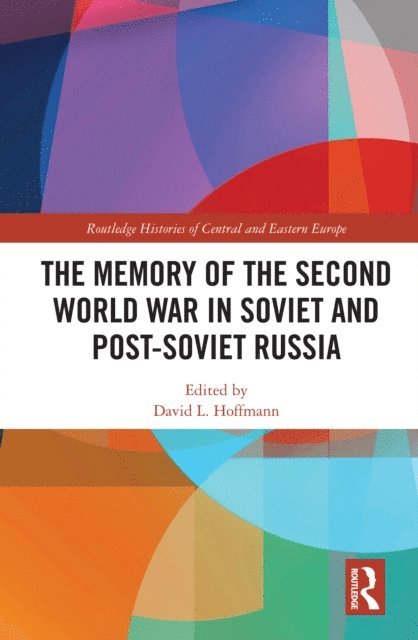
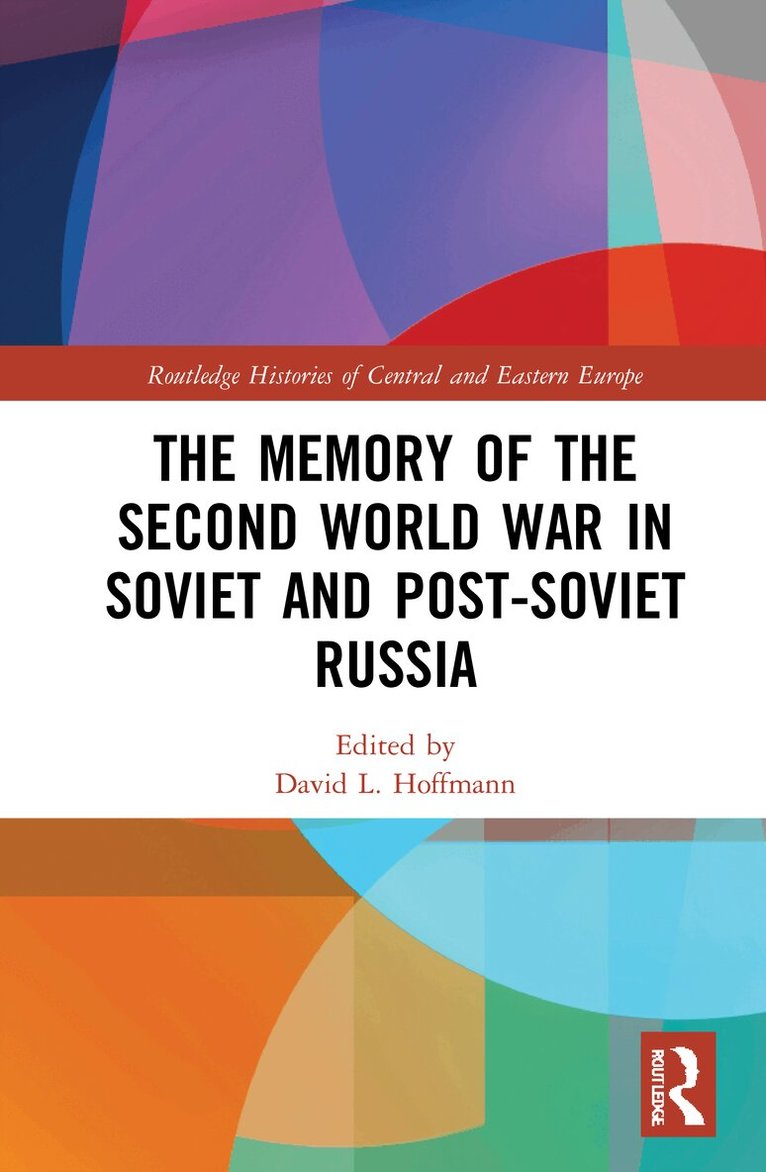
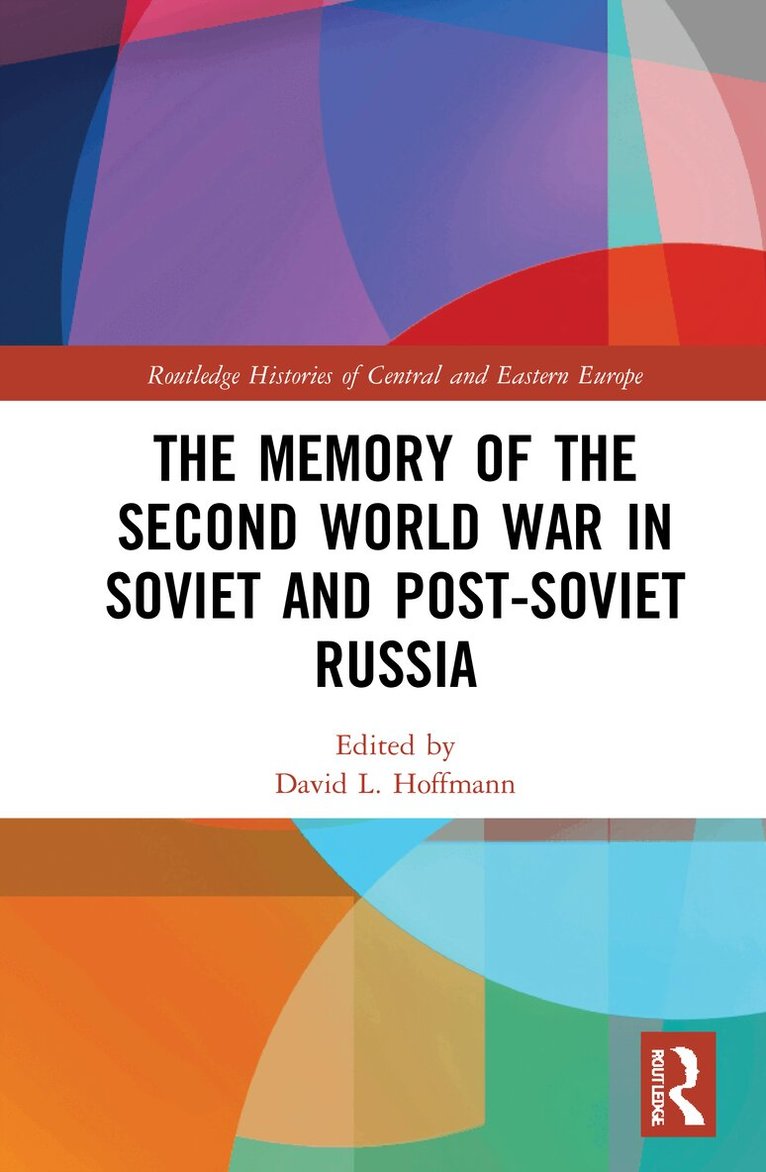
This volume showcases important new research on World War II memory, both in the Soviet Union and in Russia today.
Through an examination of war remembrance in its various forms—official histories, school textbooks, museums, monuments, literature, films, and Victory Day parades—chapters illustrate how the heroic narrative of the war was established in Soviet times and how it continues to shape war memorialization under Putin. This war narrative resonates with the Russian population due to decades of Soviet commemoration, which continued virtually uninterrupted into the post-Soviet period. Major themes of the volume include the use of World War II memory for political legitimation and patriotic mobilization; the striking continuities between Soviet and post-Soviet commemorative practices; the place of Holocaust memorialization in contemporary Russia; Putin’s invocation of the war to bolster national pride and international prestige; and the relationship between individual memory and collective remembrance.
Authored by an international group of distinguished specialists, this collection is ideal for scholars of Russia across a range of disciplines, including history, political science, sociology, and cultural studies.
768 kr
Läs direkt efter köp
This volume showcases important new research on World War II memory, both in the Soviet Union and in Russia today.
Through an examination of war remembrance in its various forms—official histories, school textbooks, museums, monuments, literature, films, and Victory Day parades—chapters illustrate how the heroic narrative of the war was established in Soviet times and how it continues to shape war memorialization under Putin. This war narrative resonates with the Russian population due to decades of Soviet commemoration, which continued virtually uninterrupted into the post-Soviet period. Major themes of the volume include the use of World War II memory for political legitimation and patriotic mobilization; the striking continuities between Soviet and post-Soviet commemorative practices; the place of Holocaust memorialization in contemporary Russia; Putin’s invocation of the war to bolster national pride and international prestige; and the relationship between individual memory and collective remembrance.
Authored by an international group of distinguished specialists, this collection is ideal for scholars of Russia across a range of disciplines, including history, political science, sociology, and cultural studies.
2 602 kr
Skickas inom 10-15 vardagar
856 kr
Läs direkt efter köp
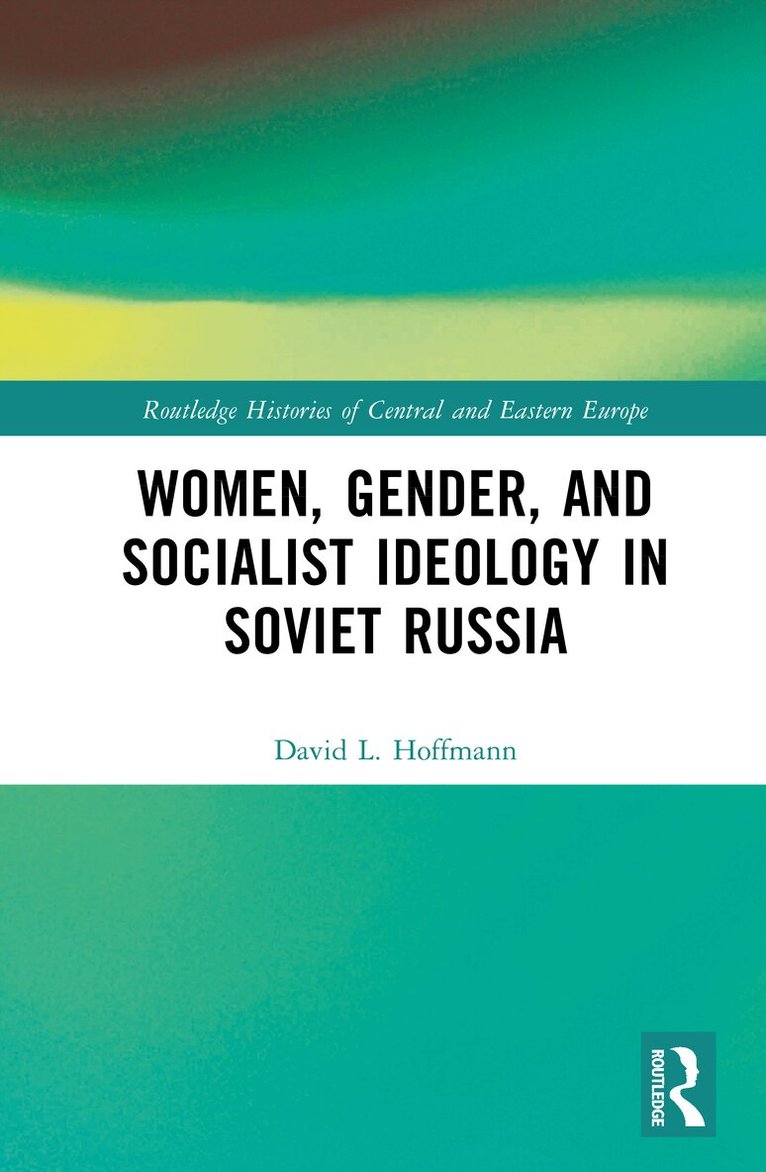
This book examines the place of women in Soviet Russia from the 1917 Revolution through the post-World War II period, discussing how the Soviet construction of gender perpetuated inequality even as it dramatically expanded women’s roles in society.
Chapters of this book explore Bolshevik activists’ ideals of women’s liberation and their failure to realize these ideals; the significance of women’s labor to the Soviet economy, alongside continued workplace discrimination; state reproductive policies and essentialist understandings of femininity; women’s World War II military service and representations of gender in postwar commemorations; and the role of socialist ideology in the formation of the Soviet system and Stalinist culture. Throughout, Hoffmann places Soviet history in its international context, including comparisons of Soviet women’s social positions with those of their counterparts in other countries. The book makes clear the centrality of the Soviet gender order to the country’s social, cultural, and political history, as well as providing an important historical case for understanding the broader struggle for women’s equality.
Intended for students and scholars alike, this book is a valuable resource for all those interested in gender history, Soviet history, labor history, and World War II.
829 kr
Läs direkt efter köp
This book examines the place of women in Soviet Russia from the 1917 Revolution through the post-World War II period, discussing how the Soviet construction of gender perpetuated inequality even as it dramatically expanded women’s roles in society.
Chapters of this book explore Bolshevik activists’ ideals of women’s liberation and their failure to realize these ideals; the significance of women’s labor to the Soviet economy, alongside continued workplace discrimination; state reproductive policies and essentialist understandings of femininity; women’s World War II military service and representations of gender in postwar commemorations; and the role of socialist ideology in the formation of the Soviet system and Stalinist culture. Throughout, Hoffmann places Soviet history in its international context, including comparisons of Soviet women’s social positions with those of their counterparts in other countries. The book makes clear the centrality of the Soviet gender order to the country’s social, cultural, and political history, as well as providing an important historical case for understanding the broader struggle for women’s equality.
Intended for students and scholars alike, this book is a valuable resource for all those interested in gender history, Soviet history, labor history, and World War II.
921 kr
Skickas inom 7-10 vardagar
370 kr
Läs direkt efter köp
370 kr
Läs direkt efter köp
136 kr
Läs direkt efter köp