716 kr
Skickas inom 10-15 vardagar
716 kr
Skickas inom 10-15 vardagar
502 kr
Skickas inom 7-10 vardagar
1 602 kr
Skickas inom 7-10 vardagar
309 kr
Skickas inom 7-10 vardagar
456 kr
Skickas inom 7-10 vardagar
342 kr
Skickas inom 7-10 vardagar
382 kr
Skickas inom 7-10 vardagar
214 kr
Skickas inom 7-10 vardagar
401 kr
Skickas inom 7-10 vardagar
229 kr
Skickas inom 7-10 vardagar
461 kr
Skickas inom 7-10 vardagar
349 kr
Skickas inom 7-10 vardagar
470 kr
Skickas inom 7-10 vardagar
352 kr
Skickas inom 7-10 vardagar
385 kr
Skickas inom 7-10 vardagar
242 kr
Skickas inom 7-10 vardagar
433 kr
Skickas inom 7-10 vardagar
314 kr
Skickas inom 7-10 vardagar
424 kr
Skickas inom 7-10 vardagar
410 kr
Skickas inom 7-10 vardagar
286 kr
Skickas inom 7-10 vardagar
213 kr
Skickas inom 7-10 vardagar
808 kr
Läs direkt efter köp
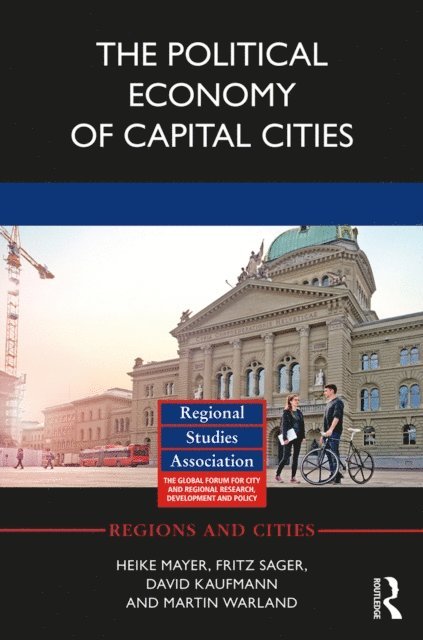
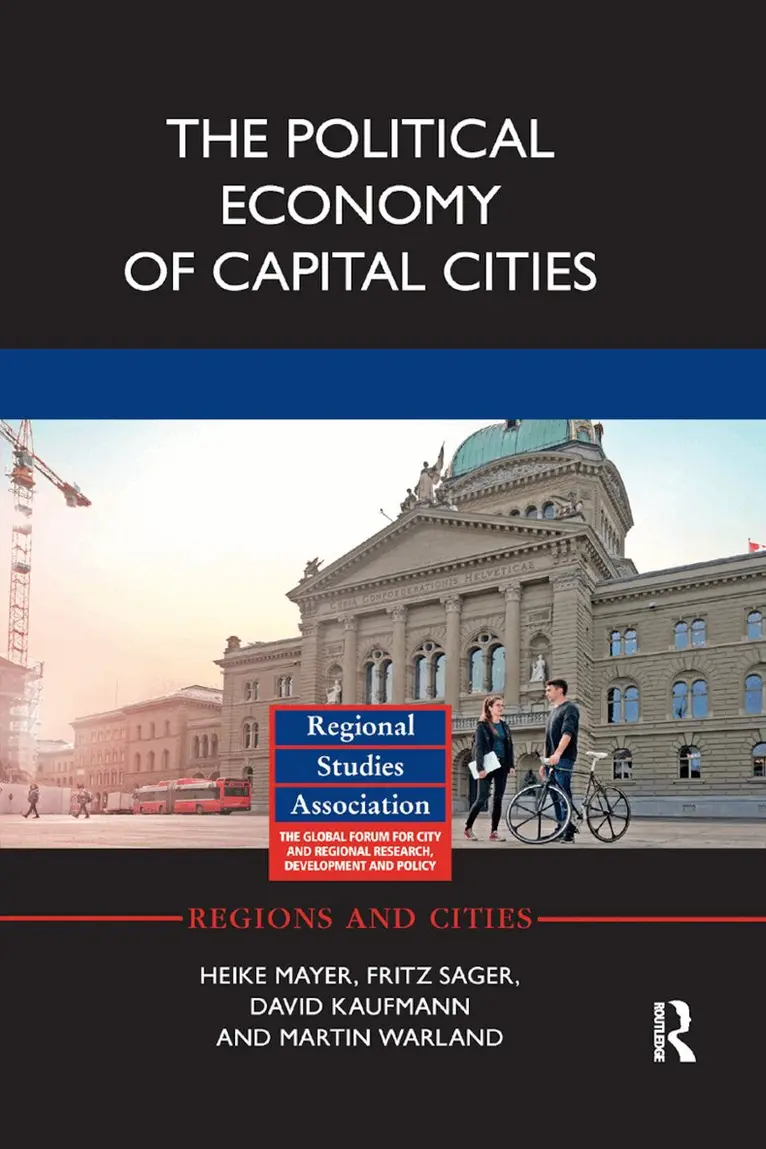
Capital cities that are not the dominant economic centers of their nations – so-called ‘secondary capital cities’ (SCCs) – tend to be overlooked in the fields of economic geography and political science. Yet, capital cities play an important role in shaping the political, economic, social and cultural identity of a nation. As the seat of power and decision-making, capital cities represent a nation’s identity not only through their symbolic architecture but also through their economies and through the ways in which they position themselves in national urban networks.
The Political Economy of Capital Cities aims to address this gap by presenting the dynamics that influence policy and economic development in four in-depth case studies examining the SCCs of Bern, Ottawa, The Hague and Washington, D.C. In contrast to traditional accounts of capital cities, this book conceptualizes the modern national capital as an innovation-driven economy influenced by national, local and regional actors. Nationally, overarching trends in the direction of outsourcing and tertiarization of the public-sector influence the fate of capital cities. Regional policymakers in all four of the highlighted cities leverage the presence of national government agencies and stimulate the economy by way of various locational policy strategies.
While accounting for their secondary status, this book illustrates how capital-city actors such as firms, national, regional and local governments, policymakers and planning practitioners are keenly aware of the unique status of their city. The conclusion provides practical recommendations for policymakers in SCCs and highlights ways in which they can help to promote economic development.
808 kr
Läs direkt efter köp
Capital cities that are not the dominant economic centers of their nations – so-called ‘secondary capital cities’ (SCCs) – tend to be overlooked in the fields of economic geography and political science. Yet, capital cities play an important role in shaping the political, economic, social and cultural identity of a nation. As the seat of power and decision-making, capital cities represent a nation’s identity not only through their symbolic architecture but also through their economies and through the ways in which they position themselves in national urban networks.
The Political Economy of Capital Cities aims to address this gap by presenting the dynamics that influence policy and economic development in four in-depth case studies examining the SCCs of Bern, Ottawa, The Hague and Washington, D.C. In contrast to traditional accounts of capital cities, this book conceptualizes the modern national capital as an innovation-driven economy influenced by national, local and regional actors. Nationally, overarching trends in the direction of outsourcing and tertiarization of the public-sector influence the fate of capital cities. Regional policymakers in all four of the highlighted cities leverage the presence of national government agencies and stimulate the economy by way of various locational policy strategies.
While accounting for their secondary status, this book illustrates how capital-city actors such as firms, national, regional and local governments, policymakers and planning practitioners are keenly aware of the unique status of their city. The conclusion provides practical recommendations for policymakers in SCCs and highlights ways in which they can help to promote economic development.
2 489 kr
Skickas inom 10-15 vardagar
181 kr
Skickas inom 7-10 vardagar
430 kr
Skickas inom 3-6 vardagar
1 801 kr
Skickas inom 7-10 vardagar
456 kr
Läs direkt efter köp
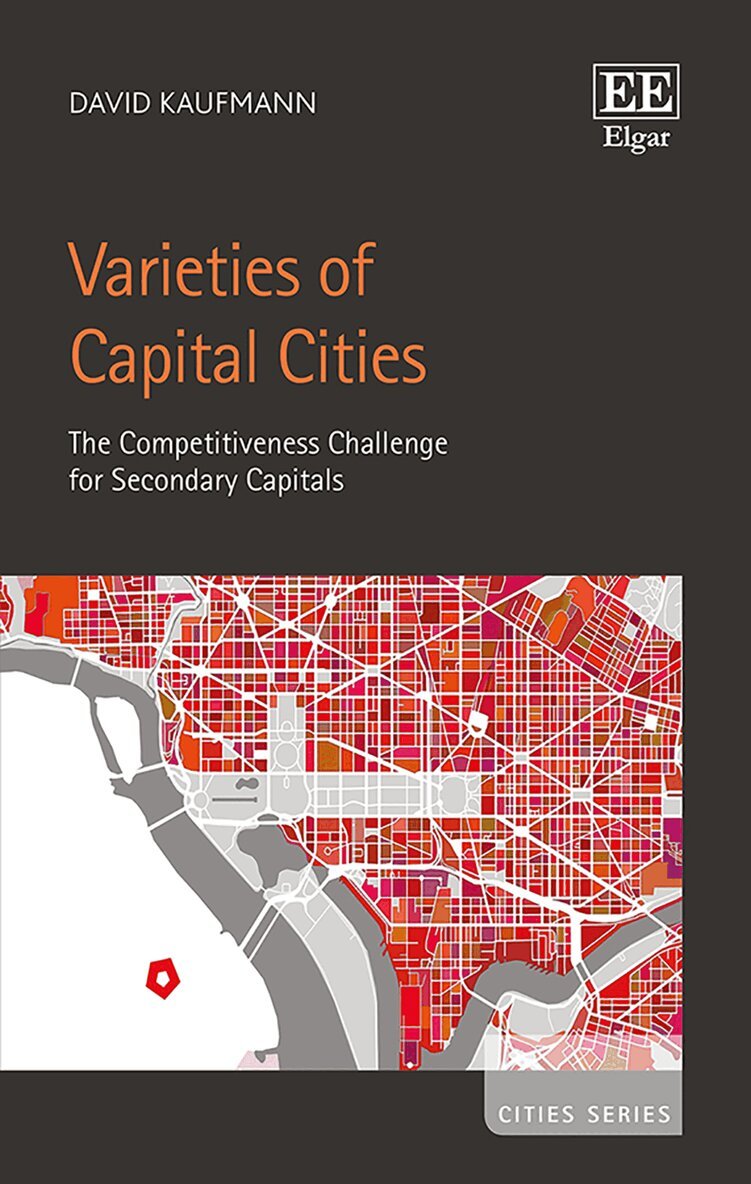
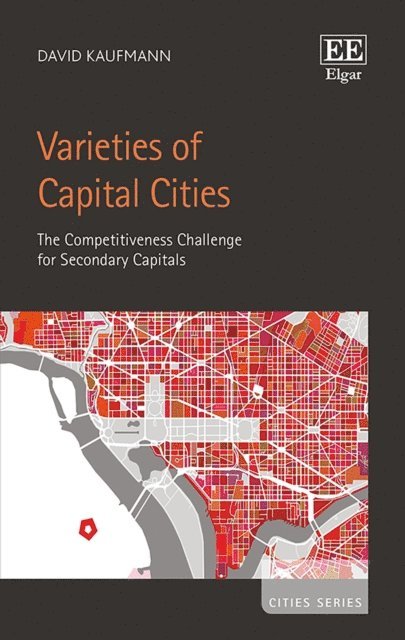
Varieties of Capital Cities offers empirically rich case studies of four secondary capital cities: Bern, Ottawa, The Hague, and Washington, D.C. Analysed with an innovative research framework, this book shows through its clearly structured analysis, that while the pressures facing these cities are the same, the mechanisms they employ to cope with them are very different. They have formulated a wide variety of policies to supplement their capital function with economically promising profiles, even though they cannot escape their destinies as government cities.
This book is an impressive contribution to an area of study largely neglected by urban studies, political science, and economic geography. With vital lessons for urban policy makers, the interested practitioner will find a pool of inspiration for their urban strategies. Students and scholars of these subjects will find this book interesting, and will also find it invaluable as a lesson for how to develop and execute comparative case studies.
216 kr
Skickas inom 7-10 vardagar