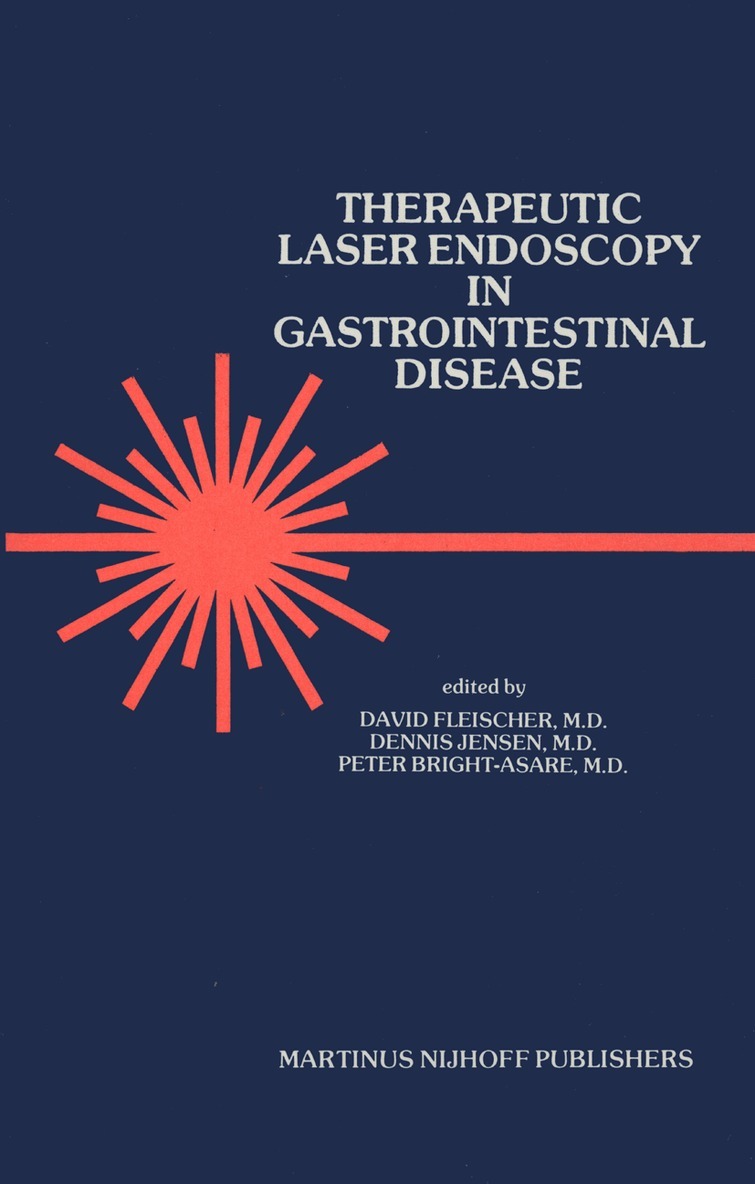
Therapeutic Laser Endoscopy in Gastrointestinal Disease
1 685 kr
Skickas inom 10-15 vardagar
1 685 kr
Skickas inom 10-15 vardagar
1 395 kr
Läs direkt efter köp
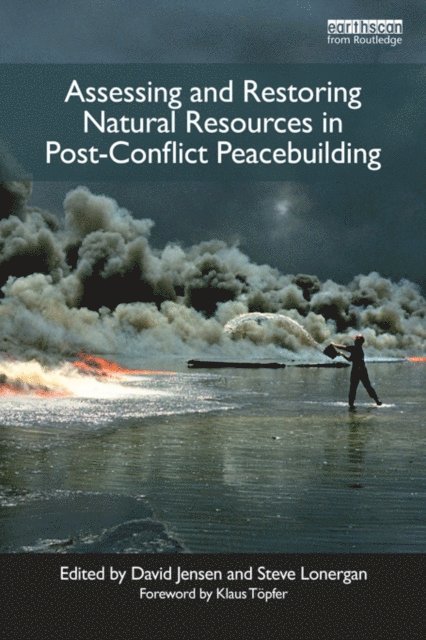
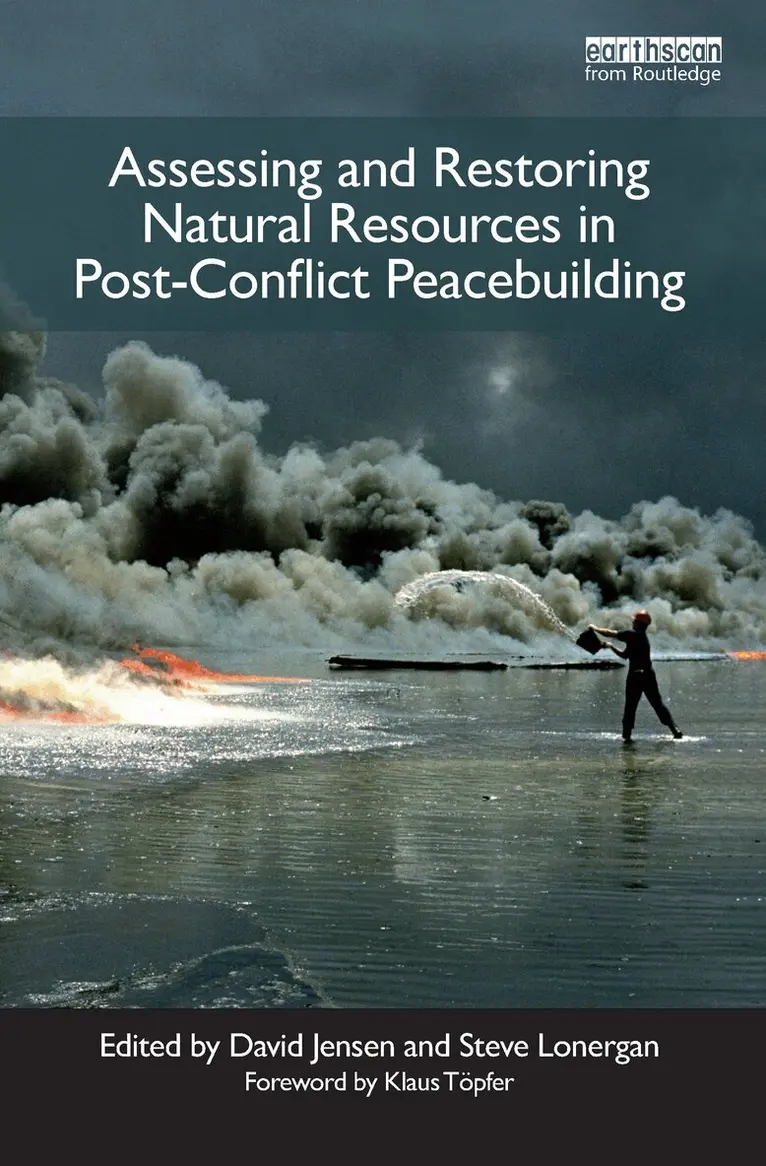
When a country emerges from violent conflict, the management of the environment and natural resources has important implications for short-term peacebuilding and long-term stability, particularly if natural resources were a factor in the conflict, play a major role in the national economy, or broadly support livelihoods. Only recently, however, have the assessment, harnessing, and restoration of the natural resource base become essential components of postconflict peacebuilding.
This book, by thirty-five authors, examines the experiences of more than twenty countries and territories in assessing post-conflict environmental damage and natural resource degradation and their implications for human health, livelihoods, and security. The book also illustrates how an understanding of both the risks and opportunities associated with natural resources can help decision makers manage natural resources in ways that create jobs, sustain livelihoods, and contribute to economic recovery and reconciliation, without creating new grievances or significant environmental degradation. Finally, the book offers lessons from the remediation of environmental hot spots, restoration of damaged ecosystems, and reconstruction of the environmental services and infrastructure necessary for a sustainable peace.
Assessing and Restoring Natural Resources in Post-Conflict Peacebuilding is part of a global initiative to identify and analyze lessons in post-conflict peacebuilding and natural resource management. The project has generated six books of case studies and analyses, with contributions by practitioners, policy makers, and researchers. Other books address highvalue resources, land, water, livelihoods, and governance.
1 406 kr
Läs direkt efter köp
When a country emerges from violent conflict, the management of the environment and natural resources has important implications for short-term peacebuilding and long-term stability, particularly if natural resources were a factor in the conflict, play a major role in the national economy, or broadly support livelihoods. Only recently, however, have the assessment, harnessing, and restoration of the natural resource base become essential components of postconflict peacebuilding.
This book, by thirty-five authors, examines the experiences of more than twenty countries and territories in assessing post-conflict environmental damage and natural resource degradation and their implications for human health, livelihoods, and security. The book also illustrates how an understanding of both the risks and opportunities associated with natural resources can help decision makers manage natural resources in ways that create jobs, sustain livelihoods, and contribute to economic recovery and reconciliation, without creating new grievances or significant environmental degradation. Finally, the book offers lessons from the remediation of environmental hot spots, restoration of damaged ecosystems, and reconstruction of the environmental services and infrastructure necessary for a sustainable peace.
Assessing and Restoring Natural Resources in Post-Conflict Peacebuilding is part of a global initiative to identify and analyze lessons in post-conflict peacebuilding and natural resource management. The project has generated six books of case studies and analyses, with contributions by practitioners, policy makers, and researchers. Other books address highvalue resources, land, water, livelihoods, and governance.
2 311 kr
Skickas inom 10-15 vardagar
57 kr
Läs direkt efter köp
54 kr
Läs direkt efter köp
54 kr
Läs direkt efter köp
57 kr
Läs direkt efter köp
11 kr
Läs direkt efter köp
32 kr
Läs direkt efter köp
46 kr
Läs direkt efter köp
22 kr
Läs direkt efter köp
22 kr
Läs direkt efter köp
43 kr
Läs direkt efter köp
11 kr
Läs direkt efter köp
22 kr
Läs direkt efter köp
32 kr
Läs direkt efter köp
20 kr
Läs direkt efter köp
10 kr
Läs direkt efter köp
54 kr
Läs direkt efter köp
11 kr
Läs direkt efter köp
11 kr
Läs direkt efter köp
55 kr
Läs direkt efter köp
32 kr
Läs direkt efter köp
55 kr
Läs direkt efter köp
22 kr
Läs direkt efter köp
43 kr
Läs direkt efter köp
205 kr
Skickas inom 7-10 vardagar
623 kr
Skickas inom 10-15 vardagar
923 kr
Läs direkt efter köp
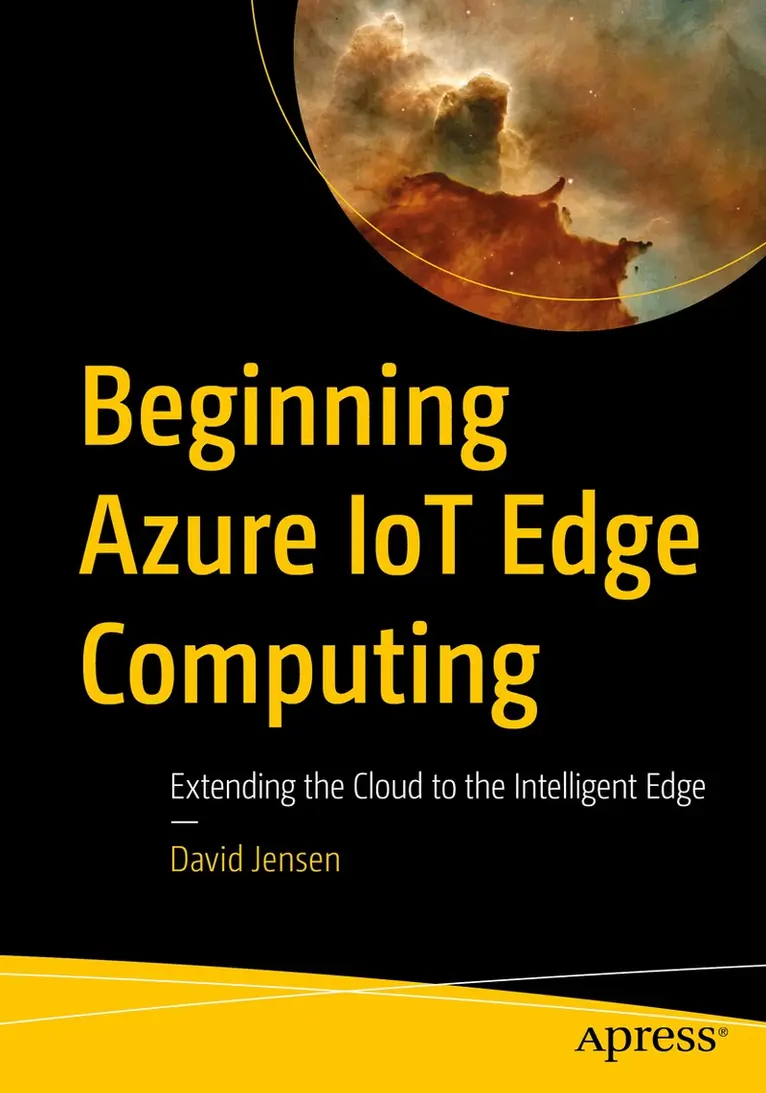
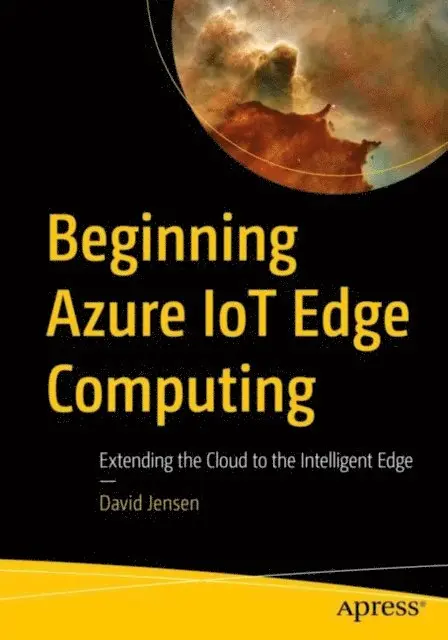
Use a step-by-step process to create and deploy your first Azure IoT Edge solution.
Modern day developers and architects in today’s cloud-focused world must understand when it makes sense to leverage the cloud. Computing on the edge is a new paradigm for most people. The Azure IoT Edge platform uses many existing technologies that may be familiar to developers, but understanding how to leverage those technologies in an edge computing scenario can be challenging.
Beginning Azure IoT Edge Computing demystifies computing on the edge and explains, through concrete examples and exercises, how and when to leverage the power of intelligent edge computing. It introduces the possibilities of intelligent edge computing using the Azure IoT Edge platform, and guides you through hands-on exercises to make edge computing approachable, understandable, and highly useful.
Through user-friendlydiscussion you will not only understand how to build edge solutions, but also when to build them. By explaining some common solution patterns, the decision on when to use the cloud and when to avoid the cloud will become much clearer.
What You''ll Learn
Create and deploy Azure IoT Edge solutionsRecognize when to leverage the intelligent edge pattern and when to avoid itLeverage the available developer tooling to develop and debug IoT Edge solutionsKnow which off-the-shelf edge computing modules are availableBecome familiar with some of the lesser-known device protocols used in conjunction with edge computingUnderstand how to securely deploy and bootstrap an IoT Edge deviceExplore related topics such as containers and secure device provisioningWho This Book Is ForDevelopers or architects who want to understand edge computing and when and where to use it. Readers should be familiar with C# or Python and have a high-level understanding of the Azure IoT platform.