217 kr
Skickas inom 7-10 vardagar
217 kr
Skickas inom 7-10 vardagar
408 kr
Läs direkt efter köp
3 223 kr
Skickas inom 7-10 vardagar
727 kr
Skickas inom 7-10 vardagar
661 kr
Läs direkt efter köp
551 kr
Skickas inom 10-15 vardagar
597 kr
Skickas inom 10-15 vardagar
2 114 kr
Skickas inom 10-15 vardagar
3 047 kr
Skickas inom 10-15 vardagar
1 122 kr
Skickas inom 10-15 vardagar
2 490 kr
Skickas inom 10-15 vardagar
2 810 kr
Skickas inom 10-15 vardagar
950 kr
Skickas inom 7-10 vardagar
931 kr
Skickas inom 10-15 vardagar
2 526 kr
Skickas inom 10-15 vardagar
915 kr
Skickas inom 10-15 vardagar
568 kr
Skickas inom 7-10 vardagar
239 kr
Läs direkt efter köp
823 kr
Skickas inom 10-15 vardagar
360 kr
Skickas inom 10-15 vardagar
101 kr
Läs direkt efter köp
101 kr
Läs direkt efter köp
785 kr
Läs direkt efter köp
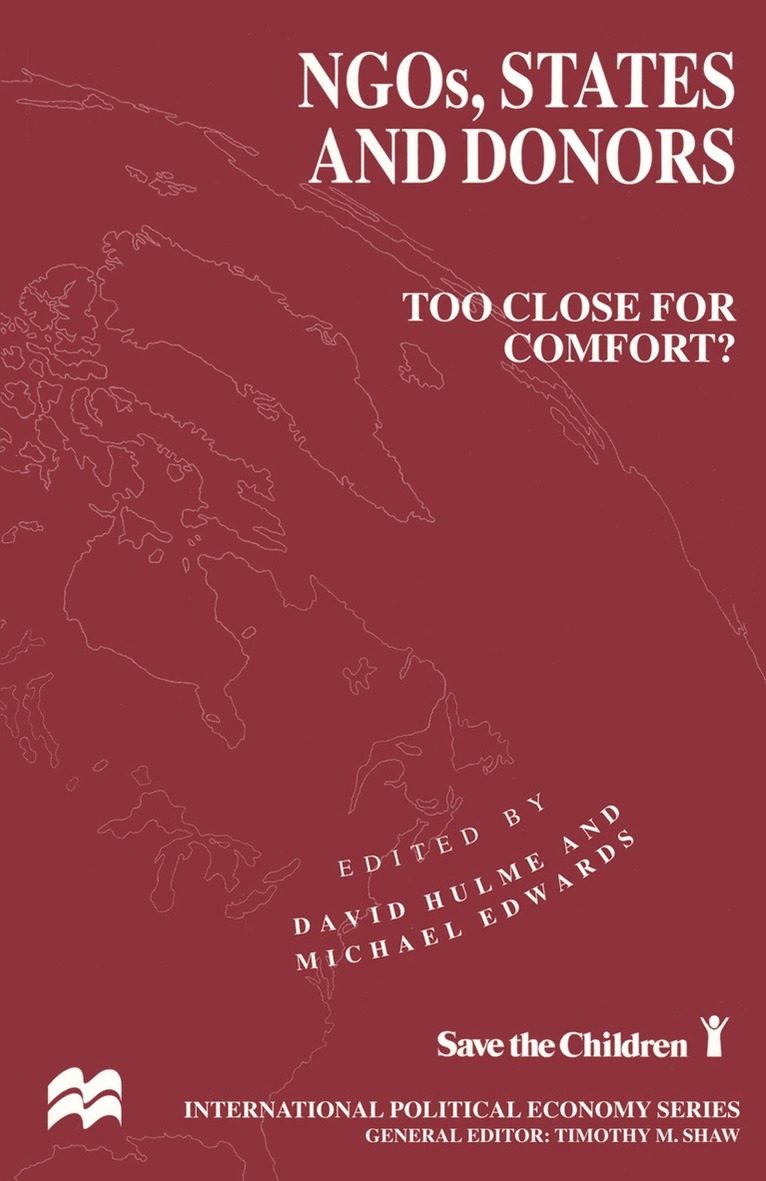
The last decade has seen some significant changes in international development and in the status of non-governmental organisations operating in the field. Not only has the number of NGOs virtually doubled; many of them have seen a considerable growth in their budgets, and have grown closer to governments and official aid agencies. NGOs are acknowledged by many to be more effective agents of development than governments or commercial interests ? even as a ?magic bullet? for development problems.
Despite these positive trends, the real impact of the NGO sector is not well documented. This is partly because NGO performance-assessment and accountability methods are weak, and partly because NGOs are caught up increasingly in the world of official aid, which pushes them towards certain forms of evaluation at the expense of others. This unique book takes a hard and critical look at these issues, and describes how NGOs can, and must, improve the way they measure and account for their performance if they are to be truly effective.
686 kr
Läs direkt efter köp
The last decade has seen some significant changes in international development and in the status of non-governmental organisations operating in the field. Not only has the number of NGOs virtually doubled; many of them have seen a considerable growth in their budgets, and have grown closer to governments and official aid agencies. NGOs are acknowledged by many to be more effective agents of development than governments or commercial interests ? even as a ?magic bullet? for development problems.
Despite these positive trends, the real impact of the NGO sector is not well documented. This is partly because NGO performance-assessment and accountability methods are weak, and partly because NGOs are caught up increasingly in the world of official aid, which pushes them towards certain forms of evaluation at the expense of others. This unique book takes a hard and critical look at these issues, and describes how NGOs can, and must, improve the way they measure and account for their performance if they are to be truly effective.
1 106 kr
Läs direkt efter köp
1 098 kr
Läs direkt efter köp
1 074 kr
Läs direkt efter köp
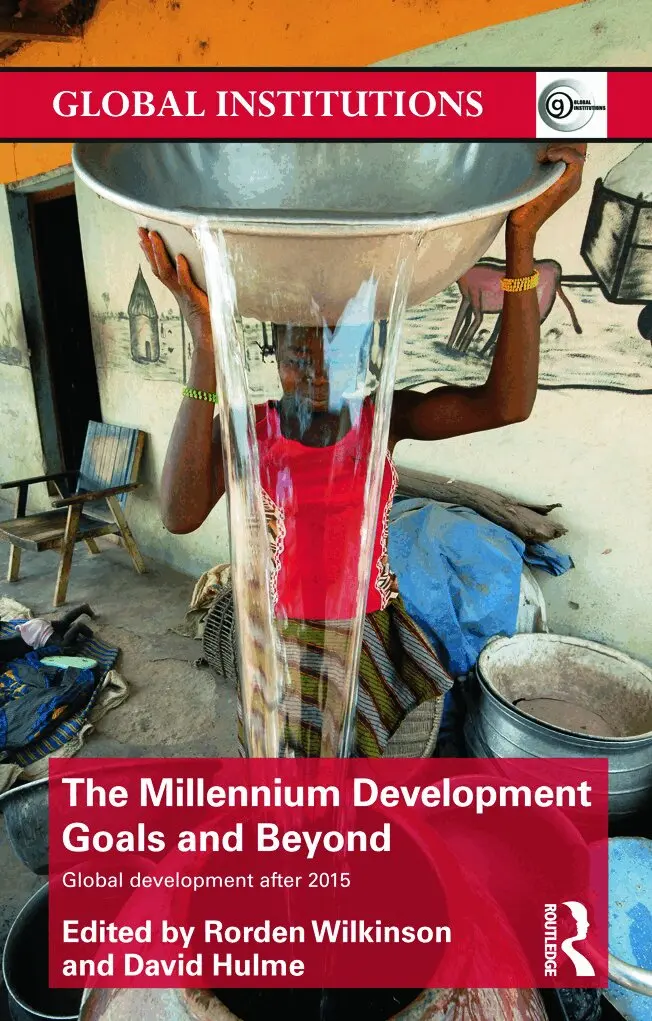
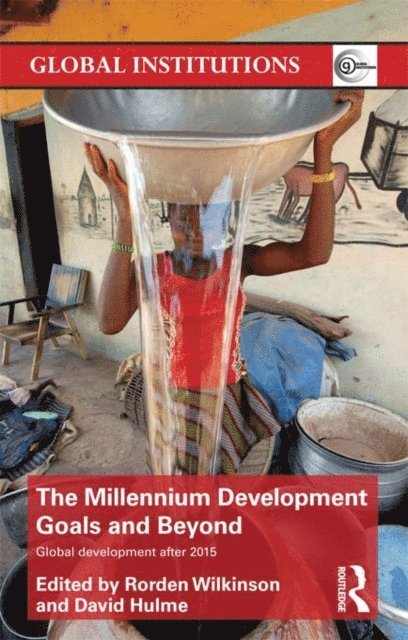
The Millennium Development Goals (MDGs) have contributed to reductions in poverty and improvements in the human condition in many parts of the world since their "invention" in 2000 and 2001. It nonetheless remains the case that today, as on all the previous days of the twenty-first century, almost one billion people will go hungry.
Debates about whether the MDGs have made a positive contribution to poverty eradication and/or whether they have achieved as much as they should have done are becoming more frequent as 2015 and the "end of the MDGs" approaches. This book highlights that active debate about what the MDGs have achieved and what that means for the crafting of a post-2015 international framework for action, must become a priority. The work begins by examining the global context of the goals from a variety of perspectives, and moves on to focus on the region that continues to be the most impoverished and which looks likely to fall short of meeting many of the MDGs: Africa.
Presenting both a broad overview of the issues and drawing together prestigious scholars and practitioners from a variety of fields, this work provides a significant contribution to debates surrounding both global poverty and the success and future of the MDGs.
711 kr
Skickas inom 10-15 vardagar
641 kr
Läs direkt efter köp