2 996 kr
Skickas inom 10-15 vardagar
2 996 kr
Skickas inom 10-15 vardagar
790 kr
Skickas inom 10-15 vardagar
Taylor & Francis Ltd
23 172 kr
Skickas inom 7-10 vardagar
2 426 kr
Skickas inom 10-15 vardagar
710 kr
Skickas inom 10-15 vardagar
2 979 kr
Skickas inom 10-15 vardagar
799 kr
Skickas inom 10-15 vardagar
248 kr
Skickas inom 7-10 vardagar
445 kr
Skickas inom 7-10 vardagar
328 kr
Skickas inom 7-10 vardagar
525 kr
Skickas inom 7-10 vardagar
461 kr
Skickas inom 7-10 vardagar
356 kr
Skickas inom 7-10 vardagar
393 kr
Skickas inom 7-10 vardagar
382 kr
Skickas inom 7-10 vardagar
350 kr
Skickas inom 7-10 vardagar
481 kr
Skickas inom 7-10 vardagar
442 kr
Skickas inom 7-10 vardagar
242 kr
Skickas inom 7-10 vardagar
176 kr
Skickas inom 7-10 vardagar
365 kr
Skickas inom 7-10 vardagar
312 kr
Skickas inom 7-10 vardagar
514 kr
Skickas inom 7-10 vardagar
393 kr
Skickas inom 7-10 vardagar
662 kr
Skickas inom 7-10 vardagar
792 kr
Skickas inom 7-10 vardagar
926 kr
Läs direkt efter köp
Rethinking Teacher Education is a thorough and critical analysis of the ambivalences and uncertainties that face those in teacher education. The authors draw on their different experiences of teacher education to try to make sense of current practices and where they might lead.The book analyzes past and present constructions of teacher education and offers insights into how a re-evaluation might address teachers'' positions in relation to knowledge, learners, economic demands and democratic values. The issues addressed include:* political and economic uncertainty and teacher education* philosophical uncertainty and teacher education* modernist policy solutions* psychology: an agent of modernity in teacher education* sociocultural and other collaborative responses to uncertainty.The book will be of interest to all those involved in teacher education, including sociologists, psychologists and philosophers of education.
926 kr
Läs direkt efter köp
Rethinking Teacher Education is a thorough and critical analysis of the ambivalences and uncertainties that face those in teacher education. The authors draw on their different experiences of teacher education to try to make sense of current practices and where they might lead.The book analyzes past and present constructions of teacher education and offers insights into how a re-evaluation might address teachers'' positions in relation to knowledge, learners, economic demands and democratic values. The issues addressed include:* political and economic uncertainty and teacher education* philosophical uncertainty and teacher education* modernist policy solutions* psychology: an agent of modernity in teacher education* sociocultural and other collaborative responses to uncertainty.The book will be of interest to all those involved in teacher education, including sociologists, psychologists and philosophers of education.
836 kr
Läs direkt efter köp
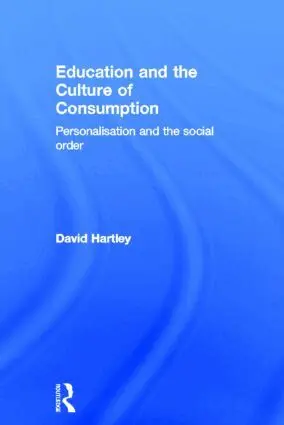
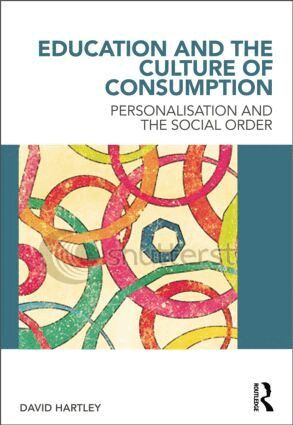
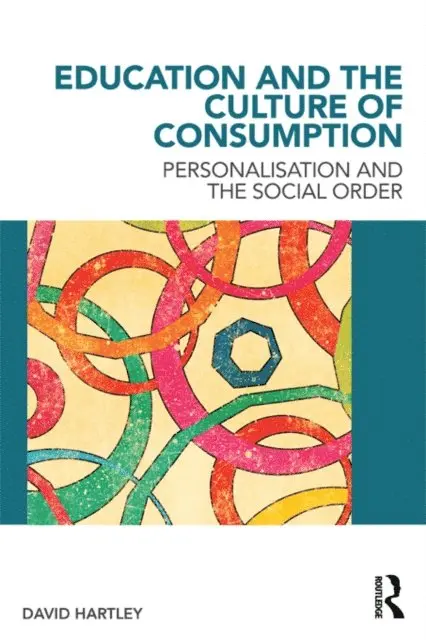
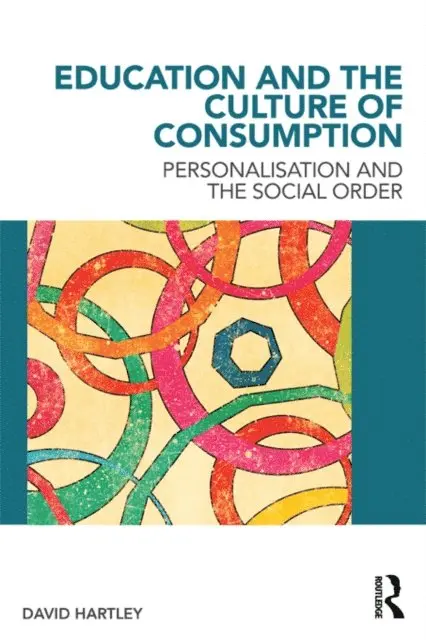
For nearly 200 years the organisational form of the school has changed little. Bureaucracy has been its enduring form. The school has prepared the worker for the factory of mass production. It has created the ''mass consumer'' to be content with accepting what is on offer, not what is wanted. However, a ‘revised’ educational code appears to be emerging. This code centres upon the concept of ‘personalisation’, which operates at two levels: first, as a new mode of public service delivery; and second, as a new ‘grammar’ for the school, with new flexibilities of structure and pedagogical process. Personalisation has its intellectual roots in marketing theory, not in educational theory and is the facilitator of ''education for consumption''. It allows for the ''market'' to suffuse even more the fabric of education, albeit under the democratic-sounding call of freedom of choice.
Education and the Culture of Consumption raises many questions about personalisation which policy-makers seem prone to avoid:
Why, now, are we concerned about personalisation?
What are its theoretical foundations?
What are its pedagogical, curricular and organisational consequences?
What are the consequences for social justification of personalisation?
Does personalisation diminish the socialising function of the school, or does it simply mean that the only thing we share is that we have the right to personalised service?
All this leads the author to consider an important question for education: does personalisation mark a new regulatory code for education, one which corresponds with both the new work-order of production and with the makeover-prone tendencies of consumers?
The book will be of great interest to postgraduate students and academics studying in the fields of education policy and the social foundations of education, and will also be relevant to students studying public policy, especially health care and social care, and public management.
842 kr
Läs direkt efter köp
For nearly 200 years the organisational form of the school has changed little. Bureaucracy has been its enduring form. The school has prepared the worker for the factory of mass production. It has created the ''mass consumer'' to be content with accepting what is on offer, not what is wanted. However, a ‘revised’ educational code appears to be emerging. This code centres upon the concept of ‘personalisation’, which operates at two levels: first, as a new mode of public service delivery; and second, as a new ‘grammar’ for the school, with new flexibilities of structure and pedagogical process. Personalisation has its intellectual roots in marketing theory, not in educational theory and is the facilitator of ''education for consumption''. It allows for the ''market'' to suffuse even more the fabric of education, albeit under the democratic-sounding call of freedom of choice.
Education and the Culture of Consumption raises many questions about personalisation which policy-makers seem prone to avoid:
Why, now, are we concerned about personalisation?
What are its theoretical foundations?
What are its pedagogical, curricular and organisational consequences?
What are the consequences for social justification of personalisation?
Does personalisation diminish the socialising function of the school, or does it simply mean that the only thing we share is that we have the right to personalised service?
All this leads the author to consider an important question for education: does personalisation mark a new regulatory code for education, one which corresponds with both the new work-order of production and with the makeover-prone tendencies of consumers?
The book will be of great interest to postgraduate students and academics studying in the fields of education policy and the social foundations of education, and will also be relevant to students studying public policy, especially health care and social care, and public management.