243 kr
Skickas
243 kr
Skickas
338 kr
Skickas inom 7-10 vardagar
334 kr
Skickas inom 3-6 vardagar
186 kr
Skickas
182 kr
Skickas
164 kr
Skickas
137 kr
Skickas
267 kr
Skickas inom 7-10 vardagar
88 kr
Läs direkt efter köp
277 kr
Lyssna direkt efter köp
137 kr
Läs direkt efter köp
147 kr
Läs direkt efter köp
362 kr
Skickas inom 3-6 vardagar
108 kr
Läs direkt efter köp
328 kr
Kommande
1 143 kr
Skickas inom 7-10 vardagar
622 kr
Skickas inom 10-15 vardagar
2 601 kr
Skickas inom 10-15 vardagar
656 kr
Skickas inom 10-15 vardagar
105 kr
Läs direkt efter köp
287 kr
Skickas inom 7-10 vardagar
422 kr
Skickas inom 7-10 vardagar
324 kr
Läs direkt efter köp
510 kr
Skickas inom 3-6 vardagar
727 kr
Läs direkt efter köp
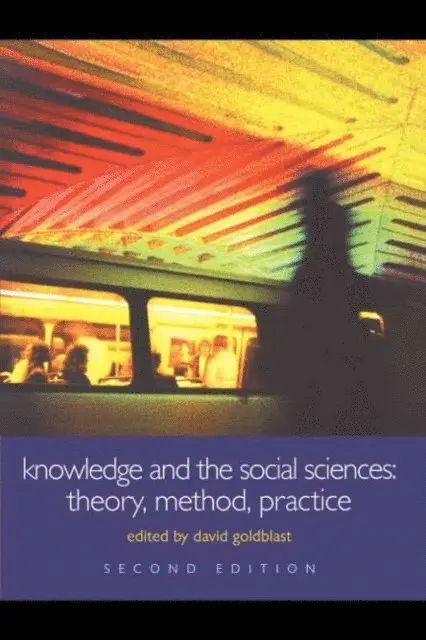
Knowledge and the Social Sciences takes as its point of departure the claims that all forms of knowledge, the social sciences included, must be seen and understood in their social context. It argues that the social sciences both describe and transform their object of study, though rarely in ways that social scientists intend, and introduces students to the key epistemological and philosophical terms and issues essential for further study in the social sciences.In a radical and yet lucid and practical introduction to ways of thinking and knowing in the social sciences this text investigates:* the origins and consequences of different types of knowledge in substantive areas of social change: medical practice, religious beliefs, and the environment* whether there is a decline in public trust of expert knowledge systems* whether we are entering a knowledge society, a fragmented post-modern society, or a risk society.
1 051 kr
Läs direkt efter köp
1 051 kr
Läs direkt efter köp
745 kr
Läs direkt efter köp
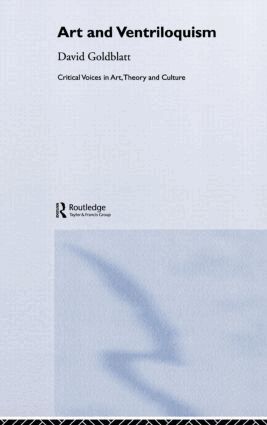
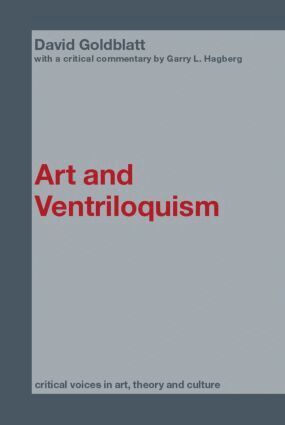
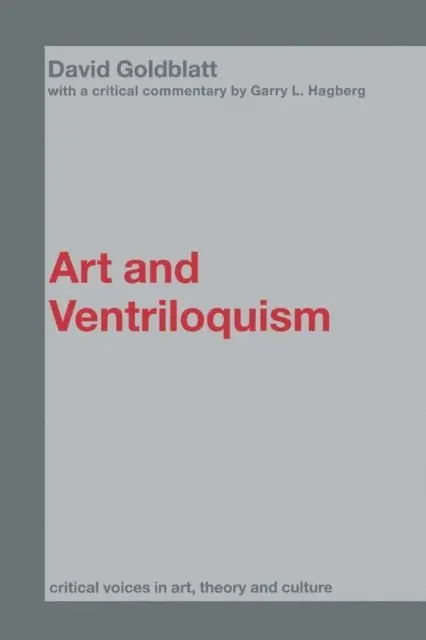
This exciting collection of David Goldblatt''s essays, available for the first time in one volume, uses the metaphor of ventriloquism to help understand a variety of art world phenomena. It examines how the vocal vacillation between ventriloquist and dummy works within the roles of artist, artwork and audience as a conveyance to the audience of the performer''s intentions, emotions and beliefs through a created performative persona. Considering key works, including those of Nietzsche, Foucault, Socrates, Derrida, Cavell and Wittgenstein, Goldblatt examines how the authors use the framework of ventriloquism to construct and negate issues in art and architecture. He ponders ''self-plagiarism''; why the classic philosopher cannot speak for himself, but must voice his thoughts through fictional characters or inanimate objects and works. With a close analysis of two ventriloquist paintings by Jasper Johns and Paul Klee, a critical commentary by Garry L. Hagberg, and preface by series editor Saul Ostrow, Goldblatt''s thoroughly fascinating book will be an invaluable asset to students of cultural studies, art, and philosophy.
740 kr
Läs direkt efter köp
This exciting collection of David Goldblatt''s essays, available for the first time in one volume, uses the metaphor of ventriloquism to help understand a variety of art world phenomena. It examines how the vocal vacillation between ventriloquist and dummy works within the roles of artist, artwork and audience as a conveyance to the audience of the performer''s intentions, emotions and beliefs through a created performative persona. Considering key works, including those of Nietzsche, Foucault, Socrates, Derrida, Cavell and Wittgenstein, Goldblatt examines how the authors use the framework of ventriloquism to construct and negate issues in art and architecture. He ponders ''self-plagiarism''; why the classic philosopher cannot speak for himself, but must voice his thoughts through fictional characters or inanimate objects and works. With a close analysis of two ventriloquist paintings by Jasper Johns and Paul Klee, a critical commentary by Garry L. Hagberg, and preface by series editor Saul Ostrow, Goldblatt''s thoroughly fascinating book will be an invaluable asset to students of cultural studies, art, and philosophy.