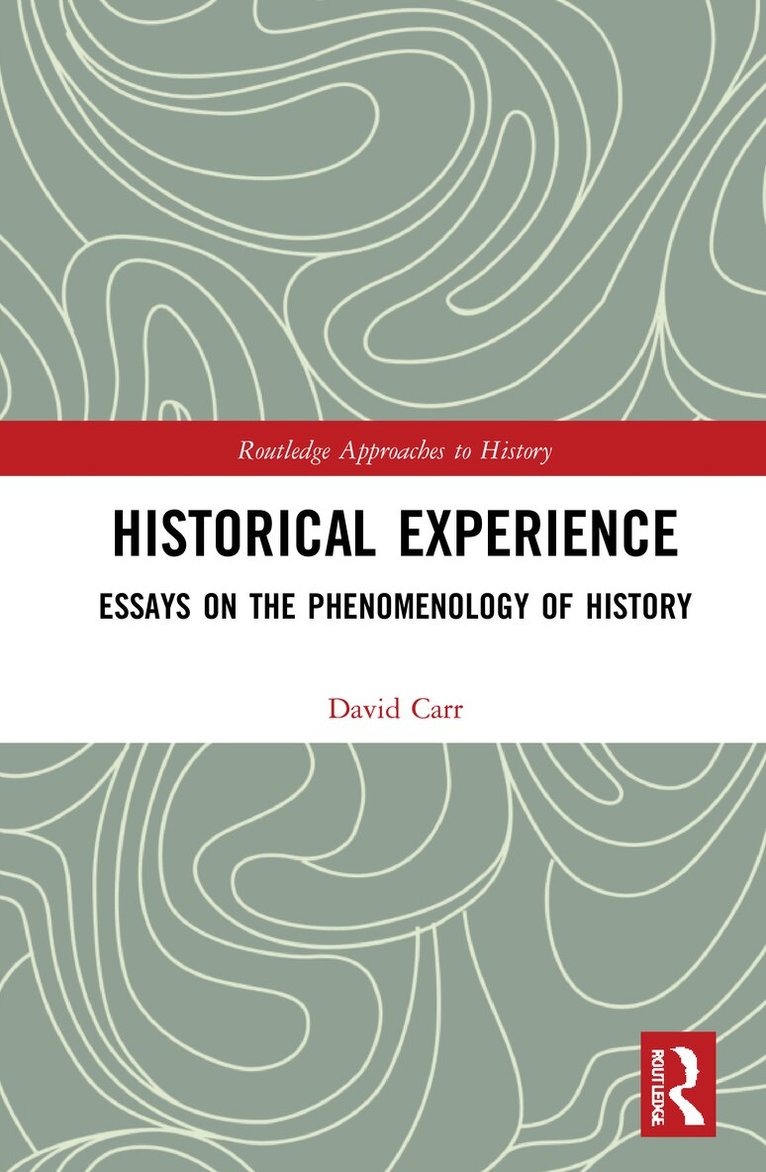
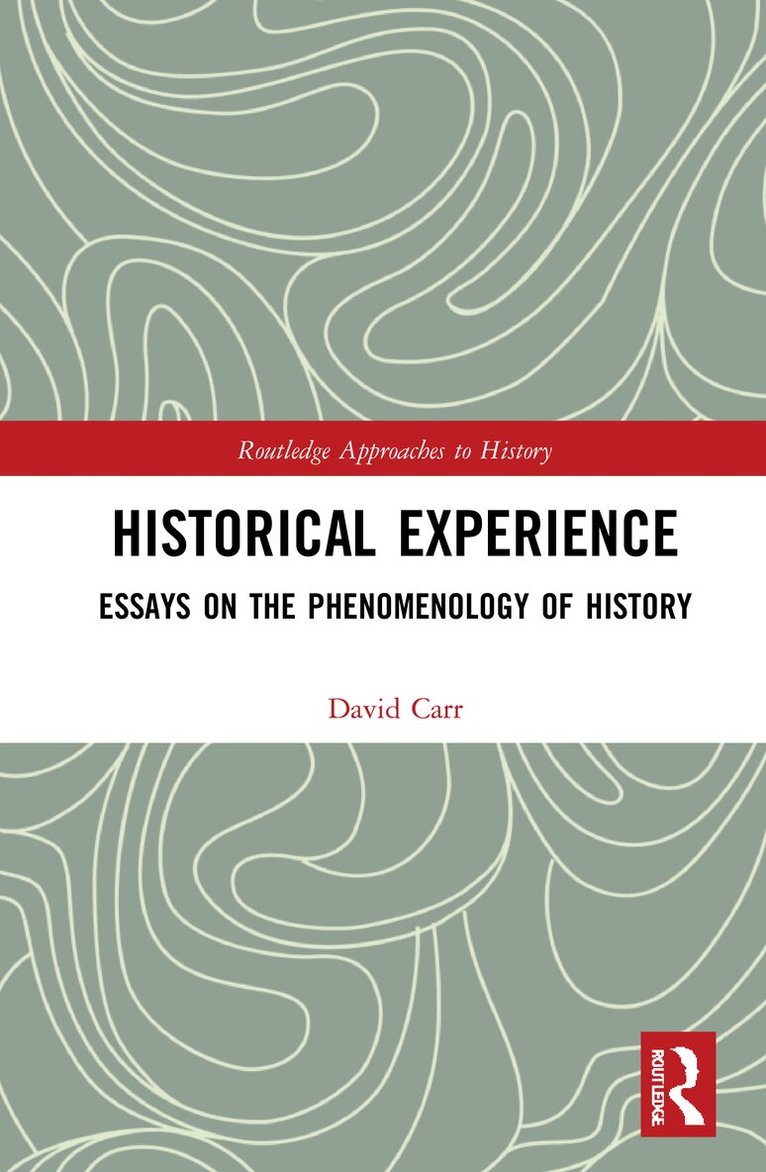
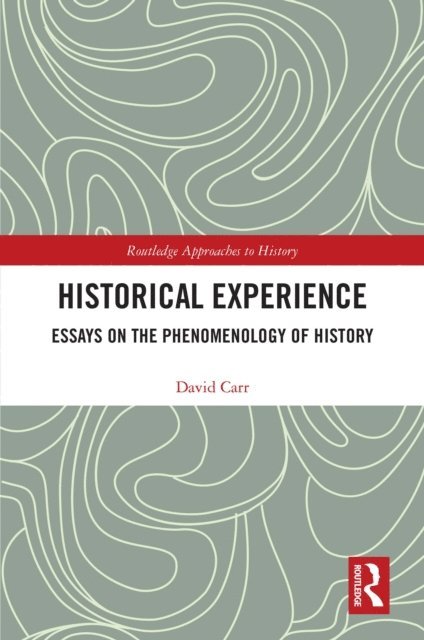
This volume brings together a collection of recent essays on the philosophy and theory of history.
This is a field of lively interdisciplinary discussion and research, to which historians, philosophers and theorists of culture and literature have contributed. The author is a philosopher by training, and his inspiration comes primarily from the continental-phenomenological tradition. Thus the influence of Husserl, Heidegger, Merleau-Ponty and Ricoeur can be discerned here. This background opens up a unique perspective on the issues under discussion. Phenomenology differs from other philosophical approaches, like metaphysics and epistemology. Phenomenology asks, of anything that exists or may exist: how is it given, how does it enter our experience, what is our experience of it like? Very broadly we can say: phenomenology is about experience. At first glance, this approach may seem ill-suited to history. In our language, “history†usually means either 1) what happened, i.e. past events, or 2) our knowledge of what happened. We can’t experience past events, and whatever knowledge we have of them must come from other sources—memory, testimony, physical traces. But the author maintains that we actually do experience historical events, and these essays explain how this is so.
Sitting at the intersection of philosophy and history, and divided into three parts—Historicity, Narrative, and Time, Teleology and History, and Embodiment and Experience—this is the ideal volume for those interested in experience from a philosophical and historical perspective.