2 914 kr
Skickas inom 10-15 vardagar
2 914 kr
Skickas inom 10-15 vardagar
751 kr
Skickas inom 10-15 vardagar
718 kr
Skickas inom 10-15 vardagar
2 534 kr
Skickas inom 10-15 vardagar
698 kr
Skickas inom 10-15 vardagar
549 kr
Skickas inom 10-15 vardagar
698 kr
Skickas inom 10-15 vardagar
2 914 kr
Skickas inom 10-15 vardagar
870 kr
Skickas inom 10-15 vardagar
2 610 kr
Skickas inom 10-15 vardagar
2 610 kr
Skickas inom 10-15 vardagar
779 kr
Skickas inom 10-15 vardagar
876 kr
Läs direkt efter köp
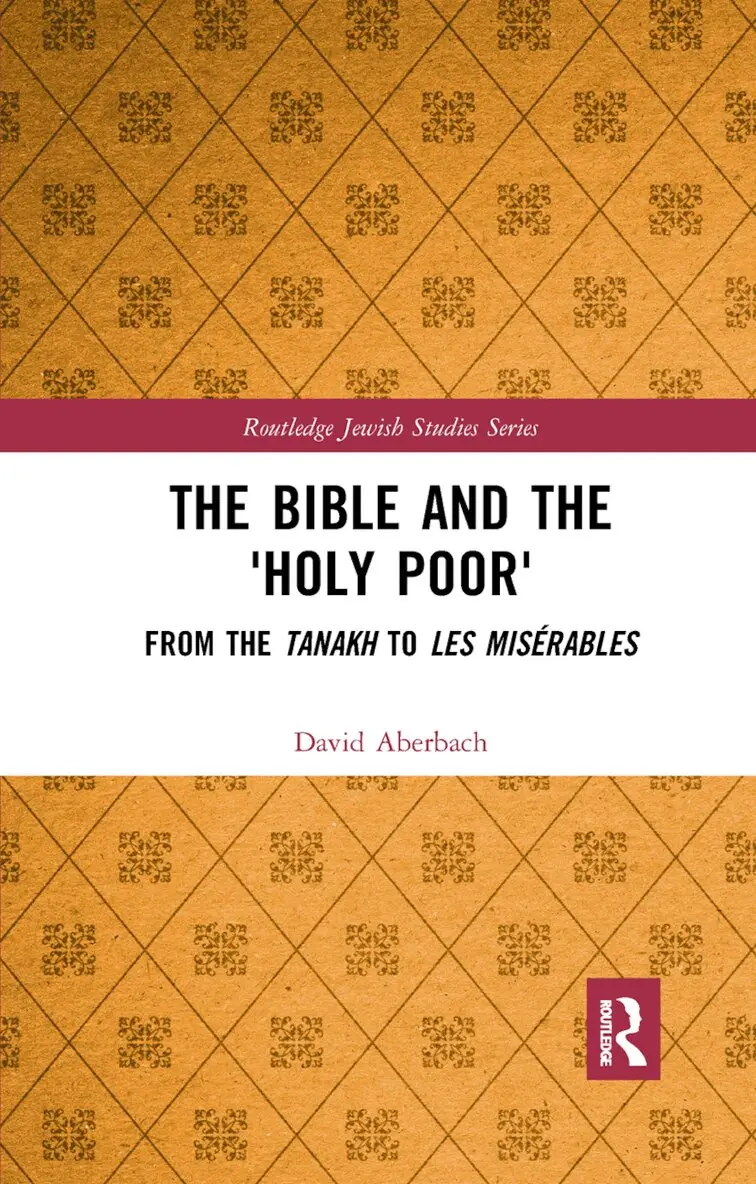
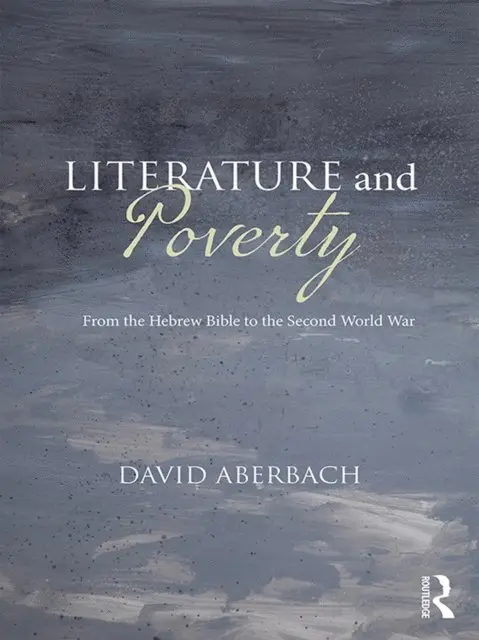
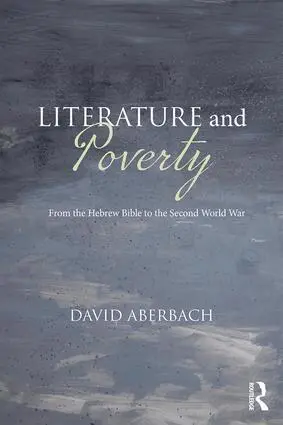
Literature and Poverty offers an engaging overview of changes in literary perceptions of poverty and the poor. Part I of the book, from the Hebrew Bible to the French Revolution, provides essential background information. It introduces the Scriptural ideal of the ‘holy poor’ and the process by which biblical love of the poor came to be contested and undermined in European legislation and public opinion as capitalism grew and the state took over from the Church; Part II, from the French Revolution to World War II, shows how post-1789 problems of industrialization, population growth, war, and urbanization came to dominate much European literature, as poverty and the poor became central concerns of major writers such as Dickens, Dostoyevsky, and Hugo.
David Aberbach uses literature – from the Bible, through Shakespeare, Wordsworth, Zola, Pushkin, and Orwell – to show how poverty changed from being an endemic and unavoidable fact of life, to a challenge for equality that might be attainable through a moral and rational society. As a literary and social history of poverty, this book argues for the vital importance of literature and the arts in understanding current problems in International Development.
857 kr
Läs direkt efter köp
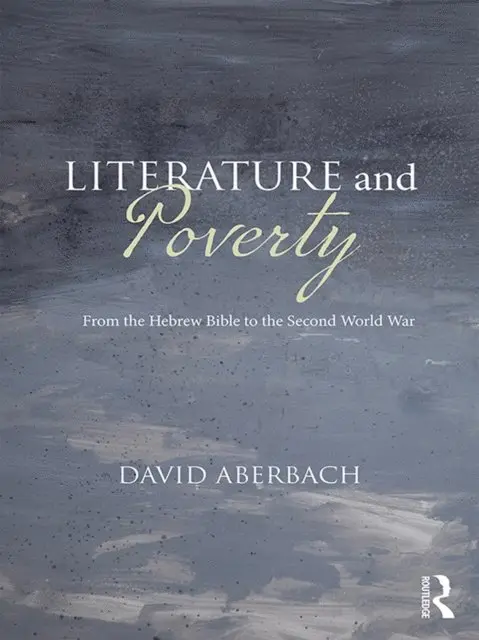
Literature and Poverty offers an engaging overview of changes in literary perceptions of poverty and the poor. Part I of the book, from the Hebrew Bible to the French Revolution, provides essential background information. It introduces the Scriptural ideal of the ‘holy poor’ and the process by which biblical love of the poor came to be contested and undermined in European legislation and public opinion as capitalism grew and the state took over from the Church; Part II, from the French Revolution to World War II, shows how post-1789 problems of industrialization, population growth, war, and urbanization came to dominate much European literature, as poverty and the poor became central concerns of major writers such as Dickens, Dostoyevsky, and Hugo.
David Aberbach uses literature – from the Bible, through Shakespeare, Wordsworth, Zola, Pushkin, and Orwell – to show how poverty changed from being an endemic and unavoidable fact of life, to a challenge for equality that might be attainable through a moral and rational society. As a literary and social history of poverty, this book argues for the vital importance of literature and the arts in understanding current problems in International Development.
930 kr
Läs direkt efter köp
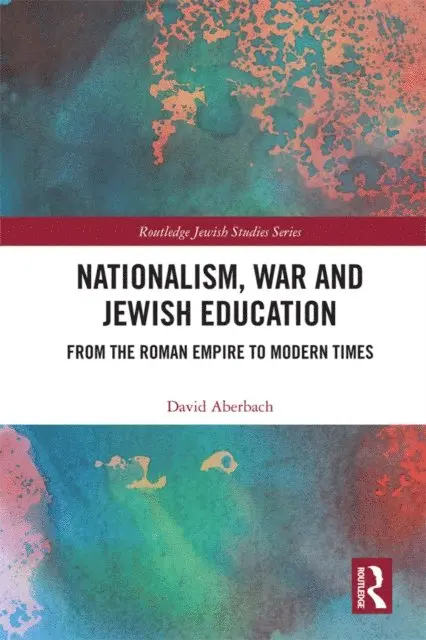
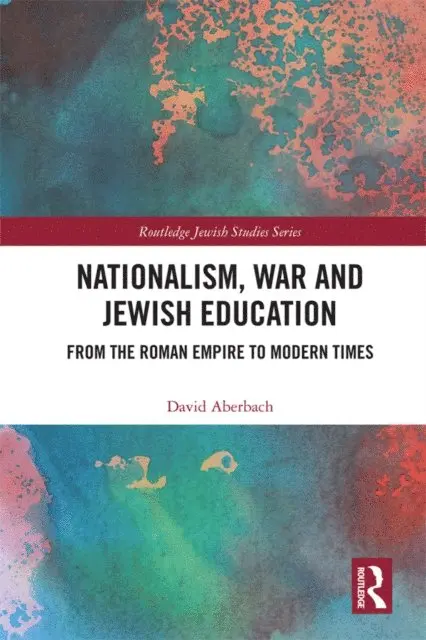
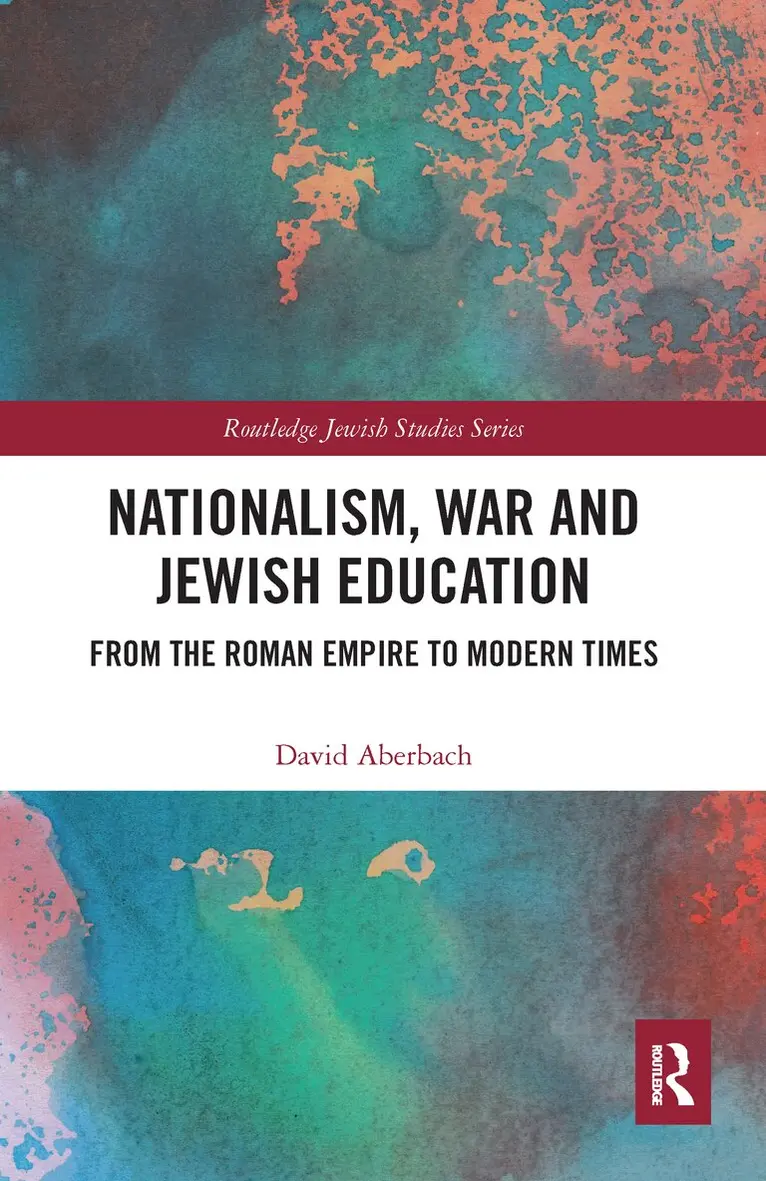
Nationalism, War and Jewish Education explores historical circumstances leading to the emergence of a Jewish religious school system lasting to modern times and the process by which this system was broken down and adapted in secular form as Jewish nationalism grew in the 19th and early 20th centuries. In the Roman period, education became an essential part of rabbinic pacifist accommodation following Jewish defeats, while in the modern period, secular education was associated with nationalism and increasing militancy of emerging states. In both periods there was a revival of Hebrew and the creation of an educational system based on Hebrew texts. Both revivals were responses to anti-Semitism, which pushed large numbers of Jews away from assimilation into the dominant culture to a renewed Jewish national identity.
The book highlights the centrifugal and centripetal shifts in Jewish identity, from messianic militarism to pacifism and back. It shows how changes in Jewish education accompanied these shifts. While drawing on historical scholarship for background, this book is essentially a literary study, showing how literary changes at different times and places reflect historical, socio-psychological, economic and political change.
Nationalism, War and Jewish Education is original in showing how ancient Jewish education affected modern Jewish society, therefore it is a valuable resource for students and researchers interested in Jewish history and literature, education, development studies and nationalism.
916 kr
Läs direkt efter köp
Nationalism, War and Jewish Education explores historical circumstances leading to the emergence of a Jewish religious school system lasting to modern times and the process by which this system was broken down and adapted in secular form as Jewish nationalism grew in the 19th and early 20th centuries. In the Roman period, education became an essential part of rabbinic pacifist accommodation following Jewish defeats, while in the modern period, secular education was associated with nationalism and increasing militancy of emerging states. In both periods there was a revival of Hebrew and the creation of an educational system based on Hebrew texts. Both revivals were responses to anti-Semitism, which pushed large numbers of Jews away from assimilation into the dominant culture to a renewed Jewish national identity.
The book highlights the centrifugal and centripetal shifts in Jewish identity, from messianic militarism to pacifism and back. It shows how changes in Jewish education accompanied these shifts. While drawing on historical scholarship for background, this book is essentially a literary study, showing how literary changes at different times and places reflect historical, socio-psychological, economic and political change.
Nationalism, War and Jewish Education is original in showing how ancient Jewish education affected modern Jewish society, therefore it is a valuable resource for students and researchers interested in Jewish history and literature, education, development studies and nationalism.
1 471 kr
Skickas inom 7-10 vardagar
1 692 kr
Skickas inom 7-10 vardagar
936 kr
Läs direkt efter köp
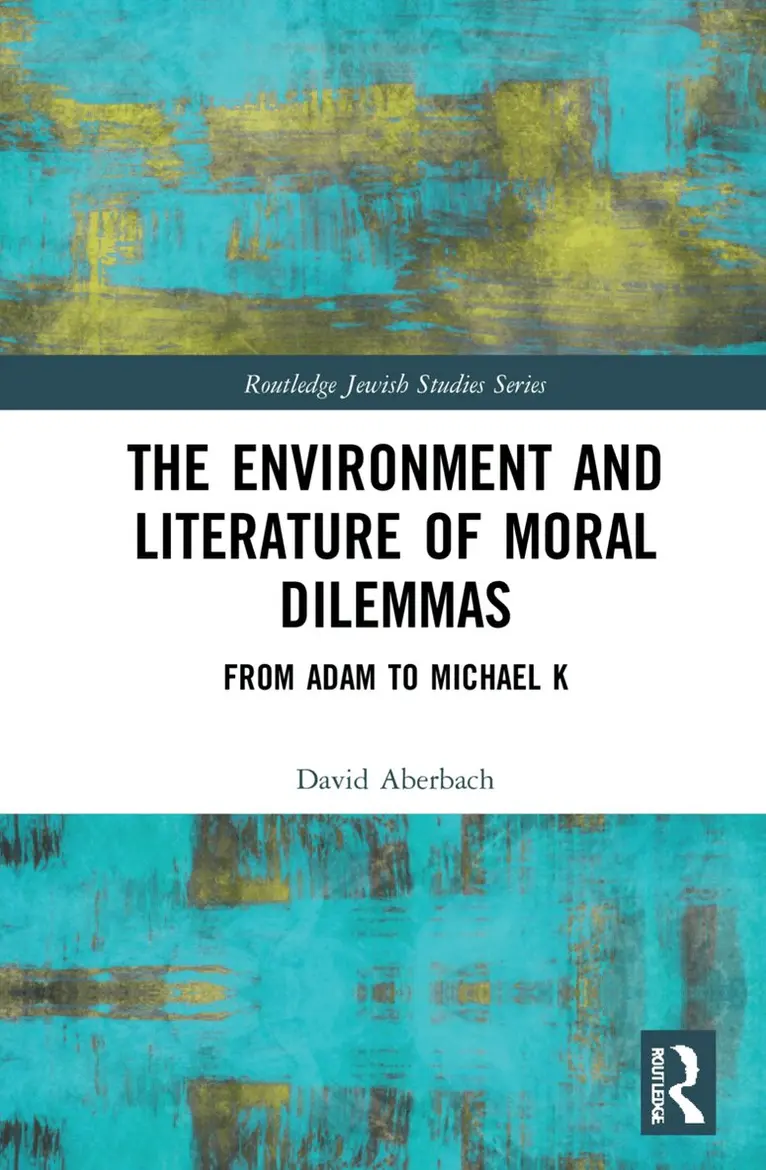
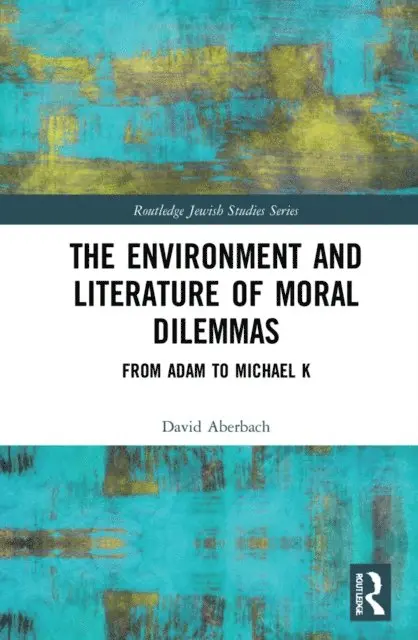
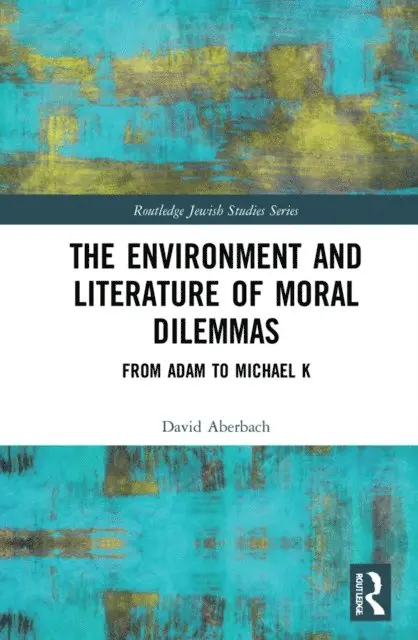
Exploring the literature of environmental moral dilemmas from the Hebrew Bible to modern times, this book argues the necessity of cross-disciplinary approaches to environmental studies, as a subject affecting everyone, in every aspect of life.
Moral dilemmas are central in the literary genre of protest against the effects of industry, particularly in Romantic literature and ‘Condition of England’ novels. Writers from the time of the Industrial Revolution to the present—including William Blake, Elizabeth Gaskell, Charles Dickens, Émile Zola, Henrik Ibsen, Anton Chekhov, T.S. Eliot, John Steinbeck, George Orwell, and J.M. Coetzee—follow the Bible in seeing environmental problems in moral terms, as a consequence of human agency. The issues raised by these and other writers—including damage to the environment and its effects on health and quality of life, particularly on the poor; economic conflicts of interest; water and air pollution, deforestation, and the environmental effects of war—are fundamentally the same today, making their works a continual source of interest and insight.
Sketching a brief literary history on the impact of human behavior on the environment, this volume will be of interest to readers researching environmental studies, literary studies, religious studies and international development, as well as a useful resource to scientists and readers of the Arts.
762 kr
Läs direkt efter köp
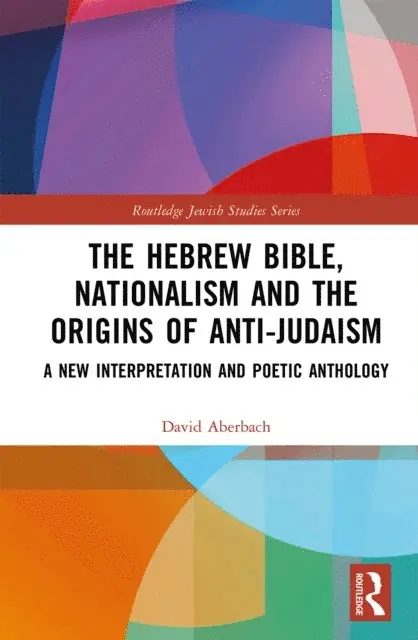
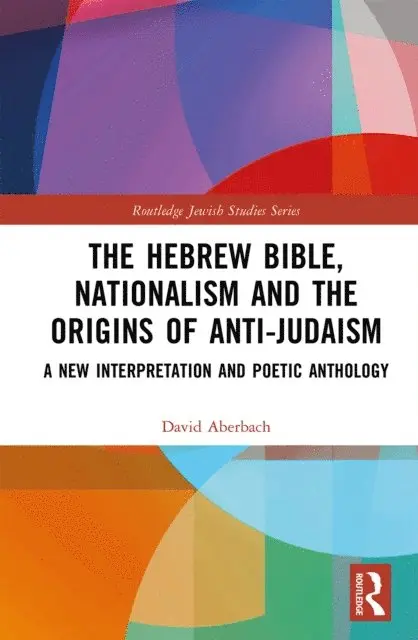
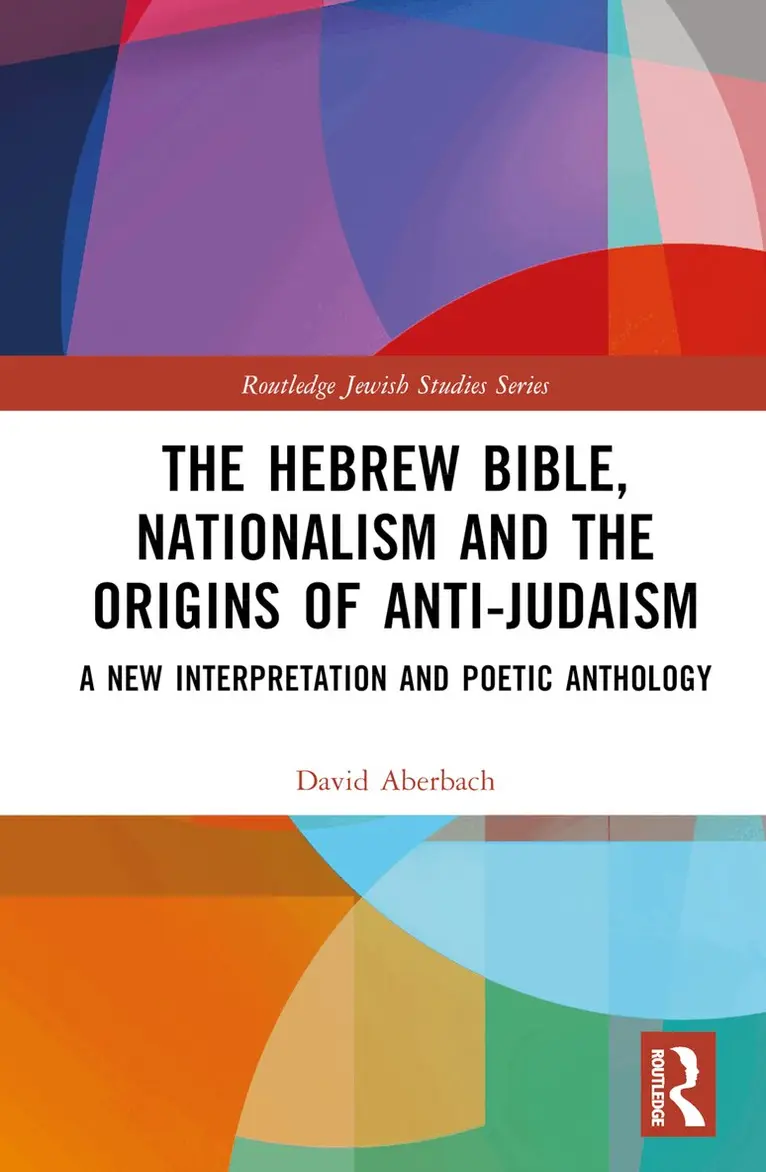
In the attempts to unify divided peoples on the basis of a shared past, both historical and mythical, this book illumines aspects of cultural nationalism common since the Middle Ages.
As an edited work, the Bible includes texts mostly depicting long-gone historical eras extending over several centuries. Following on from Aberbach’s previous work National Poetry, Empires, and War, this book argues that works of this nature – notably the Mujo-Halil songs in Albania, the Irish stories of Cuchulain, the songs of the Nibelungen in Germany, or the Finnish legends collected in The Kalevala – have an ancient precedent in the Hebrew Bible (to which national literatures often allude and refer), a subject largely neglected in biblical studies. The self-critical element in the Hebrew Bible, common in later national literature, is examined as the basis of later anti-Semitism, as the Bible was not confined to Jews but was adopted in translation by many other national groups. With several dozen original translations from the Hebrew, this book highlights how the Bible influenced and was distorted by later national cultures.
Written without jargon, this book is intended for the general reader, but is also an important contribution to the study of the Bible, nationalism, and Jewish history.
849 kr
Läs direkt efter köp
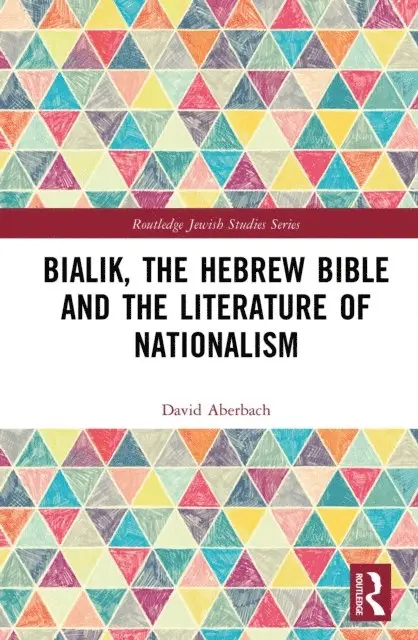
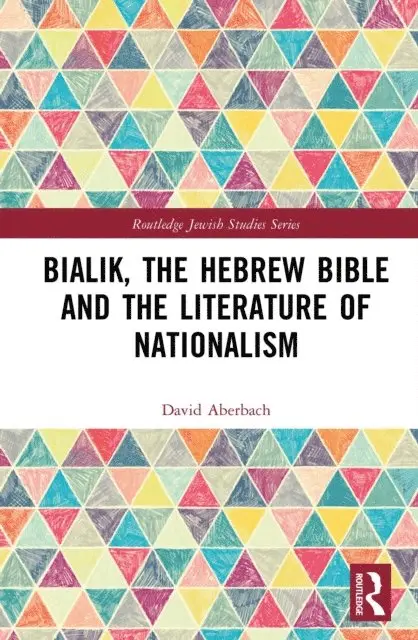
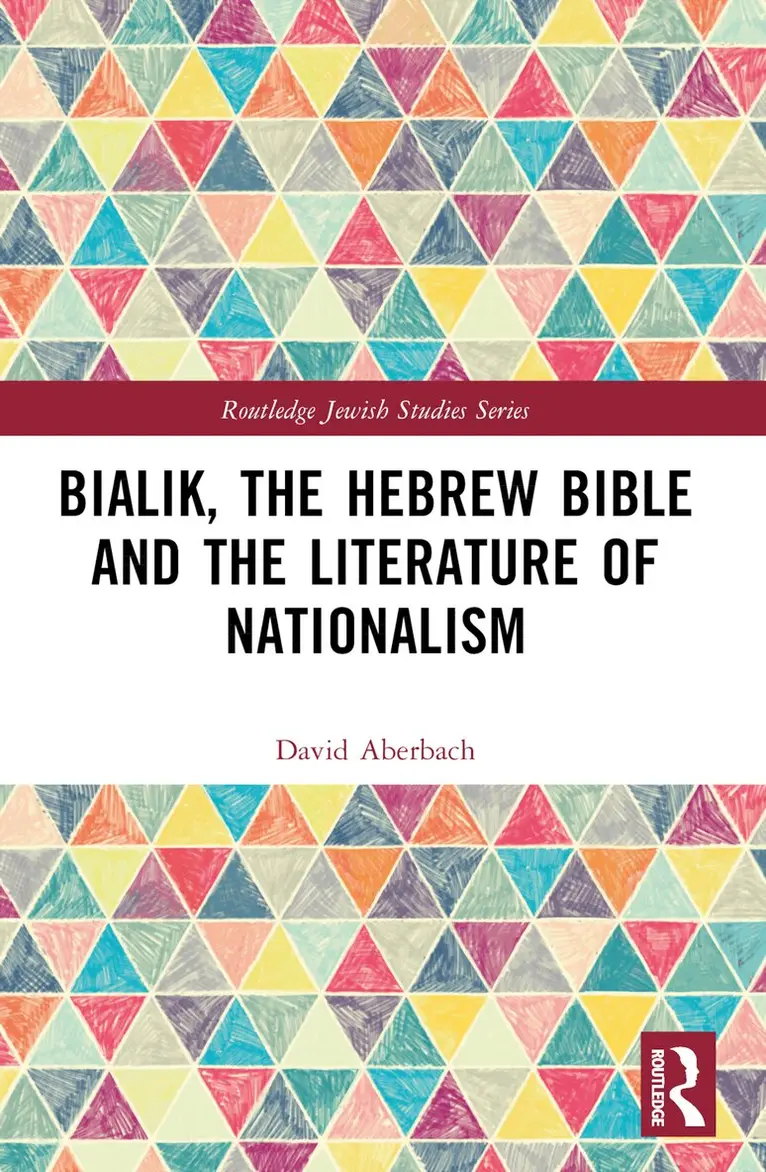
This book explores the life and poetry of Chaim Nachman Bialik (1873–1934) in the context of European national literature between the French Revolution and World War I, showing how he helped create a modern Hebrew national culture, spurring the revival of Hebrew as a spoken language.
The author begins with Bialik’s background in the Tsarist Empire, contextualizing Jewish powerlessness in Eastern Europe in the late nineteenth century. As European anti-Semitism grew, Bialik emerged at the vanguard of a modern Hebrew national movement, building on ancient biblical and rabbinic tradition and speaking to Jewish concerns in neo-prophetic poems, love poems, poems for children, and folk poems. This book makes accessible a broad but representative selection of Bialik’s poetry in translation. Alongside this, a variety of national poets are considered from across Europe, including Solomos in Greece, Mickiewicz in Poland, Shevchenko in Ukraine, Njegoš in Serbia, Petőfi in Hungary, and Yeats in Ireland. Aberbach argues that Bialik as Jewish national poet cannot be understood except in the dual context of ancient Jewish nationalism and modern European nationalism, both political and cultural.
Written in clear and accessible prose, this book will interest those studying modern European nationalism, Hebrew literature, Jewish history, and anti-Semitism.
870 kr
Läs direkt efter köp
This book explores the life and poetry of Chaim Nachman Bialik (1873–1934) in the context of European national literature between the French Revolution and World War I, showing how he helped create a modern Hebrew national culture, spurring the revival of Hebrew as a spoken language.
The author begins with Bialik’s background in the Tsarist Empire, contextualizing Jewish powerlessness in Eastern Europe in the late nineteenth century. As European anti-Semitism grew, Bialik emerged at the vanguard of a modern Hebrew national movement, building on ancient biblical and rabbinic tradition and speaking to Jewish concerns in neo-prophetic poems, love poems, poems for children, and folk poems. This book makes accessible a broad but representative selection of Bialik’s poetry in translation. Alongside this, a variety of national poets are considered from across Europe, including Solomos in Greece, Mickiewicz in Poland, Shevchenko in Ukraine, Njegoš in Serbia, Petőfi in Hungary, and Yeats in Ireland. Aberbach argues that Bialik as Jewish national poet cannot be understood except in the dual context of ancient Jewish nationalism and modern European nationalism, both political and cultural.
Written in clear and accessible prose, this book will interest those studying modern European nationalism, Hebrew literature, Jewish history, and anti-Semitism.
2 152 kr
Skickas inom 10-15 vardagar
751 kr
Skickas inom 10-15 vardagar
2 914 kr
Skickas inom 10-15 vardagar
751 kr
Skickas inom 10-15 vardagar
2 914 kr
Skickas inom 10-15 vardagar
819 kr
Skickas inom 10-15 vardagar