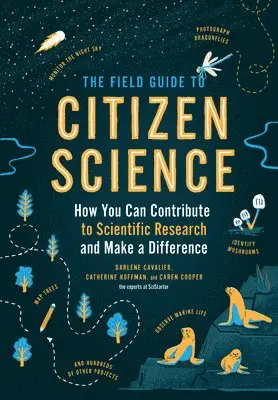
Learn how monitoring the night sky, mapping trees, photographing dragonflies, and identifying mushrooms can help save the world. Citizen science is the public involvement in the discovery of new scientific knowledge. A citizen science project can involve one person or millions of people collaborating towards a common goal. It is an excellent option for anyone looking for ways to get involved and make a difference. The Field Guide to Citizen Science, from the expert team at SciStarter, provides everything you need to get started. You’ll learn what citizen science is, how to succeed and stay motivated when you’re participating in a project, and how the data is used. The fifty included projects, ranging from climate change to Alzheimer’s disease, endangered species to space exploration, mean sure-fire matches for your interests and time. Join the citizen science brigade now and start making a real difference!
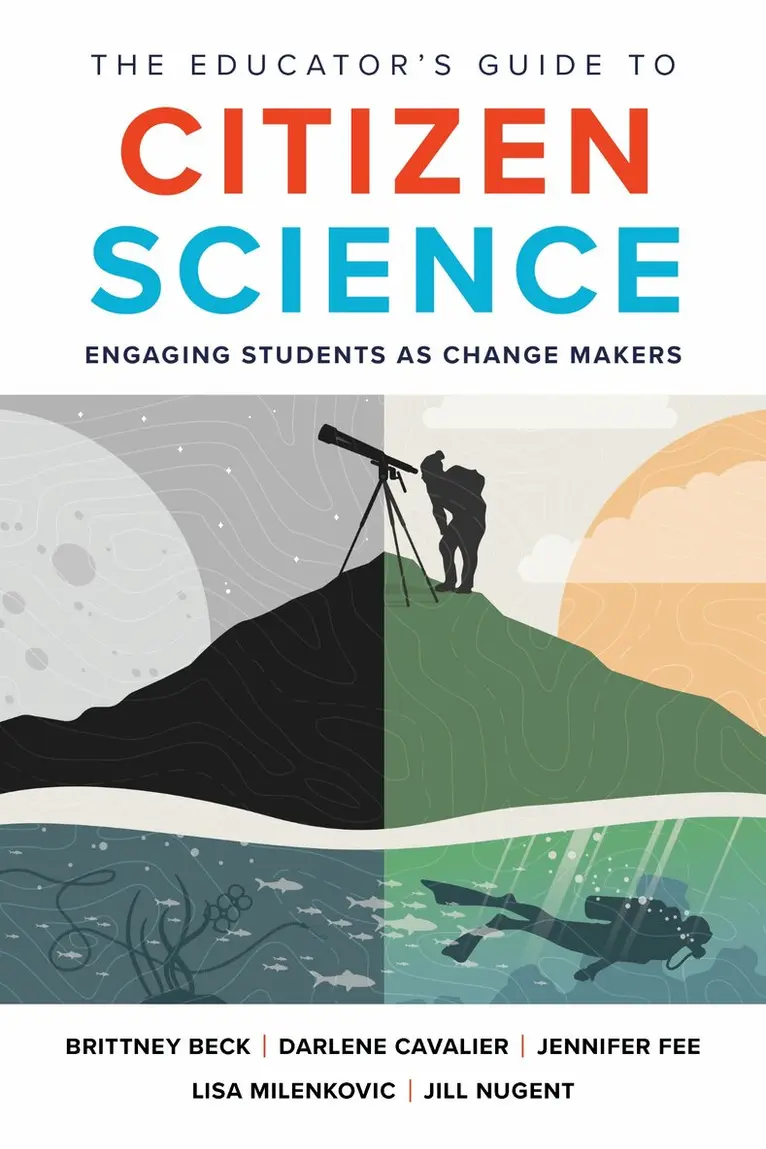
A practical guide that explores how to democratize participation in science and spark students' curiosity about how their local communities fit into the wider worldThe Educator's Guide to Citizen Science examines how citizen and community science can transform K–12 education by positioning students and educators as active contributors to knowledge. Grounded in both research and classroom practice, the authors argue that when young people see themselves as knowledge holders and knowledge generators, they begin to envision new possibilities for themselves, their communities, and our shared planet.This book presents an in-depth look at how educators can turn their classrooms into "living labs" by connecting with science agencies, identifying projects appropriate for their settings, and creating lessons that break down complex phenomena and align with curriculum standards. Chapters provide inspiration for how and where teachers might begin citizen science projects. Drawing from their work with students and educators over the last ten years, the authors combine classroom cases with relevant scholarship on scientific identities, agency, literacy, and community action to showcase how citizen science can come to life in schools. Along the way, chapters supply a wealth of evidence-based teacher strategies and tips for overcoming common practical challenges.The Educator's Guide to Citizen Science positions citizen and community science as a curricular and pedagogical approach that bridges research and practice. It invites educators to reimagine science education as a collaborative, participatory process that empowers students to ask questions, generate knowledge, and take informed action in their communities and beyond.