977 kr
Kommande
977 kr
Kommande
290 kr
Kommande
1 664 kr
Skickas inom 10-15 vardagar
2 065 kr
Läs direkt efter köp
1 223 kr
Skickas inom 7-10 vardagar
341 kr
Skickas inom 7-10 vardagar
457 kr
Läs direkt efter köp
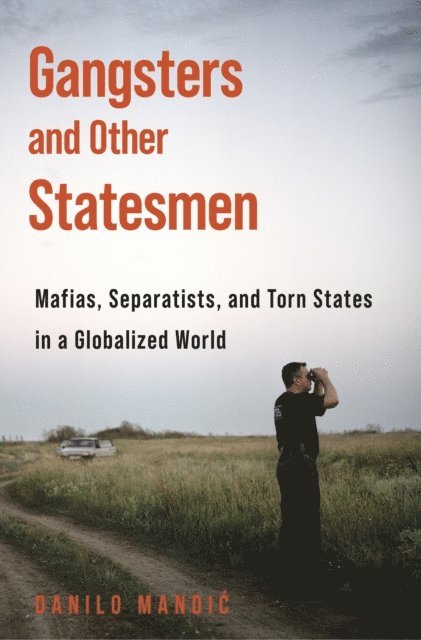
How global organized crime shapes the politics of borders in modern conflictsSeparatism has been on the rise across the world since the end of the Cold War, dividing countries through political strife, ethnic conflict, and civil war, and redrawing the political map. Gangsters and Other Statesmen examines the role transnational mafias play in the success and failure of separatist movements, challenging conventional wisdom about the interrelation of organized crime with peacebuilding, nationalism, and state making.Danilo Mandić conducted fieldwork in the disputed territories of Kosovo and South Ossetia, talking to mobsters, separatists, and policymakers in war zones and along major smuggling routes. In this timely and provocative book, he demonstrates how globalized mafias shape the politics of borders in torn states, shedding critical light on an autonomous nonstate actor that has been largely sidelined by considerations of geopolitics, state-centered agency, and ethnonationalism. Blending extensive archival sleuthing and original ethnographic data with insights from sociology and other disciplines, Mandić argues that organized crime can be a fateful determinant of state capacity, separatist success, and ethnic conflict.Putting mafias at the center of global processes of separatism and territorial consolidation, Gangsters and Other Statesmen raises vital questions and urges reconsideration of a host of separatist cases in West Africa, the Middle East, and East Europe.
693 kr
Läs direkt efter köp
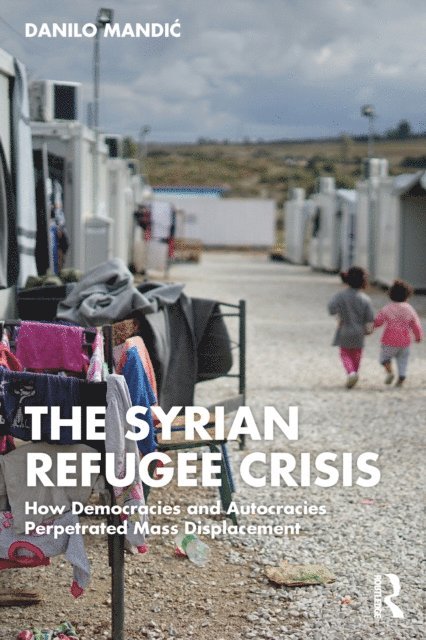
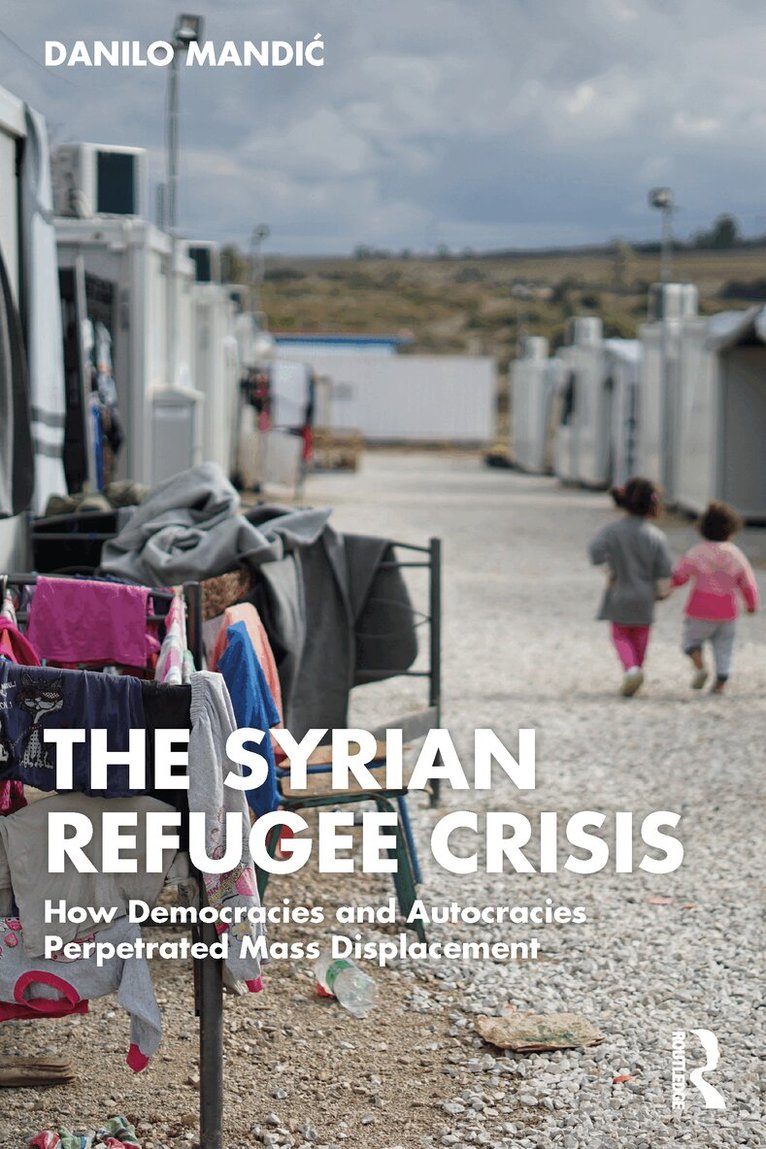
The Syrian war, the 21st century’s most protracted and second-deadliest conflict, has driven 5.6 million refugees and 6.6 million internally displaced into flight. As the civil war draws to a close, an autopsy of this historic and unprecedented refugee episode becomes feasible. Why did the war generate so many refugees? How did so many of them get to Europe? Who are these people, and why did they leave? From whom were they fleeing and why? Did European policymakers alleviate or aggravate the refugee crisis?
The Syrian Refugee Crisis argues that Syrian forced migration has been deeply misunderstood. Against conventional wisdom, it suggests that refugees engaged smugglers not just as traffickers or criminal exploiters but as natural allies and means to affirm asylum rights; that the politicization of refugees according to major actors’ foreign policy priorities obfuscated the role of US and European foreign policy in generating massive displacement; and that restrictionist border policies on the Balkan Route were inhumane, incoherent, and counter-productive. Relying on extensive, rare fieldwork data from five countries comprising the Balkan Route (Jordan, Turkey, Greece, Serbia, and Germany), this book sheds light on the understudied, counter-intuitive, and often-misunderstood dynamics of forced migration, refugee agency, border restrictionism, anti-smuggling policy, and migrant decision-making in the 21st century.
671 kr
Läs direkt efter köp
The Syrian war, the 21st century’s most protracted and second-deadliest conflict, has driven 5.6 million refugees and 6.6 million internally displaced into flight. As the civil war draws to a close, an autopsy of this historic and unprecedented refugee episode becomes feasible. Why did the war generate so many refugees? How did so many of them get to Europe? Who are these people, and why did they leave? From whom were they fleeing and why? Did European policymakers alleviate or aggravate the refugee crisis?
The Syrian Refugee Crisis argues that Syrian forced migration has been deeply misunderstood. Against conventional wisdom, it suggests that refugees engaged smugglers not just as traffickers or criminal exploiters but as natural allies and means to affirm asylum rights; that the politicization of refugees according to major actors’ foreign policy priorities obfuscated the role of US and European foreign policy in generating massive displacement; and that restrictionist border policies on the Balkan Route were inhumane, incoherent, and counter-productive. Relying on extensive, rare fieldwork data from five countries comprising the Balkan Route (Jordan, Turkey, Greece, Serbia, and Germany), this book sheds light on the understudied, counter-intuitive, and often-misunderstood dynamics of forced migration, refugee agency, border restrictionism, anti-smuggling policy, and migrant decision-making in the 21st century.
590 kr
Skickas inom 10-15 vardagar
2 136 kr
Skickas inom 10-15 vardagar
692 kr
Skickas inom 10-15 vardagar
2 489 kr
Skickas inom 10-15 vardagar
814 kr
Läs direkt efter köp
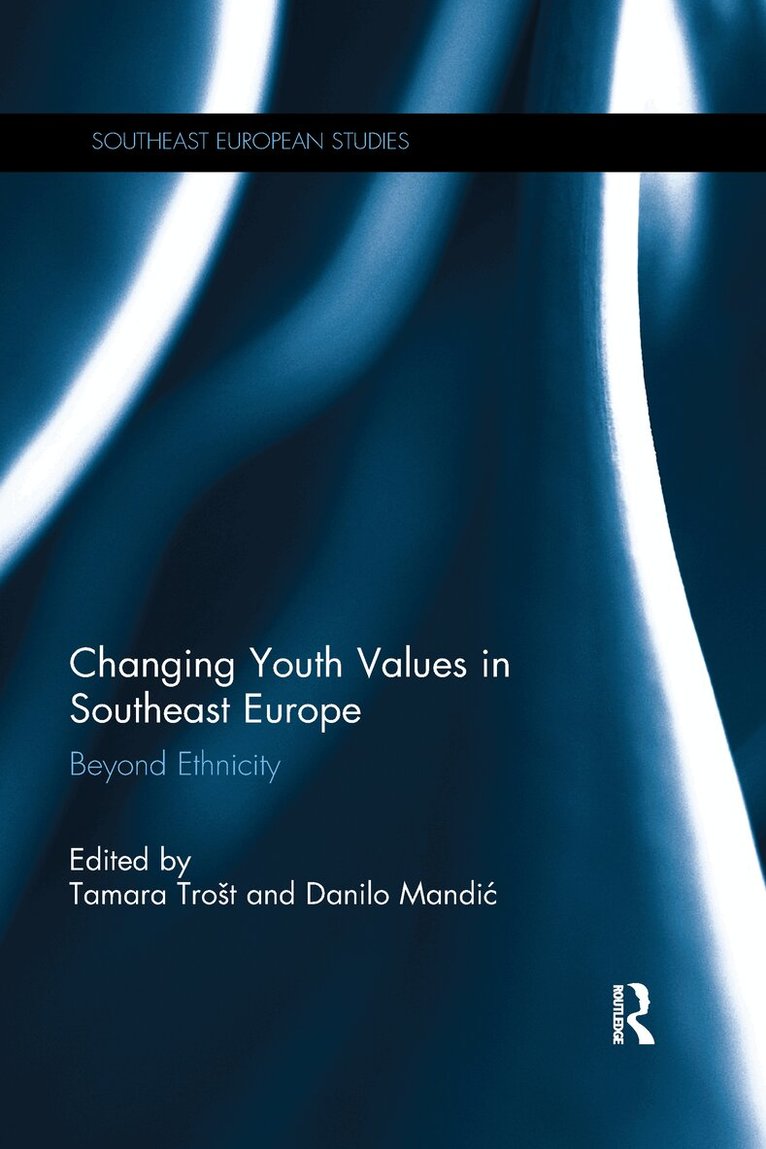
What shapes the cultural, political and ideological values of young people living in Southeastern Europe? Which identities matter to them? How are their values changing, and how can they be changed? Who is changing them? Europe’s periphery is the testing ground for the success of European values and identities. The future stability and political coherence of the Union will be determined in large measure by identity issues in this region.
This book examines the ways in which ethnic and national values and identities have been surpassed as the overriding focus in the lives of the region’s youth. Employing bottom-up, ethnographic, and interview-based approaches, it explores when and where ethnic and national identification processes become salient. Using intra-national and international comparisons of youth populations of Albania, Bosnia-Herzegovina, Croatia, Macedonia, Montenegro, and Serbia, contributors uncover the mechanisms by which ethnic identities are evoked, reproduced and challenged. In addition to exploring political, regional cultural generational and class identities, the contributors examine wider questions of European unity.
This volume offers a corrective to previous thinking about youth ethnic identities and will prove useful to scholars in political science and sociology studying issues of ethnic and national identities and nationalism, as well as youth cultures and identities.
1 638 kr
Skickas inom 10-15 vardagar
294 kr
Skickas inom 7-10 vardagar
243 kr
Skickas inom 7-10 vardagar
285 kr
Skickas inom 7-10 vardagar
1 106 kr
Skickas inom 7-10 vardagar
339 kr
Skickas inom 7-10 vardagar
339 kr
Skickas inom 7-10 vardagar
1 127 kr
Skickas inom 10-15 vardagar
1 459 kr
Läs direkt efter köp
1 127 kr
Skickas inom 10-15 vardagar
1 449 kr
Läs direkt efter köp