695 kr
Skickas inom 10-15 vardagar
695 kr
Skickas inom 10-15 vardagar
831 kr
Läs direkt efter köp
807 kr
Läs direkt efter köp
707 kr
Skickas inom 10-15 vardagar
2 489 kr
Skickas inom 10-15 vardagar
814 kr
Läs direkt efter köp
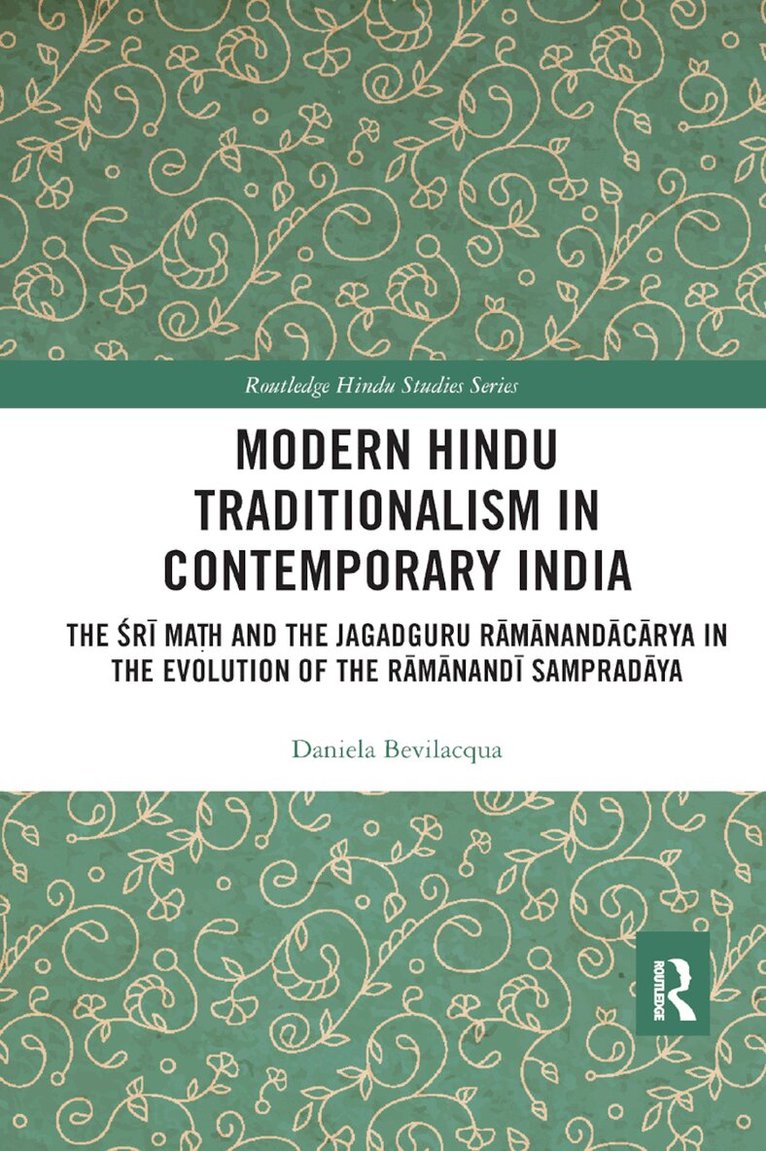
Modern Hindu Traditionalism addresses Hindu traditions that resisted contact with both Neo-Hindu thought and views of “classical†Hinduism perceived to be outmoded.
This book provides an in-depth understanding of Modern Hindu Traditionalism through the case study of the RÄmÄnandÄ« order (sampradÄya) and the portrait of the Jagadguru RÄmÄnandÄcÄrya RÄmnareÅ›ÄcÄrya. This guru belongs to the ancient tradition of the RÄmÄnandÄ« order, which is active at the present time and the biggest Vaiṣṇava religious order in Northern India. Analyzing the historical evolution of the RÄmÄnandÄ« order, the author shows how different centers have undergone different changes over the centuries, and focuses on the independence struggle of a group of RÄmÄnandÄ«s from the RÄmÄnÅ«jÄ«s, which led to the creation of the role of Jagadguru RÄmÄnandÄcÄrya and the construction of the ÅšrÄ« Maá¹h. Drawing on extensive fieldwork, this book casts light on figures and processes central to the development of Hinduism in the twentieth and twenty-first century and consequently describes the role of religion in contemporary Indian society. The author examines the role religious institutions and their leaders have in the everyday life of individuals, how they interact with and in the society, and how they approach and interpret social and political issues. The RÄmÄnandÄ«s’ use of new methods of communication, in particular social media, is an innovative part of the study.
A welcome innovation in the studies of South Asian religion, this book will be of interest to historians, anthropologists, and scholars of Hinduism and religion and politics.
814 kr
Läs direkt efter köp
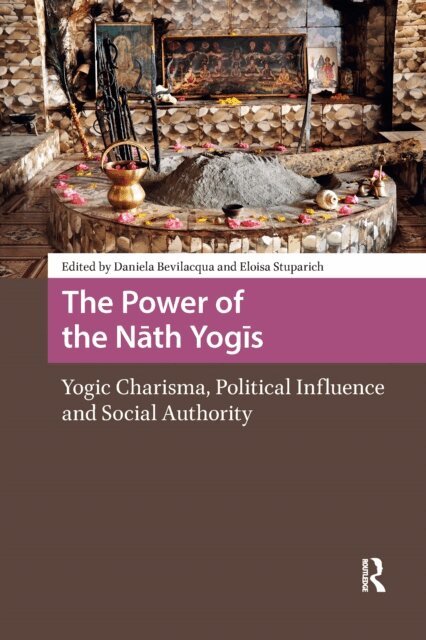
Modern Hindu Traditionalism addresses Hindu traditions that resisted contact with both Neo-Hindu thought and views of “classical†Hinduism perceived to be outmoded.
This book provides an in-depth understanding of Modern Hindu Traditionalism through the case study of the RÄmÄnandÄ« order (sampradÄya) and the portrait of the Jagadguru RÄmÄnandÄcÄrya RÄmnareÅ›ÄcÄrya. This guru belongs to the ancient tradition of the RÄmÄnandÄ« order, which is active at the present time and the biggest Vaiṣṇava religious order in Northern India. Analyzing the historical evolution of the RÄmÄnandÄ« order, the author shows how different centers have undergone different changes over the centuries, and focuses on the independence struggle of a group of RÄmÄnandÄ«s from the RÄmÄnÅ«jÄ«s, which led to the creation of the role of Jagadguru RÄmÄnandÄcÄrya and the construction of the ÅšrÄ« Maá¹h. Drawing on extensive fieldwork, this book casts light on figures and processes central to the development of Hinduism in the twentieth and twenty-first century and consequently describes the role of religion in contemporary Indian society. The author examines the role religious institutions and their leaders have in the everyday life of individuals, how they interact with and in the society, and how they approach and interpret social and political issues. The RÄmÄnandÄ«s’ use of new methods of communication, in particular social media, is an innovative part of the study.
A welcome innovation in the studies of South Asian religion, this book will be of interest to historians, anthropologists, and scholars of Hinduism and religion and politics.
582 kr
Skickas inom 7-10 vardagar
1 390 kr
Skickas inom 7-10 vardagar
506 kr
Skickas
2 526 kr
Skickas inom 10-15 vardagar
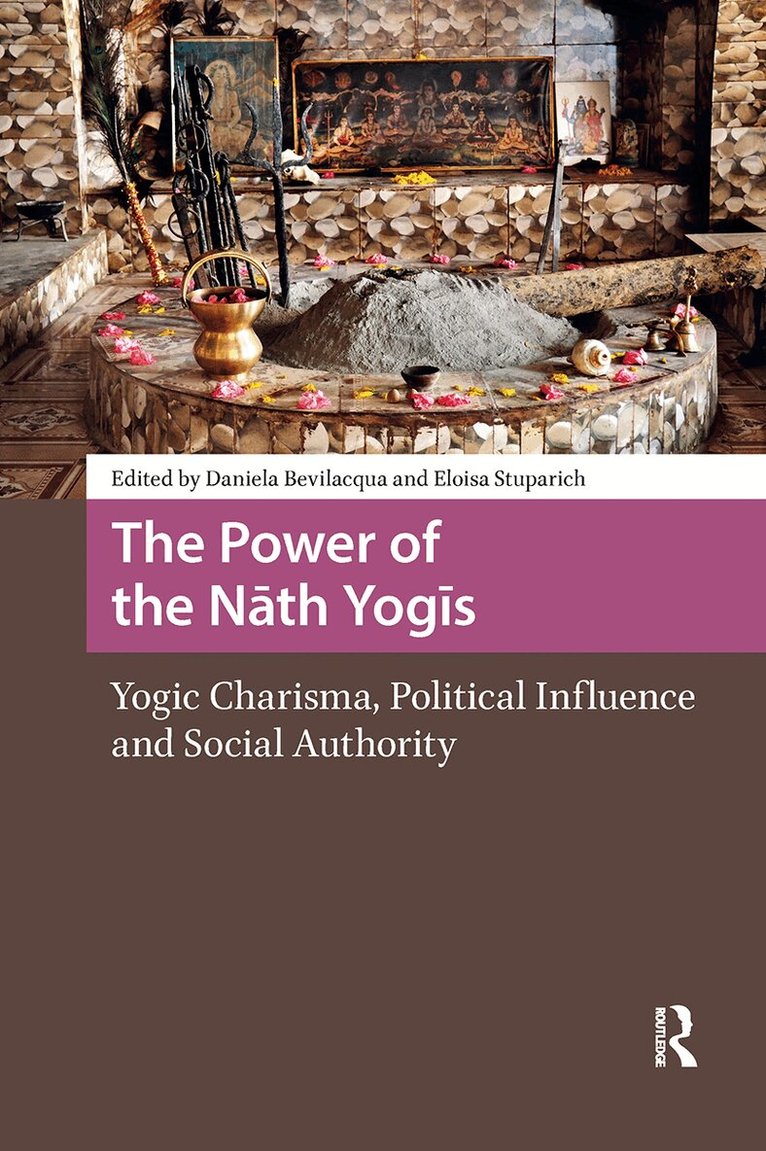
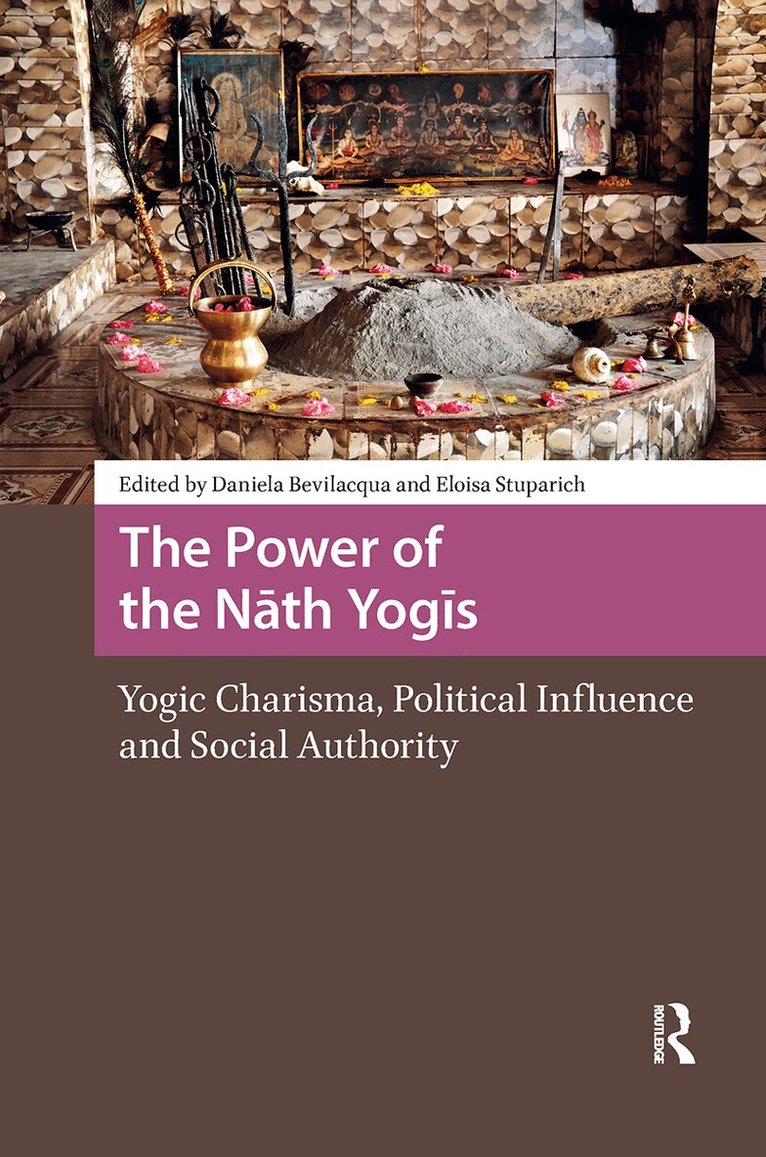
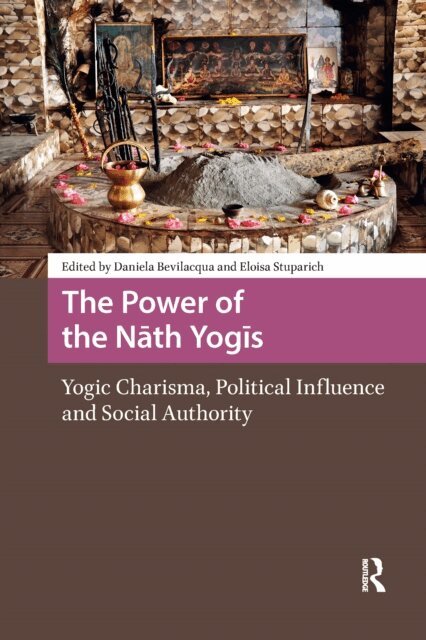
The volume collects a series of contributions that help reconstruct the recent history of the Nath tradition, highlighting important moments of self.reinterpretation in the sampradaya’s interaction with different social milieus.