151 kr
Skickas
151 kr
Skickas
108 kr
Läs direkt efter köp
150 kr
Läs direkt efter köp
151 kr
Läs direkt efter köp
119 kr
Läs direkt efter köp
109 kr
Skickas inom 5-8 vardagar
317 kr
Skickas inom 7-10 vardagar
525 kr
Skickas inom 7-10 vardagar
603 kr
Skickas inom 7-10 vardagar
2 497 kr
Skickas inom 10-15 vardagar
687 kr
Skickas inom 10-15 vardagar
814 kr
Läs direkt efter köp
832 kr
Läs direkt efter köp
A European Disorder, c.1848-1918
422 kr
Skickas inom 7-10 vardagar
777 kr
Läs direkt efter köp
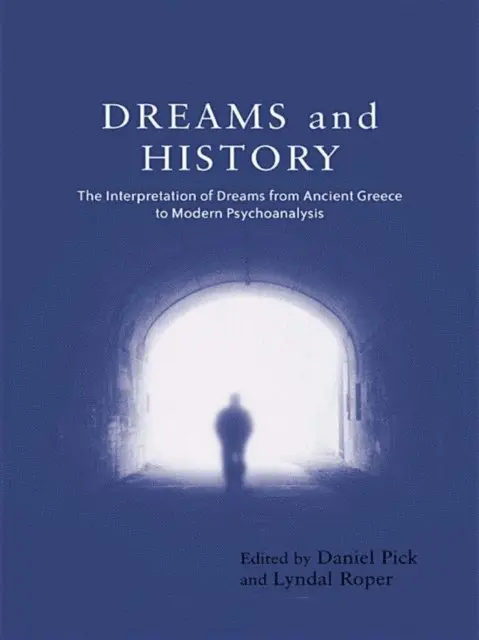
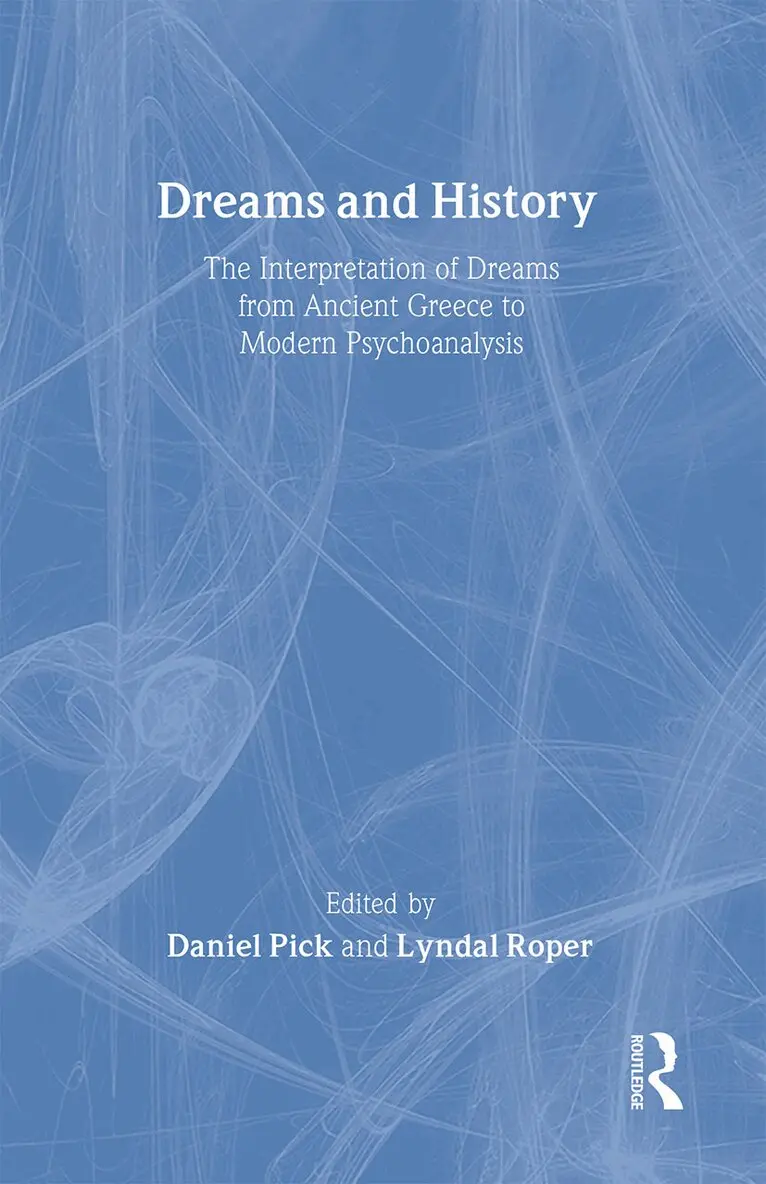
What is a dream?Dreams are universal, but their perceived significance and conceptual framework change over time. This book provides new perspectives on the history of dreams and dream interpretation in western culture and thought. Dreams and History contains important new scholarship on Freud''s Interpretation of Dreams (1900) and subsequent psychoanalytical approaches from distinguished historians, psychoanalysts, historians of science and anthropologists. This collection celebrates and evaluates Freud''s landmark intellectual production, whilst placing it in historical context. A modern view of psychoanalysis, it also discusses the controversial idea of the role of the external world on the shaping of unconscious mental contents.In highly accessible language it proceeds through a series of richly illustrated case studies, providing new source materials and debates about the causes, meanings and consequences of dreams, past and present: from Victorian anthropological exploration of ancient Greek dream sources to peasant interpretation of dream-life in communist Russia; from concepts of the dream in sixteenth-century England to visual images in nineteenth-century symbolist painting in France. Dreams and History will fascinate those interested not only in psychoanalysis and history, but also arts, culture, humanities and literature.
760 kr
Läs direkt efter köp
What is a dream?Dreams are universal, but their perceived significance and conceptual framework change over time. This book provides new perspectives on the history of dreams and dream interpretation in western culture and thought. Dreams and History contains important new scholarship on Freud''s Interpretation of Dreams (1900) and subsequent psychoanalytical approaches from distinguished historians, psychoanalysts, historians of science and anthropologists. This collection celebrates and evaluates Freud''s landmark intellectual production, whilst placing it in historical context. A modern view of psychoanalysis, it also discusses the controversial idea of the role of the external world on the shaping of unconscious mental contents.In highly accessible language it proceeds through a series of richly illustrated case studies, providing new source materials and debates about the causes, meanings and consequences of dreams, past and present: from Victorian anthropological exploration of ancient Greek dream sources to peasant interpretation of dream-life in communist Russia; from concepts of the dream in sixteenth-century England to visual images in nineteenth-century symbolist painting in France. Dreams and History will fascinate those interested not only in psychoanalysis and history, but also arts, culture, humanities and literature.
2 801 kr
Skickas inom 10-15 vardagar
792 kr
Skickas inom 10-15 vardagar
869 kr
Läs direkt efter köp
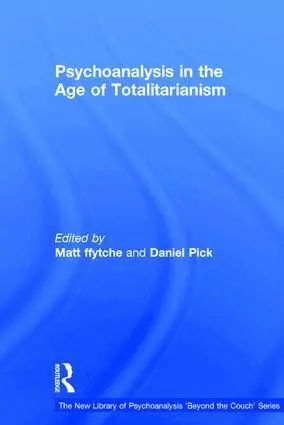
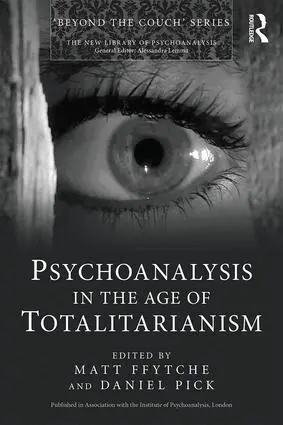
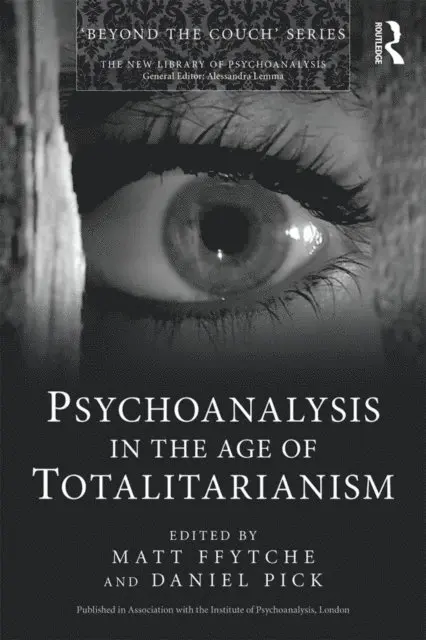
Psychoanalysis in the Age of Totalitarianism provides rich new insights into the history of political thought and clinical knowledge. In these chapters, internationally renowned historians and cultural theorists discuss landmark debates about the uses and abuses of ‘the talking cure’ and map the diverse psychologies and therapeutic practices that have featured in and against tyrannical, modern regimes.
These essays show both how the Freudian movement responded to and was transformed by the rise of fascism and communism, the Second World War, and the Cold War, and how powerful new ideas about aggression, destructiveness, control, obedience and psychological freedom were taken up in the investigation of politics. They identify important intersections between clinical debate, political analysis, and theories of minds and groups, and trace influential ideas about totalitarianism that took root in modern culture after 1918, and still resonate in the twenty-first century. At the same time, they suggest how the emergent discourses of ‘totalitarian’ society were permeated by visions of the unconscious.
Topics include: the psychoanalytic theorizations of anti-Semitism; the psychological origins and impact of Nazism; the post-war struggle to rebuild liberal democracy; state-funded experiments in mind control in Cold War America; coercive ‘re-education’ programmes in Eastern Europe, and the role of psychoanalysis in the politics of decolonization. A concluding trio of chapters argues, in various ways, for the continuing relevance of psychoanalysis, and of these mid-century debates over the psychology of power, submission and freedom in modern mass society.
Psychoanalysis in the Age of Totalitarianism will prove compelling for both specialists and readers with a general interest in modern psychology, politics, culture and society, and in psychoanalysis. The material is relevant for academics and post-graduate students in the human, social and political sciences, the clinical professions, the historical profession and the humanities more widely.

875 kr
Läs direkt efter köp
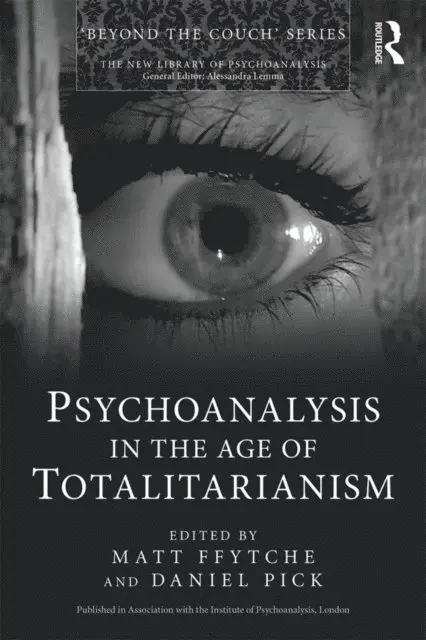
Psychoanalysis in the Age of Totalitarianism provides rich new insights into the history of political thought and clinical knowledge. In these chapters, internationally renowned historians and cultural theorists discuss landmark debates about the uses and abuses of ‘the talking cure’ and map the diverse psychologies and therapeutic practices that have featured in and against tyrannical, modern regimes.
These essays show both how the Freudian movement responded to and was transformed by the rise of fascism and communism, the Second World War, and the Cold War, and how powerful new ideas about aggression, destructiveness, control, obedience and psychological freedom were taken up in the investigation of politics. They identify important intersections between clinical debate, political analysis, and theories of minds and groups, and trace influential ideas about totalitarianism that took root in modern culture after 1918, and still resonate in the twenty-first century. At the same time, they suggest how the emergent discourses of ‘totalitarian’ society were permeated by visions of the unconscious.
Topics include: the psychoanalytic theorizations of anti-Semitism; the psychological origins and impact of Nazism; the post-war struggle to rebuild liberal democracy; state-funded experiments in mind control in Cold War America; coercive ‘re-education’ programmes in Eastern Europe, and the role of psychoanalysis in the politics of decolonization. A concluding trio of chapters argues, in various ways, for the continuing relevance of psychoanalysis, and of these mid-century debates over the psychology of power, submission and freedom in modern mass society.
Psychoanalysis in the Age of Totalitarianism will prove compelling for both specialists and readers with a general interest in modern psychology, politics, culture and society, and in psychoanalysis. The material is relevant for academics and post-graduate students in the human, social and political sciences, the clinical professions, the historical profession and the humanities more widely.
93 kr
Läs direkt efter köp
1 274 kr
Skickas inom 10-15 vardagar
562 kr
Skickas inom 10-15 vardagar
149 kr
Skickas
162 kr
Läs direkt efter köp
224 kr
Skickas inom 3-6 vardagar