302 kr
Skickas inom 7-10 vardagar
302 kr
Skickas inom 7-10 vardagar
876 kr
Skickas inom 7-10 vardagar
282 kr
Skickas inom 7-10 vardagar
586 kr
Läs direkt efter köp
408 kr
Skickas inom 7-10 vardagar
297 kr
Skickas inom 7-10 vardagar
839 kr
Skickas inom 7-10 vardagar
400 kr
Läs direkt efter köp
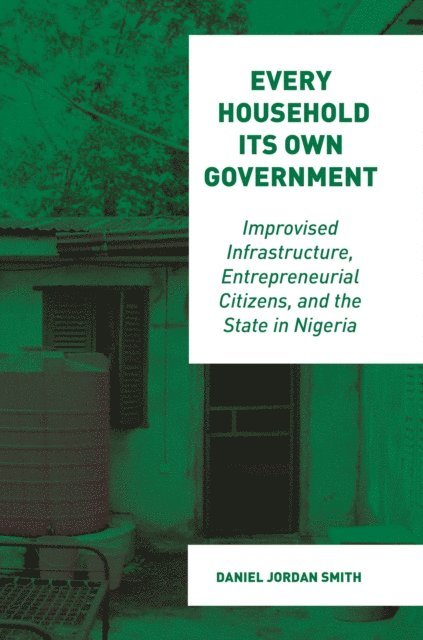
An up-close account of how Nigerians’ self-reliance in the absence of reliable government services enables official dysfunction to strengthen state powerWhen Nigerians say that every household is its own local government, what they mean is that the politicians and state institutions of Africa’s richest, most populous country cannot be trusted to ensure even the most basic infrastructure needs of their people. Daniel Jordan Smith traces how innovative entrepreneurs and ordinary citizens in Nigeria have forged their own systems in response to these deficiencies, devising creative solutions in the daily struggle to survive.Drawing on his three decades of experience in Nigeria, Smith examines the many ways Nigerians across multiple social strata develop technologies, businesses, social networks, political strategies, cultural repertoires, and everyday routines to cope with the constant failure of government infrastructure. He describes how Nigerians provide for basic needs like water, electricity, transportation, security, communication, and education—and how their inventiveness comes with consequences. On the surface, it may appear that their self-reliance and sheer hustle render the state irrelevant. In reality, the state is not so much absent as complicit. Smith shows how private efforts to address infrastructural shortcomings require regular engagement with government officials, shaping the experience of citizenship and strengthening state power.Every Household Its Own Government reveals how these dealings have contributed to forms and practices of governance that thrive on official dysfunction and perpetuate the very inequalities and injustices that afflict struggling Nigerians.
1 440 kr
Skickas inom 7-10 vardagar
348 kr
Skickas inom 7-10 vardagar
377 kr
Läs direkt efter köp
511 kr
Läs direkt efter köp
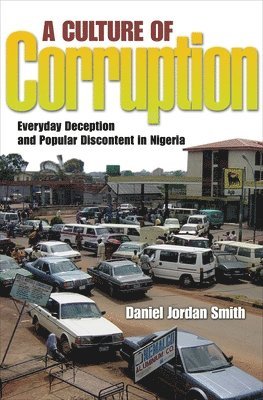
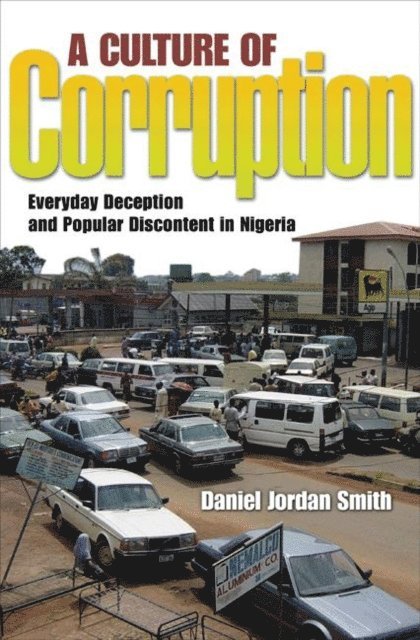
E-mails proposing an "urgent business relationship" help make fraud Nigeria''s largest source of foreign revenue after oil. But scams are also a central part of Nigeria''s domestic cultural landscape. Corruption is so widespread in Nigeria that its citizens call it simply "the Nigerian factor." Willing or unwilling participants in corruption at every turn, Nigerians are deeply ambivalent about it--resigning themselves to it, justifying it, or complaining about it. They are painfully aware of the damage corruption does to their country and see themselves as their own worst enemies, but they have been unable to stop it. A Culture of Corruption is a profound and sympathetic attempt to understand the dilemmas average Nigerians face every day as they try to get ahead--or just survive--in a society riddled with corruption. Drawing on firsthand experience, Daniel Jordan Smith paints a vivid portrait of Nigerian corruption--of nationwide fuel shortages in Africa''s oil-producing giant, Internet cafés where the young launch their e-mail scams, checkpoints where drivers must bribe police, bogus organizations that siphon development aid, and houses painted with the fraud-preventive words "not for sale." This is a country where "419"--the number of an antifraud statute--has become an inescapable part of the culture, and so universal as a metaphor for deception that even a betrayed lover can say, "He played me 419." It is impossible to comprehend Nigeria today--from vigilantism and resurgent ethnic nationalism to rising Pentecostalism and accusations of witchcraft and cannibalism--without understanding the role played by corruption and popular reactions to it.Some images inside the book are unavailable due to digital copyright restrictions.
826 kr
Tillfälligt slut