1 127 kr
Skickas inom 7-10 vardagar
1 127 kr
Skickas inom 7-10 vardagar
1 481 kr
Skickas inom 7-10 vardagar
1 054 kr
Skickas inom 7-10 vardagar
567 kr
Läs direkt efter köp
1 529 kr
Skickas inom 5-8 vardagar
1 375 kr
Läs direkt efter köp
1 375 kr
Läs direkt efter köp
942 kr
Skickas inom 10-15 vardagar
1 100 kr
Skickas inom 10-15 vardagar
2 526 kr
Skickas inom 10-15 vardagar
2 455 kr
Skickas inom 10-15 vardagar
1 074 kr
Läs direkt efter köp
1 066 kr
Läs direkt efter köp
854 kr
Skickas inom 7-10 vardagar
256 kr
Skickas inom 7-10 vardagar
393 kr
Skickas inom 3-6 vardagar
275 kr
Skickas inom 7-10 vardagar
834 kr
Läs direkt efter köp
840 kr
Läs direkt efter köp
792 kr
Skickas inom 10-15 vardagar
338 kr
Skickas inom 3-6 vardagar
189 kr
Skickas inom 7-10 vardagar
970 kr
Läs direkt efter köp
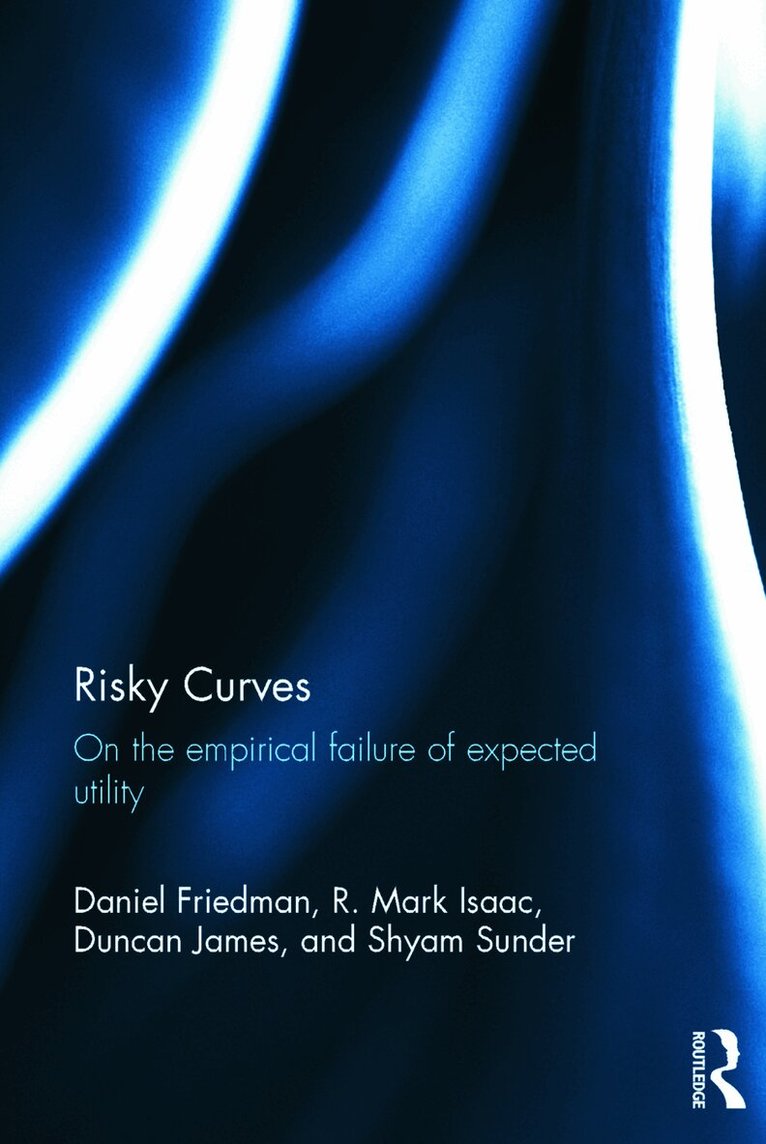
For several decades, the orthodox economics approach to understanding choice under risk has been to assume that each individual person maximizes some sort of personal utility function defined over purchasing power. This new volume contests that even the best wisdom from the orthodox theory has not yet been able to do better than supposedly naïve models that use rules of thumb, or that focus on the consumption possibilities and economic constraints facing the individual.
The authors assert this by first revisiting the origins of orthodox theory. They then recount decades of failed attempts to obtain meaningful empirical validation or calibration of the theory. Estimated shapes and parameters of the "curves" have varied erratically from domain to domain (e.g., individual choice versus aggregate behavior), from context to context, from one elicitation mechanism to another, and even from the same individual at different time periods, sometimes just minutes apart.
This book proposes the return to a simpler sort of scientific theory of risky choice, one that focuses not upon unobservable curves but rather upon the potentially observable opportunities and constraints facing decision makers. It argues that such an opportunities-based model offers superior possibilities for scientific advancement. At the very least, linear utility – in the presence of constraints - is a useful bar for the "curved" alternatives to clear.

992 kr
Läs direkt efter köp
For several decades, the orthodox economics approach to understanding choice under risk has been to assume that each individual person maximizes some sort of personal utility function defined over purchasing power. This new volume contests that even the best wisdom from the orthodox theory has not yet been able to do better than supposedly naïve models that use rules of thumb, or that focus on the consumption possibilities and economic constraints facing the individual.
The authors assert this by first revisiting the origins of orthodox theory. They then recount decades of failed attempts to obtain meaningful empirical validation or calibration of the theory. Estimated shapes and parameters of the "curves" have varied erratically from domain to domain (e.g., individual choice versus aggregate behavior), from context to context, from one elicitation mechanism to another, and even from the same individual at different time periods, sometimes just minutes apart.
This book proposes the return to a simpler sort of scientific theory of risky choice, one that focuses not upon unobservable curves but rather upon the potentially observable opportunities and constraints facing decision makers. It argues that such an opportunities-based model offers superior possibilities for scientific advancement. At the very least, linear utility – in the presence of constraints - is a useful bar for the "curved" alternatives to clear.

175 kr
Skickas inom 7-10 vardagar
557 kr
Skickas inom 7-10 vardagar
346 kr
Läs direkt efter köp
205 kr
Skickas inom 7-10 vardagar
572 kr
Tillfälligt slut
252 kr
Tillfälligt slut