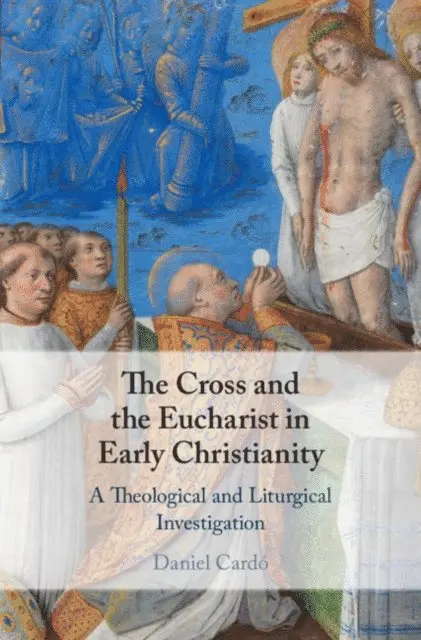
The Cross was present at the Eucharist in early Christianity as an idea, a gesture, and an object. Over time, these different actualizations of the quintessential symbol of Christianity have generated important questions about their meaning and function, among them: is the Eucharist a meal and/or a sacrifice? Can the sign of the Cross illuminate the absence of a Roman epiclesis? Is it pertinent -historically and theologically - to use an altar Cross? In this study, Daniel Cardó explores the relation between the Cross and the Eucharist. Offering a thorough and fresh reading of patristic and Roman liturgical texts, he identifies their emphases and common themes on the Cross and the Eucharist, and demonstrates their significance for the liturgical debates of recent decades.
The Cross was present at the Eucharist in early Christianity as an idea, a gesture, and an object. Over time, these different actualizations of the quintessential symbol of Christianity have generated important questions about their meaning and function, among them: is the Eucharist a meal and/or a sacrifice? Can the sign of the Cross illuminate the absence of a Roman epiclesis? Is it pertinent -historically and theologically - to use an altar Cross? In this study, Daniel Cardó explores the relation between the Cross and the Eucharist. Offering a thorough and fresh reading of patristic and Roman liturgical texts, he identifies their emphases and common themes on the Cross and the Eucharist, and demonstrates their significance for the liturgical debates of recent decades.
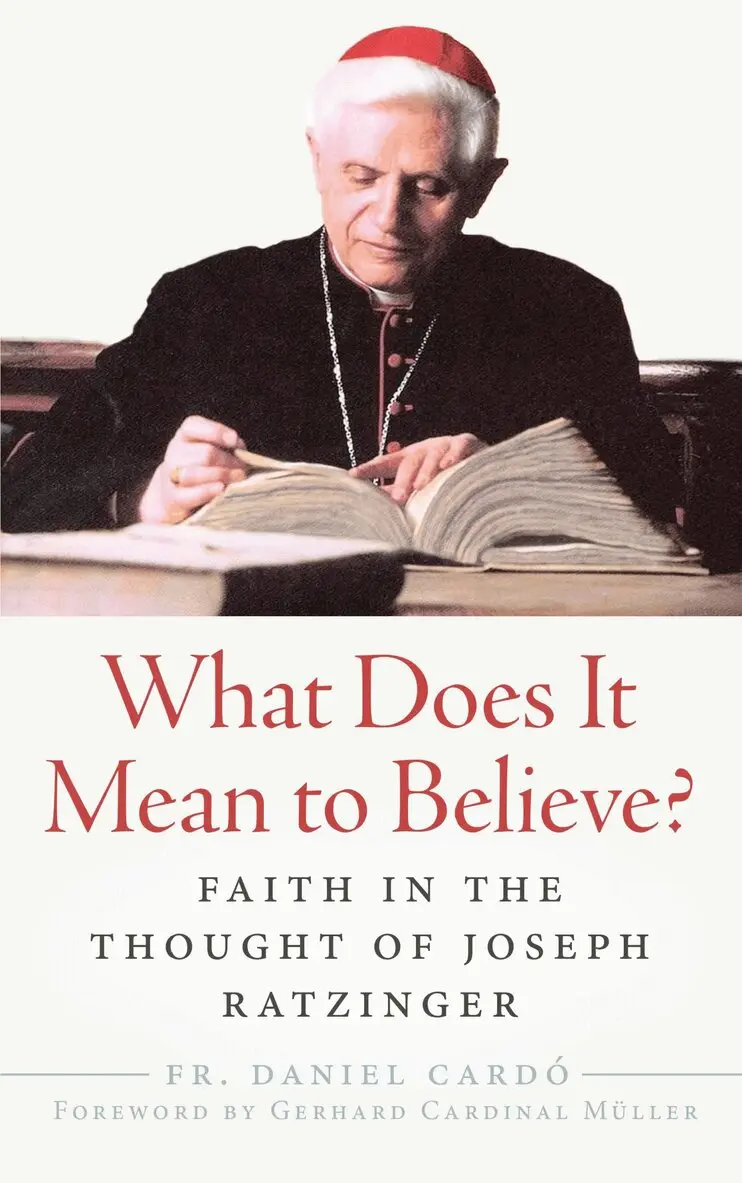
The testimony and teachings of Joseph Ratzinger on the act of faith are particularly urgent for the Church today. Doctrinal confusion and other signs of crisis experienced by believers find their root in a crisis of faith. Understanding what it means to believe is more than an academic exercise; rather, it is a necessary step for authentic renewal in the Church.In this book, Fr. Daniel Cardó outlines the different insights of Joseph Ratzinger on the act of faith - understood as a personal, integral, and ecclesial act. Cardó provides an organic view of the rich contribution made by the Pope Emeritus in his many theological works.What Does it Mean to Believe? is also an invitation to appreciate the mind and the faith of one of the greatest theologians of our time.
¿Cómo preparar una homilía? ¿Cómo exponerla ante los fieles con eficacia? ¿Dónde encontrar el fundamento? El autor acude a las grandes lecciones de retórica clásica y contemporánea y a las enseñanzas recientes del Magisterio de la Iglesia. En su segunda parte, recoge catorce homilías de todos los tiempos, con su introducción y comentarios.