2 311 kr
Skickas inom 10-15 vardagar
2 311 kr
Skickas inom 10-15 vardagar
1 840 kr
Skickas inom 7-10 vardagar
369 kr
Läs direkt efter köp
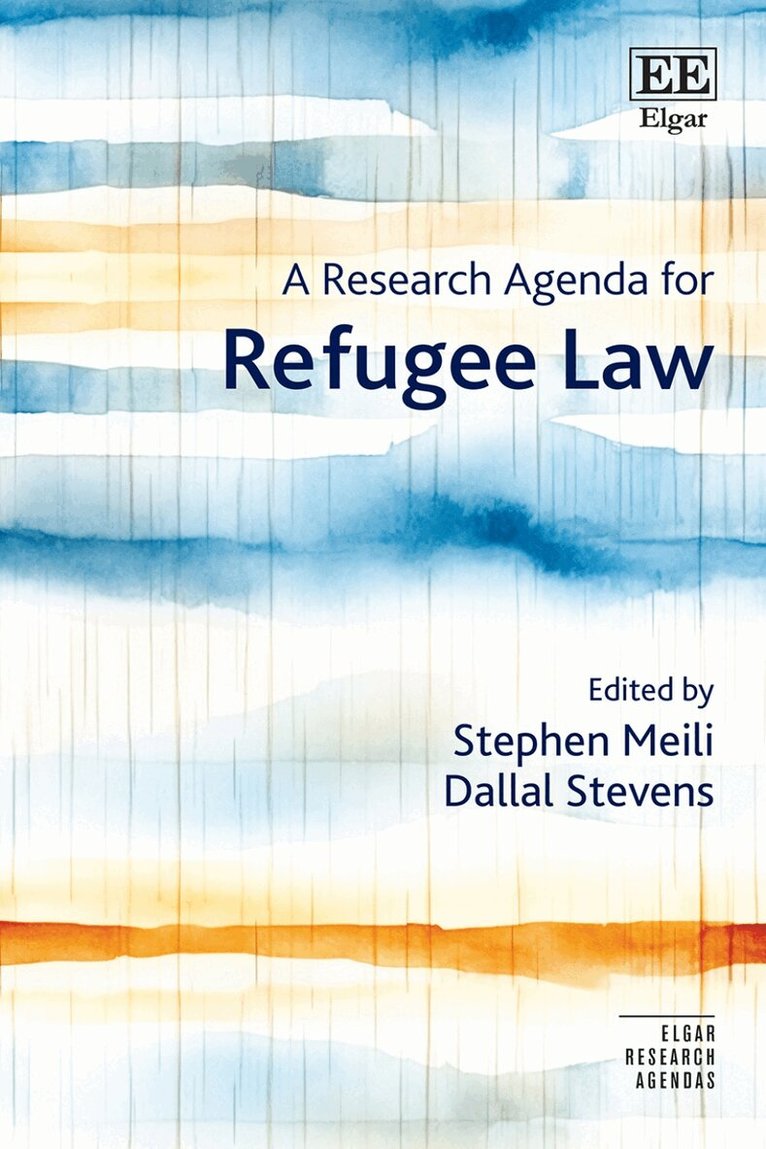
This enlightening Research Agenda explores international refugee law through marginalised topics and perspectives. A diverse array of leading experts propose new research avenues for centring forgotten voices at a time of increasingly complex and rampant government-fuelled xenophobia.
Chapters assess how states have shrewdly adapted to changes in migration patterns and causation, resulting in difficulties in ensuring the humane treatment of migrants. Contributors decentre Eurocentric frameworks to legitimise and prioritise the lived experiences of displaced persons, allowing them to interrogate the impact of colonialism in refugee scholarship and practices. The Research Agenda moves beyond the limitations of asylum law regimes to focus more broadly on mobility, decolonialism and feminist approaches. It encourages scholars to partner with displaced persons, reframing refugee law to reflect the realities of those it is designed to protect.
A Research Agenda for Refugee Law is a vital resource for scholars and students of refugee law, international law and politics and public policy. Human rights lawyers and asylum workers will similarly benefit from its radical lens and reconceptualisation of the field.
877 kr
Läs direkt efter köp
Sixty years on from the signing of the Refugee Convention, forced migration and refugee movements continue to raise global concerns for hosting states and regions, for countries of origin, for humanitarian organisations on the ground, and, of course, for the refugee. This edited volume is framed around two themes which go to the core of contemporary ‘refugeehood’: protection and identity. It analyses how the issue of refugee identity is shaped by and responds to the legal regime of refugee protection in contemporary times.
The book investigates the premise that there is a narrowing of protection space in many countries and many highly visible incidents of refoulement. It argues that ‘Protection’, which is a core focus of the Refugee Convention, appears to be under threat, as there are many gaps and inconsistencies in practice.
Contributors to the volume, who include Erika Feller, Elspeth Guild, Hélène Lambert and Roger Zetter, look at the relevant issues from the perspective of a number of different disciplines including law, politics, sociology, and anthropology. The chapters examine the link between identity and protection as a basis for understanding how the Refugee Convention has been and is being applied in policy and practice. The situation in a number of jurisdictions and regions in Europe, North America, South East Asia, Africa and the Middle East is explored in order to ask the question does jurisprudence under the Refugee Convention need better coordination and how successful is oversight of the Convention?
864 kr
Läs direkt efter köp
Sixty years on from the signing of the Refugee Convention, forced migration and refugee movements continue to raise global concerns for hosting states and regions, for countries of origin, for humanitarian organisations on the ground, and, of course, for the refugee. This edited volume is framed around two themes which go to the core of contemporary ‘refugeehood’: protection and identity. It analyses how the issue of refugee identity is shaped by and responds to the legal regime of refugee protection in contemporary times.
The book investigates the premise that there is a narrowing of protection space in many countries and many highly visible incidents of refoulement. It argues that ‘Protection’, which is a core focus of the Refugee Convention, appears to be under threat, as there are many gaps and inconsistencies in practice.
Contributors to the volume, who include Erika Feller, Elspeth Guild, Hélène Lambert and Roger Zetter, look at the relevant issues from the perspective of a number of different disciplines including law, politics, sociology, and anthropology. The chapters examine the link between identity and protection as a basis for understanding how the Refugee Convention has been and is being applied in policy and practice. The situation in a number of jurisdictions and regions in Europe, North America, South East Asia, Africa and the Middle East is explored in order to ask the question does jurisprudence under the Refugee Convention need better coordination and how successful is oversight of the Convention?

690 kr
Skickas inom 10-15 vardagar
1 314 kr
Skickas inom 10-15 vardagar
602 kr
Läs direkt efter köp
602 kr
Läs direkt efter köp
555 kr
Skickas inom 10-15 vardagar
1 227 kr
Skickas inom 7-10 vardagar
284 kr
Läs direkt efter köp
371 kr
Skickas inom 7-10 vardagar
286 kr
Läs direkt efter köp