652 kr
Läs direkt efter köp
652 kr
Läs direkt efter köp
439 kr
Skickas inom 7-10 vardagar
Although Spring Framework simplifies enterprise Java development, it can require a lot from developers in terms of framework configuration. Spring Boot radically streamlines the process of creating Spring applications by employing automatic configuration, along with a programming model built around established conventions for build-time and runtime dependencies. It also provides a component that gives insight into the internals of a running application and a handy CLI that can be used to write command-line scripts in Groovy. Developers who have used Spring Boot say that they can't imagine ever going back to hand-configuring their applications.
Spring Boot in Action is a developer-focused guide to writing applications using Spring Boot. It shows readers how to bypass the tedious configuration steps so that they can concentrate on their application's behavior. Using interesting, relevant examples, Spring expert Craig Walls shows both how to use the default settings effectively and how to override and customize Spring Boot for each unique environment. Along the way, it offers insights from Craig's years of Spring development experience.
KEY SELLING POINTS
Practical hands-on guide
Quickly develop Spring applications
Author insights based on years of Spring Development
Covers newest features of Spring Boot
AUDIENCE
Written for readers familiar with the Spring Framework.
ABOUT THE TECHNOLOGY
Spring Boot brings a convention-over-configuration programming model to the Spring Framework. With Spring Boot, Spring developers can focus on producing application functionality with little effort spent on configuring Spring itself.
464 kr
Skickas inom 7-10 vardagar
"To me, this has always been the defacto standard for documentation on the Spring Framework. I bought the 1st edition when it first came out as we were converting alegacy app to Spring and this book was essential in learning how the current version worked." - Tony Sweets
A new edition of the classic bestseller! Spring in Action, 6th Edition covers all of the new features of Spring 5.3 and Spring Boot 2.4 along with examples of reactive programming, Spring Security for REST Services, and bringing reactivity to your databases. You'll also find the latest Spring best practices, including Spring Boot for application setup and configuration.
about the technologySpring Framework makes life easier for Java developers. The latest version of Spring brings its productivity-focused approach to microservices, reactive development, and other modern application designs. With Spring Boot now fully integrated, you can start even complex projects with minimal configuration code. And in recent version of Spring, the new RSocket specification makes your application's networking symmetrical—perfect for reactive design.
about the bookSpring in Action, 6th Edition guides you through Spring's core features explained in Craig Walls' famously clear style. You'll roll up your sleeves and build a secure database-backed web app step by step. Along the way, you'll explore reactive programming, microservices, service discovery, RESTful APIs, deployment, and expert best practices. The latest version of a bestseller upgraded for Spring 5.3 and Spring Boot 2.4, this new edition also covers the RSocket specification for reactive networking between applications and delves deep into essential features of Spring Security. Whether you're just discovering Spring or leveling up to Spring 5.3, this Manning classic is your ticket!
what's insideBuilding reactive applicationsRelational and NoSQL databasesIntegrating via HTTP and REST-based services, and sand reactive RSocket servicesReactive programming techniquesDeploying applications to traditional servers and containersSecuring applications with Spring SecurityCovers Spring 5.2
about the authorCraig Walls is a principal software engineer at Pivotal, a member of the Spring engineering team, a popular author, and a frequent conference speaker.We interviewed Craig as a part of our Six Questions series. Check it out here.
429 kr
Skickas inom 7-10 vardagar
Java skills are solid, but AI feels like distant rocket science. What if you could add ChatGPT style magic without abandoning Spring Boot? Stop stitching fragile APIs; start coding AI features in familiar Java. Summaries, assistants, smart search, all within the framework you deploy daily. Spring AI bridges the gap between generative power and enterprise reliability. This book shows the path from hello world to production ready AI services.
Spring AI foundations explained: Write AI code with the same patterns as regular Spring. Virtual assistant walkthrough: Deliver conversational support to users without external chatbot platforms. Retrieval Augmented Generation pattern: Serve accurate, context-aware answers from your own data. Image and text conversions: Enrich applications with multimodal capabilities users immediately notice. Production-ready tips and tests: Ship reliable, maintainable AI services your ops team trusts.Spring AI in Action by Craig Walls offers the first authoritative guide to Spring’s new AI extension from a renowned Spring engineer.
Through clear explanations and fully annotated code, the book moves from a simple “Hello AI” to advanced RAG, multimodal prompts, and conversation memory. Each chapter delivers runnable examples you can drop into your projects.
By the final page you will integrate large-language-model power directly in Java, shorten development cycles, and wow users with intelligent features.
Ideal for Spring developers who want AI without a Python detour and architects standardizing on the Java stack.
519 kr
Läs direkt efter köp
PART 1 - FOUNDATIONAL SPRING
Getting started with Spring Developing web applications Working with data Securing Spring Working with configuration propertiesPART 2 - INTEGRATED SPRING
Creating REST services Consuming REST services Sending messages asynchronously Integrating SpringPART 3 - REACTIVE SPRING
Introducing Reactor Developing reactive APIs Persisting data reactivelyPART 4
CLOUD-NATIVE SPRING
Discovering services Managing configuration Handling failure and latencyPART 5 - DEPLOYED SPRING
Working with Spring Boot Actuator Administering Spring Monitoring Spring with JMX Deploying Spring665 kr
Läs direkt efter köp
APPENDIXES
Spring Boot developer toolsSpring Boot startersConfiguration propertiesSpring Boot dependencies585 kr
Läs direkt efter köp
472 kr
Skickas inom 7-10 vardagar
414 kr
Läs direkt efter köp
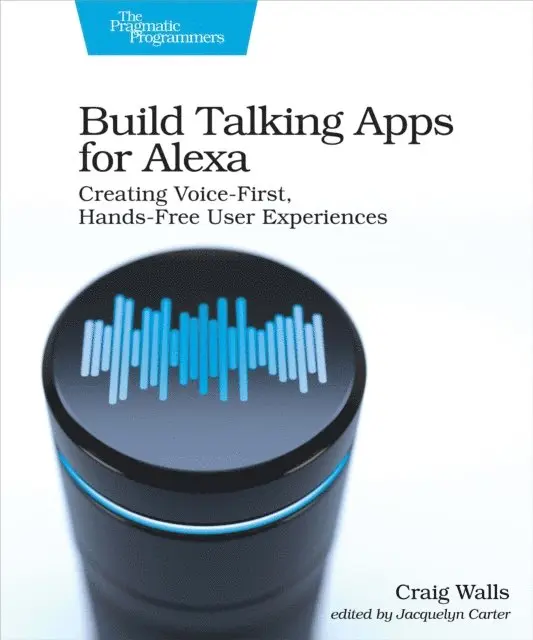
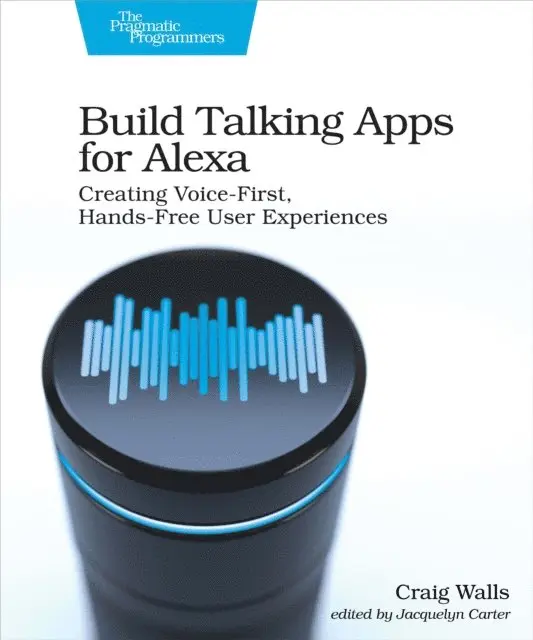
Voice recognition is here at last. Alexa and other voice assistants have now become widespread and mainstream. Is your app ready for voice interaction? Learn how to develop your own voice applications for Amazon Alexa. Start with techniques for building conversational user interfaces and dialog management. Integrate with existing applications and visual interfaces to complement voice-first applications. The future of human-computer interaction is voice, and we''ll help you get ready for it.
For decades, voice-enabled computers have only existed in the realm of science fiction. But now the Alexa Skills Kit (ASK) lets you develop your own voice-first applications. Leverage ASK to create engaging and natural user interfaces for your applications, enabling them to listen to users and talk back. You''ll see how to use voice and sound as first-class components of user-interface design.
We''ll start with the essentials of building Alexa voice applications, called skills, including useful tools for creating, testing, and deploying your skills. From there, you can define parameters and dialogs that will prompt users for input in a natural, conversational style.
Integrate your Alexa skills with Amazon services and other backend services to create a IPS user experience. Discover how to tailor Alexa''s voice and language to create more engaging responses and speak in the user''s own language. Complement the voice-first experience with visual interfaces for users on screen-based devices. Add options for users to buy upgrades or other products from your application. Once all the pieces are in place, learn how to publish your Alexa skill for everyone to use.
Create the future of user interfaces using the Alexa Skills Kit today.
What You Need:
You will need a computer capable of running the latest version of Node.js, a Git client, and internet access.