3 883 kr
Skickas inom 10-15 vardagar
3 883 kr
Skickas inom 10-15 vardagar
723 kr
Skickas inom 10-15 vardagar
305 kr
Skickas inom 10-15 vardagar
2 571 kr
Skickas inom 10-15 vardagar
849 kr
Läs direkt efter köp
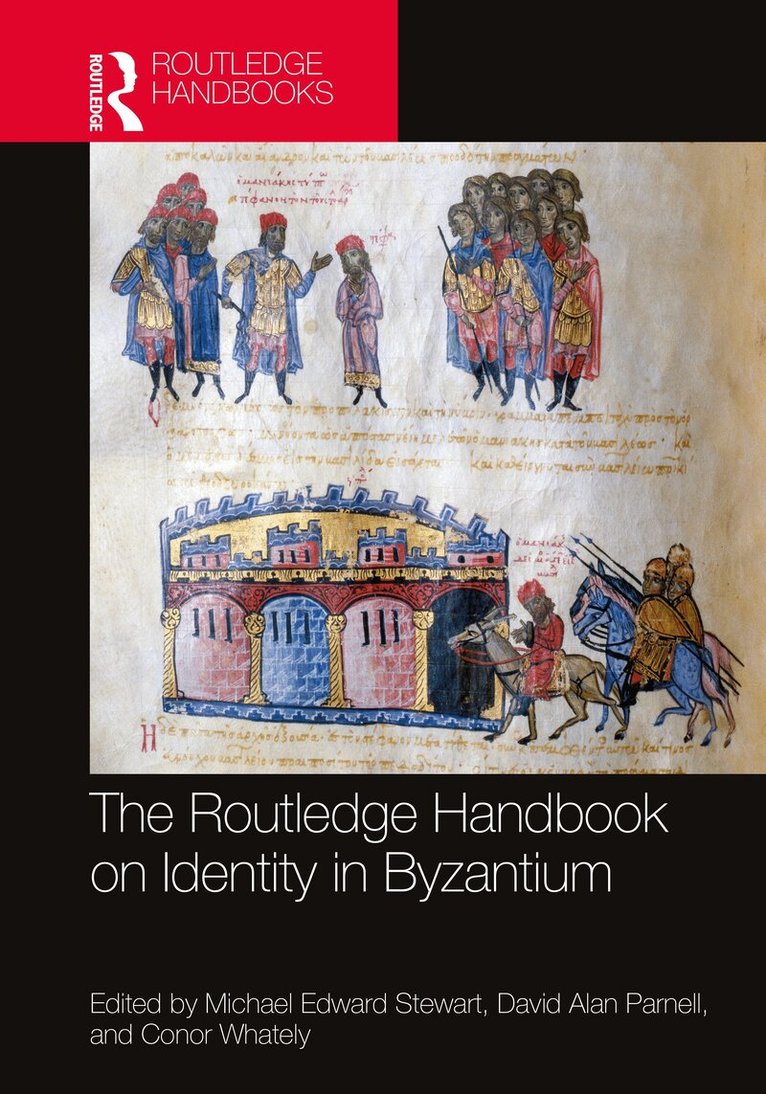
This volume is the first to focus solely on how specific individuals and groups in Byzantium and its borderlands were defined and distinguished from other individuals and groups from the mid-fourth to the close of the fifteenth century. It gathers chapters from both established and emerging scholars from a wide range of disciplines across history, art, archaeology, and religion to provide an accurate representation of the state of the field both now and in its immediate future. The handbook is divided into four subtopics that examine concepts of group and specific individual identity which have been chosen to provide methodologically sophisticated and multidisciplinary perspectives on specific categories of group and individual identity. The topics are Imperial Identities; Romanitas in the Late Antique Mediterranean; Macro and Micro Identities: Religious, Regional, and Ethnic Identities, and Internal Others; and Gendered Identities: Literature, Memory, and Self in Early and Middle Byzantium. While no single volume could ever provide a comprehensive vision of identities on the vast variety of peoples within Byzantium over nearly a millennium of its history, this handbook represents a milestone in offering a survey of the vibrant surge of scholarship examining the numerous and oft-times fluctuating codes of identity that shaped and transformed Byzantium and its neighbours during the empire’s long life.
843 kr
Läs direkt efter köp
This volume is the first to focus solely on how specific individuals and groups in Byzantium and its borderlands were defined and distinguished from other individuals and groups from the mid-fourth to the close of the fifteenth century. It gathers chapters from both established and emerging scholars from a wide range of disciplines across history, art, archaeology, and religion to provide an accurate representation of the state of the field both now and in its immediate future. The handbook is divided into four subtopics that examine concepts of group and specific individual identity which have been chosen to provide methodologically sophisticated and multidisciplinary perspectives on specific categories of group and individual identity. The topics are Imperial Identities; Romanitas in the Late Antique Mediterranean; Macro and Micro Identities: Religious, Regional, and Ethnic Identities, and Internal Others; and Gendered Identities: Literature, Memory, and Self in Early and Middle Byzantium. While no single volume could ever provide a comprehensive vision of identities on the vast variety of peoples within Byzantium over nearly a millennium of its history, this handbook represents a milestone in offering a survey of the vibrant surge of scholarship examining the numerous and oft-times fluctuating codes of identity that shaped and transformed Byzantium and its neighbours during the empire’s long life.
949 kr
Läs direkt efter köp
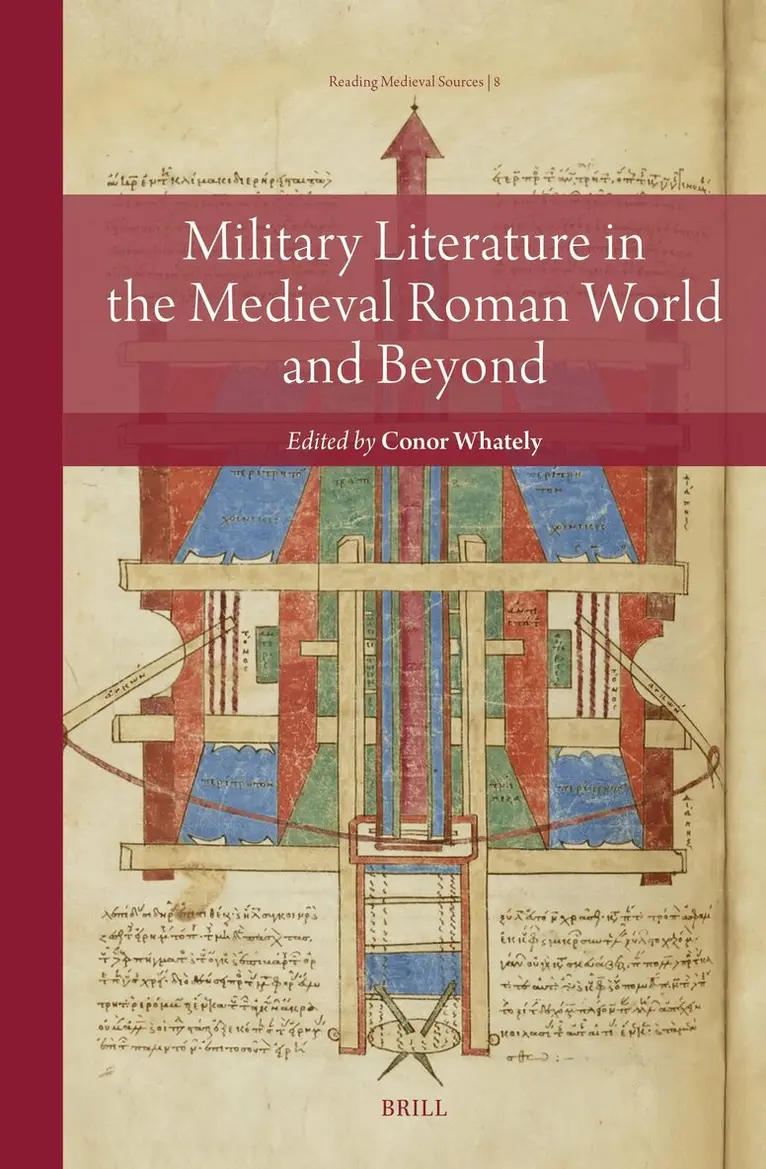
This volume explores the enigmatic primary source known as the ancient military manual. In particular, the volume explores the extent to which these diverse texts constitute a genre (sometimes unsatisfactorily classified as ‘technical literature’), and the degree to which they reflect the practice of warfare.
With contributions from a diverse group of scholars, the chapters examine military manuals from early Archaic Greece to the Byzantine period, covering a wide range of topics including readership, siege warfare, mercenaries, defeat, textual history, and religion. Coverage includes most of the major contemporary siege manual writers, including Xenophon, Frontinus, Vegetius, and Maurice. Close examination of these texts serves to reveals the complex ways in which ancient Greeks, Romans, and Byzantines sought to understand better, and impose order upon, the seemingly irrational phenomenon known as war.
Providing insight into the multifaceted collection of texts that constituted military manuals, this volume is a key resource for students and scholars of warfare and military literature in the classical and Byzantine periods.
935 kr
Läs direkt efter köp
This volume explores the enigmatic primary source known as the ancient military manual. In particular, the volume explores the extent to which these diverse texts constitute a genre (sometimes unsatisfactorily classified as ‘technical literature’), and the degree to which they reflect the practice of warfare.
With contributions from a diverse group of scholars, the chapters examine military manuals from early Archaic Greece to the Byzantine period, covering a wide range of topics including readership, siege warfare, mercenaries, defeat, textual history, and religion. Coverage includes most of the major contemporary siege manual writers, including Xenophon, Frontinus, Vegetius, and Maurice. Close examination of these texts serves to reveals the complex ways in which ancient Greeks, Romans, and Byzantines sought to understand better, and impose order upon, the seemingly irrational phenomenon known as war.
Providing insight into the multifaceted collection of texts that constituted military manuals, this volume is a key resource for students and scholars of warfare and military literature in the classical and Byzantine periods.
743 kr
Skickas inom 10-15 vardagar
357 kr
Läs direkt efter köp
347 kr
Läs direkt efter köp
483 kr
Skickas inom 7-10 vardagar
541 kr
Läs direkt efter köp
Follows the military lives of three soldiers across the Roman world, providing interesting, historical insight into the Roman military from the late republic to the end of antiquity in the west
This book introduces readers to three historical Roman soldiers—Titus Pullo from the late republic, Aurelius Polion from the high imperial era, and Flavius Aemilianus from late antiquity. The three men inspire the themes and chronological organization of the text. Drawing on a wide and diverse body of evidence, the author charts their lives from enlistment to death or retirement, allowing students to envision the life of a Roman soldier who is on duty or experiencing adventures across the Roman world.
An Introduction to the Roman Military: From Marius (100 BCE) to Theodosius II (450 CE) starts with a historical overview before introducing readers to the Roman soldier. It covers such things as the military hierarchy, soldierly origins, recruitment and training, and the soldier''s appearance and identity. The next section looks at the Roman military during war—its environment, strategies, campaigns, and enemies. Their existence during times of peace follows that and focuses on how soldiers celebrated victory, mourned defeat, and readjusted to civilian life after a war. The book also features a timeline for readers to follow, as well as two glossaries—one filled with Roman military terms and the other with important names and events.
Authentically captures the experiences of Roman soldiers Educates undergraduate or graduate students on Roman military history Describes Roman soldiers based on legal, epigraphic, and archaeological evidence Emphasizes the human side of the Roman military Moves through three Roman historical periods—the late republic, high imperial, and late antiquityAn Introduction to the Roman Military is an engaging choice as a text for specific courses on the Roman military or army. It is also suitable for more general courses covering ancient warfare.
In addition to university students, researchers and history enthusiasts will have the opportunity to follow the military lives of three Roman soldiers with this unique book.
553 kr
Läs direkt efter köp
Follows the military lives of three soldiers across the Roman world, providing interesting, historical insight into the Roman military from the late republic to the end of antiquity in the west
This book introduces readers to three historical Roman soldiers—Titus Pullo from the late republic, Aurelius Polion from the high imperial era, and Flavius Aemilianus from late antiquity. The three men inspire the themes and chronological organization of the text. Drawing on a wide and diverse body of evidence, the author charts their lives from enlistment to death or retirement, allowing students to envision the life of a Roman soldier who is on duty or experiencing adventures across the Roman world.
An Introduction to the Roman Military: From Marius (100 BCE) to Theodosius II (450 CE) starts with a historical overview before introducing readers to the Roman soldier. It covers such things as the military hierarchy, soldierly origins, recruitment and training, and the soldier''s appearance and identity. The next section looks at the Roman military during war—its environment, strategies, campaigns, and enemies. Their existence during times of peace follows that and focuses on how soldiers celebrated victory, mourned defeat, and readjusted to civilian life after a war. The book also features a timeline for readers to follow, as well as two glossaries—one filled with Roman military terms and the other with important names and events.
Authentically captures the experiences of Roman soldiers Educates undergraduate or graduate students on Roman military history Describes Roman soldiers based on legal, epigraphic, and archaeological evidence Emphasizes the human side of the Roman military Moves through three Roman historical periods—the late republic, high imperial, and late antiquityAn Introduction to the Roman Military is an engaging choice as a text for specific courses on the Roman military or army. It is also suitable for more general courses covering ancient warfare.
In addition to university students, researchers and history enthusiasts will have the opportunity to follow the military lives of three Roman soldiers with this unique book.
1 546 kr
Kommande
Where most books on military affairs in Late Antiquity focus on wars and generals, this book provides the first detailed examination of the lived experiences of Romes low-ranking soldiers. Using a broad array of evidence including, among many other sources, the Codices Theodosianus and Justinianus, the Anastasius edicts, the papyri from Nessana and Syene, the military handbooks (Maurices Strategikon), classicizing histories (Procopius, Agathias, and Theophylact Simocatta), and the physical remains of sites like el-Lejjun (Jordan), this book reconstructs the life of a solider in the late antique East. The books intention is to unearth the lived experiences of the soldiers: where they came from, what was expected of them, what activities they were engaged in, where they lived, and what they ate. Where possible, soldiers mentality, both in combat and with respect to their wider interactions with the civilian communities, their officers and generals, and the state is also explored. Using the rich legal evidence as its foundation and covering a formative period in the Roman Empires history (AD 450-600), this book reveals that for all the challenges that a Roman soldier faced the military remained a viable and attractive career choice for many at the end of antiquity.
2 209 kr
Skickas inom 10-15 vardagar
The Roman Army in Moesia from Augustus to Severus Alexander
394 kr
Skickas inom 3-6 vardagar
220 kr
Skickas
15 kr
Läs direkt efter köp
15 kr
Läs direkt efter köp
2 535 kr
Skickas inom 7-10 vardagar
3 042 kr
Skickas inom 7-10 vardagar