Häftad, Engelska, 2006
159 kr
Skickas inom 7-10 vardagar
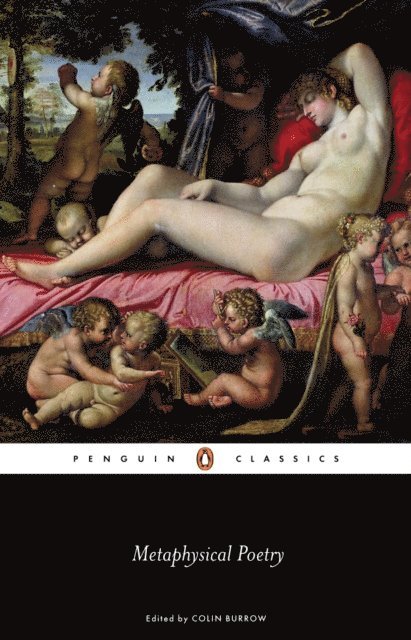
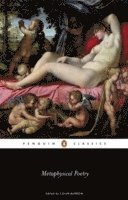
A key anthology for students of English literature, Metaphysical Poetry is a collection whose unique philosophical insights are some of the crowning achievements of Renaissance verse, edited with an introduction and notes by Colin Burrow in Penguin Classics.Spanning the Elizabethan age to the Restoration and beyond, Metaphysical poetry sought to describe a time of startling progress, scientific discovery, unrivalled exploration and deep religious uncertainty. This compelling collection of the best and most enjoyable poems from the era includes tightly argued lyrics, erotic and libertine considerations of love, divine poems and elegies of lament by such great figures as John Donne, George Herbert, Andrew Marvell and John Milton, alongside pieces from many other less well known but equally fascinating poets of the age, such as Anne Bradstreet, Katherine Philips and Thomas Traherne. Widely varied in theme, all are characterized by their use of startling metaphors, imagery and language to express the uncertainty of an age, and a profound desire for originality that was to prove deeply influential on later poets and in particular poets of the Modernist movement such as T. S. Eliot.In his introduction, Colin Burrow explores the nature of Metaphysical poetry, its development across the seventeenth century and its influence on later poets and includes A Very Short History of Metaphysical Poetry from Donne to Rochester. This edition also includes detailed notes, a chronology and further reading.Colin Burrow is Reader in Renaissance and Comparative Literature at Gonville and Caius College, Cambridge. He has edited Shakespeare's Sonnets for OUP and The Complete Works of Ben Jonson, and is working on the Elizabethan volume of the Oxford English Literary History.If you enjoyed Metaphysical Poetry, you might like John Donne's Selected Poems, also available in Penguin Classics.