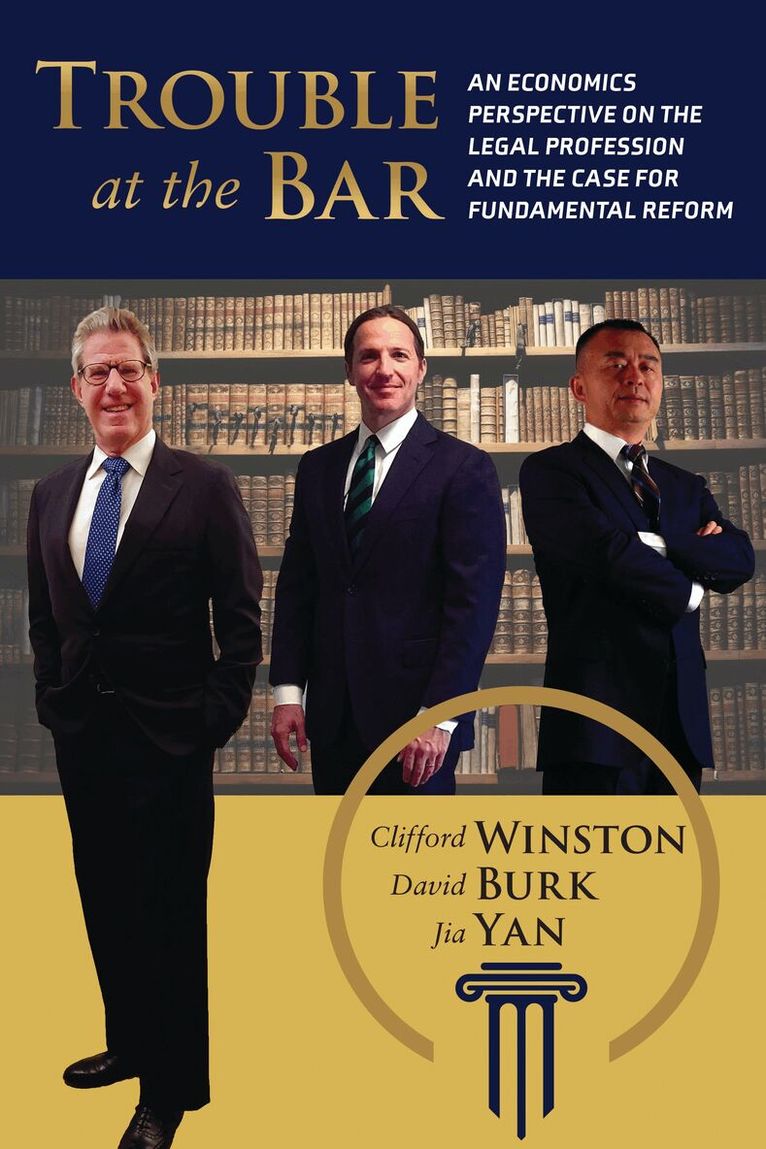
Nearly one-third of US workers must obtain a license from a government agency to perform their jobs legally. This impacts employees across all areas, including lawyers, doctors, and accountants, as well as florists, hairdressers, physical therapists, and plumbers. The justification for occupational licensing is that potential consumers allegedly lack the information and knowledge to judge the competence of a service provider. This necessitates a licensing system built to ensure that customers are served by people who have received adequate training and certification in their profession.
While there are recognizable benefits of occupational licensing, the training and certification requirements create barriers to entry for employees or those entering the profession. These barriers can limit competition, raise service costs, and restrict consumer access to essential services. Recent empirical work suggests that consumers have incurred these costs without being adequately protected from incompetent or unscrupulous service providers. This book addresses this situation head on.
In light of occupational licensing''s shortcomings, the authors of this book propose and analyze constructive reforms, assessing their effects on key professions such as law, medicine, and finance. Chapters identify the significant costs of current policies and they recommend practical reforms that rely more on market forces. The resulting book provides new ways to reduce licensing costs without compromising service quality.