2 602 kr
Skickas inom 10-15 vardagar
2 602 kr
Skickas inom 10-15 vardagar
803 kr
Läs direkt efter köp
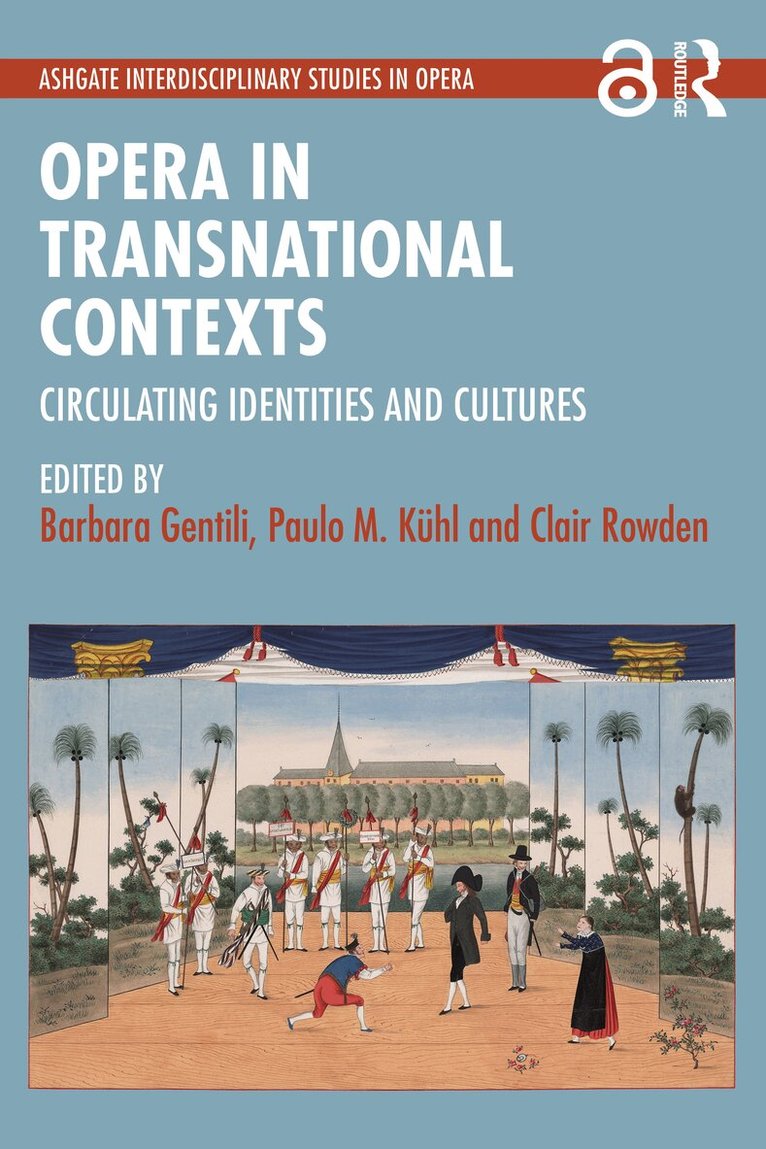
Opera in Transnational Contexts: Circulating Identities and Cultures sheds important light onto the travels of operatic works and the types of cultural exchanges that occurred as a result of the music, composers, singers, impresarios and others moving from one locale to another between the late eighteenth and twentieth centuries.
Contributors reveal how complex constructions of identity and cultural value have been forged through the circulation, production, translation, adaptation and reception of different operatic and non-operatic genres. Engaging with decolonial agendas in North Africa, postcolonial and imperial history in Latin America, cultural dissonances and hegemonic aspirations in Japan, localities and peripheries from the old world to Australia, and the centrality of Europe in historiographies of opera, the chapters examine the dynamics and multifaceted effects of transnational mobility.
The book will be important not only for opera studies, musicology, and music and voice studies, but also for researchers in history, art history, literary studies, translation and cultural studies.
Chapter 14 of this book is freely available as a downloadable Open Access PDF at http://www.taylorfrancis.com under a Creative Commons Creative Commons Attribution-No Derivatives 4.0 International (CC BY-ND)
820 kr
Läs direkt efter köp
Opera in Transnational Contexts: Circulating Identities and Cultures sheds important light onto the travels of operatic works and the types of cultural exchanges that occurred as a result of the music, composers, singers, impresarios and others moving from one locale to another between the late eighteenth and twentieth centuries.
Contributors reveal how complex constructions of identity and cultural value have been forged through the circulation, production, translation, adaptation and reception of different operatic and non-operatic genres. Engaging with decolonial agendas in North Africa, postcolonial and imperial history in Latin America, cultural dissonances and hegemonic aspirations in Japan, localities and peripheries from the old world to Australia, and the centrality of Europe in historiographies of opera, the chapters examine the dynamics and multifaceted effects of transnational mobility.
The book will be important not only for opera studies, musicology, and music and voice studies, but also for researchers in history, art history, literary studies, translation and cultural studies.
Chapter 14 of this book is freely available as a downloadable Open Access PDF at http://www.taylorfrancis.com under a Creative Commons Creative Commons Attribution-No Derivatives 4.0 International (CC BY-ND)
1 475 kr
Skickas inom 7-10 vardagar
411 kr
Läs direkt efter köp
417 kr
Läs direkt efter köp
432 kr
Skickas inom 7-10 vardagar
987 kr
Skickas inom 10-15 vardagar
1 150 kr
Läs direkt efter köp
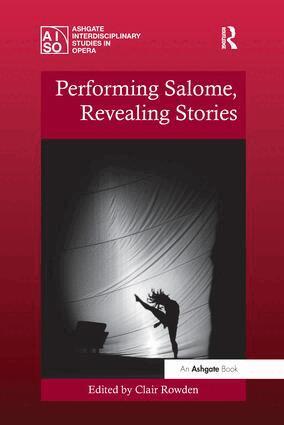
With its first public live performance in Paris on 11 February 1896, Oscar Wilde''s Salomé took on female embodied form that signalled the start of ''her'' phenomenal journey through the history of the arts in the twentieth century. This volume explores Salome''s appropriation and reincarnation across the arts - not just Wilde''s heroine, nor Richard Strauss''s - but Salome as a cultural icon in fin-de-siècle society, whose appeal for ever new interpretations of the biblical story still endures today. Using Salome as a common starting point, each chapter suggests new ways in which performing bodies reveal alternative stories, narratives and perspectives and offer a range and breadth of source material and theoretical approaches. The first chapter draws on the field of comparative literature to investigate the inter-artistic interpretations of Salome in a period that straddles the end of the nineteenth century and the beginning of the Modernist era. This chapter sets the tone for the rest of the volume, which develops specific case studies dealing with censorship, reception, authorial reputation, appropriation, embodiment and performance. As well as the Viennese premiere of Wilde''s play, embodied performances of Salome from the period before the First World War are considered, offering insight into the role and agency of performers in the production and complex negotiation of meaning inherent in the role of Salome. By examining important productions of Strauss''s Salome since 1945, and more recent film interpretations of Wilde''s play, the last chapters explore performance as a cultural practice that reinscribes and continuously reinvents the ideas, icons, symbols and gestures that shape both the performance itself, its reception and its cultural meaning.
1 167 kr
Läs direkt efter köp
With its first public live performance in Paris on 11 February 1896, Oscar Wilde''s Salomé took on female embodied form that signalled the start of ''her'' phenomenal journey through the history of the arts in the twentieth century. This volume explores Salome''s appropriation and reincarnation across the arts - not just Wilde''s heroine, nor Richard Strauss''s - but Salome as a cultural icon in fin-de-siècle society, whose appeal for ever new interpretations of the biblical story still endures today. Using Salome as a common starting point, each chapter suggests new ways in which performing bodies reveal alternative stories, narratives and perspectives and offer a range and breadth of source material and theoretical approaches. The first chapter draws on the field of comparative literature to investigate the inter-artistic interpretations of Salome in a period that straddles the end of the nineteenth century and the beginning of the Modernist era. This chapter sets the tone for the rest of the volume, which develops specific case studies dealing with censorship, reception, authorial reputation, appropriation, embodiment and performance. As well as the Viennese premiere of Wilde''s play, embodied performances of Salome from the period before the First World War are considered, offering insight into the role and agency of performers in the production and complex negotiation of meaning inherent in the role of Salome. By examining important productions of Strauss''s Salome since 1945, and more recent film interpretations of Wilde''s play, the last chapters explore performance as a cultural practice that reinscribes and continuously reinvents the ideas, icons, symbols and gestures that shape both the performance itself, its reception and its cultural meaning.
2 892 kr
Skickas inom 10-15 vardagar