2 542 kr
Skickas inom 10-15 vardagar
2 542 kr
Skickas inom 10-15 vardagar
228 kr
Läs direkt efter köp
831 kr
Läs direkt efter köp
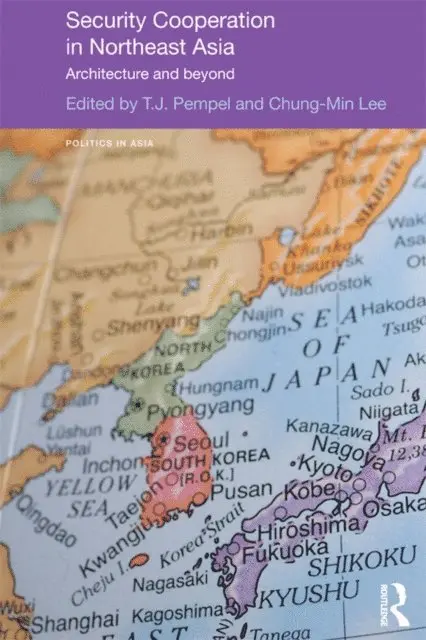
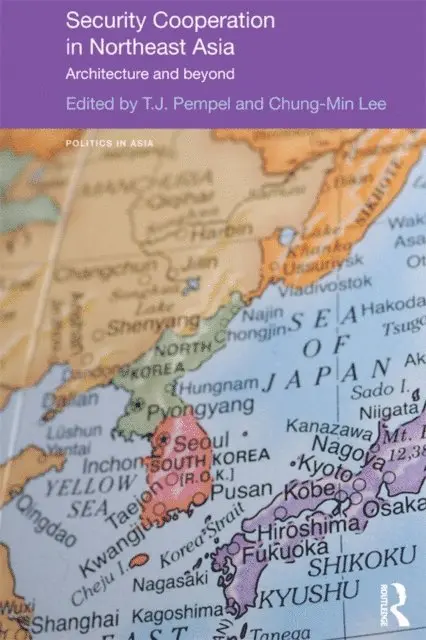
Defining and conceptualizing Northeast Asia’s security complex poses unique quandaries. The security architecture in Northeast Asia to date has been predominately U.S.-dominated bilateral alliances, weak institutional structures and the current Six Party Talks dealing with the North Korean nuclear issue. There has been a distinct lack of desire among regional countries as well as the U.S. to follow in the footsteps of Europe with its robust set of multilateral institutions. However, since the late 1990s, there has been burgeoning interest among regional states towards forming new multilateral institutions as well as reforming and revitalizing existing mechanisms. Much of this effort has been in the economic and political arenas, with the creation of bodies such as the East Asian Summit, but there have also been important initiatives in the security sphere.
This book offers detailed examinations about how this potentially tense region of the world is redefining certain longstanding national interests, and shows how this shift is the result of changing power relations, the desire to protect hard-won economic gains, as well as growing trust in new processes designed to foster regional cooperation over regional conflict.
Presenting new and timely research on topics that are vital to the security future of one of the world’s most important geographical regions, this book will be of great value to students and scholars of Asian politics, regionalism, international politics and security studies.
813 kr
Läs direkt efter köp
Defining and conceptualizing Northeast Asia’s security complex poses unique quandaries. The security architecture in Northeast Asia to date has been predominately U.S.-dominated bilateral alliances, weak institutional structures and the current Six Party Talks dealing with the North Korean nuclear issue. There has been a distinct lack of desire among regional countries as well as the U.S. to follow in the footsteps of Europe with its robust set of multilateral institutions. However, since the late 1990s, there has been burgeoning interest among regional states towards forming new multilateral institutions as well as reforming and revitalizing existing mechanisms. Much of this effort has been in the economic and political arenas, with the creation of bodies such as the East Asian Summit, but there have also been important initiatives in the security sphere.
This book offers detailed examinations about how this potentially tense region of the world is redefining certain longstanding national interests, and shows how this shift is the result of changing power relations, the desire to protect hard-won economic gains, as well as growing trust in new processes designed to foster regional cooperation over regional conflict.
Presenting new and timely research on topics that are vital to the security future of one of the world’s most important geographical regions, this book will be of great value to students and scholars of Asian politics, regionalism, international politics and security studies.
326 kr
Skickas
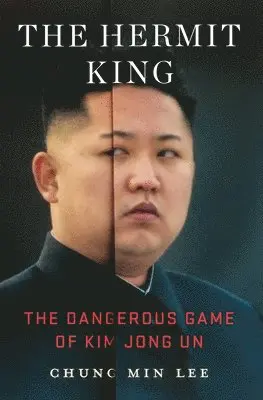
North Korea is poised at the crossroads of history. Which direction will its leader take?Throughout the world, oppressive regimes are being uprooted and replaced by budding democracies, but one exception remains: The People's Republic of North Korea. The Kim family has clung to power for three generations by silencing dissidents, ruling with an iron fist, and holding its neighbors hostage with threats of war. Under the leadership of Kim Jong Un, North Korea has come closer than ever to creating a viable nuclear arsenal, but widespread famine and growing resistance are weakening his regime's stability.In The Hermit King, Asian geopolitical expert Chung Min Lee tells the story of the rise of the Kim Dynasty and its atrocities, motivations, and diplomatic goals. He also discusses the possible outcomes of its aggressive standoff with the world superpowers.Kim Jong Un is not a crazed "Rocket Man" or a bumbling despot; he has been groomed since birth to take control of his country and stay in power at all costs. He is now at a fateful crossroads. Will he make good on decades of threats, liberalize North Korea and gain international legitimacy, or watch his regime crumble around him? Lee analyzes the likelihood and consequences of each of these possibilities, cautioning that in the end, a humanitarian crisis in the region is all but unavoidable. The Hermit King is a thoughtful and compelling look at the most complicated diplomatic situation on Earth.