1 390 kr
Skickas inom 7-10 vardagar
1 390 kr
Skickas inom 7-10 vardagar
338 kr
Skickas inom 7-10 vardagar
294 kr
Läs direkt efter köp
292 kr
Läs direkt efter köp
727 kr
Läs direkt efter köp
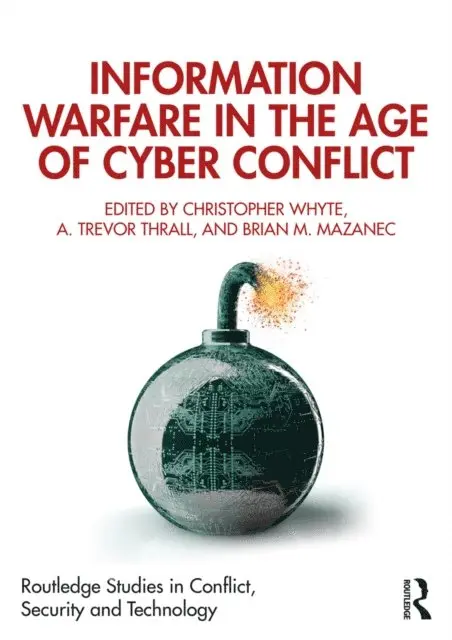
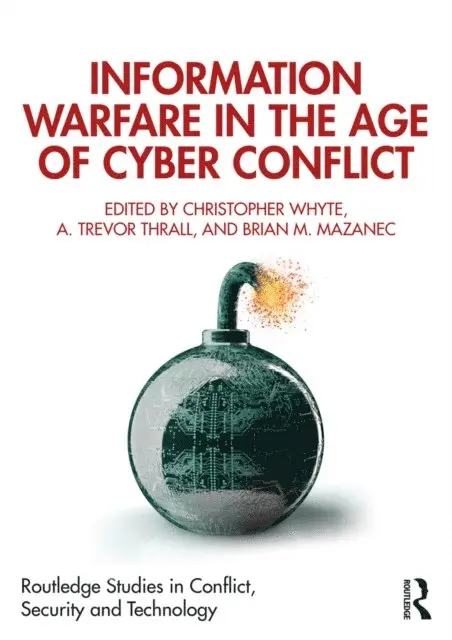
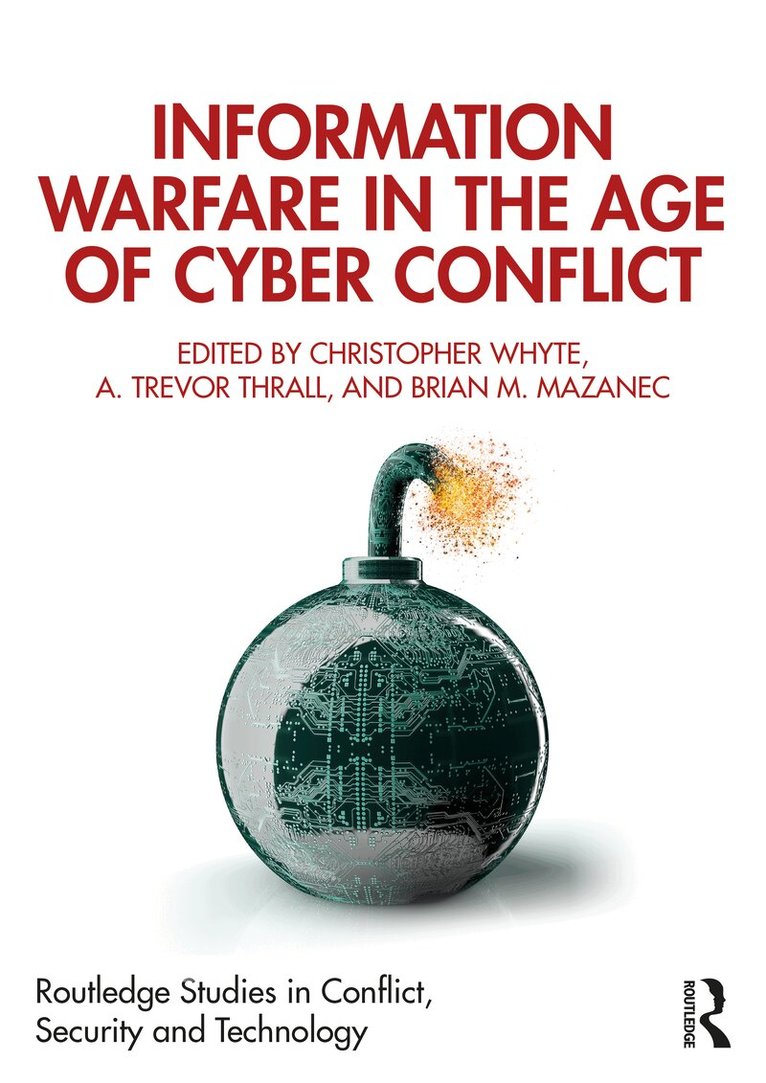
This book examines the shape, sources and dangers of information warfare (IW) as it pertains to military, diplomatic and civilian stakeholders.
Cyber warfare and information warfare are different beasts. Both concern information, but where the former does so exclusively in its digitized and operationalized form, the latter does so in a much broader sense: with IW, information itself is the weapon. The present work aims to help scholars, analysts and policymakers understand IW within the context of cyber conflict. Specifically, the chapters in the volume address the shape of influence campaigns waged across digital infrastructure and in the psychology of democratic populations in recent years by belligerent state actors, from the Russian Federation to the Islamic Republic of Iran. In marshalling evidence on the shape and evolution of IW as a broad-scoped phenomenon aimed at societies writ large, the authors in this book present timely empirical investigations into the global landscape of influence operations, legal and strategic analyses of their role in international politics, and insightful examinations of the potential for democratic process to overcome pervasive foreign manipulation.
This book will be of much interest to students of cybersecurity, national security, strategic studies, defence studies and International Relations in general.
1 197 kr
Skickas inom 10-15 vardagar
1 316 kr
Läs direkt efter köp
1 325 kr
Läs direkt efter köp
409 kr
Kommande
778 kr
Skickas inom 3-6 vardagar
693 kr
Läs direkt efter köp
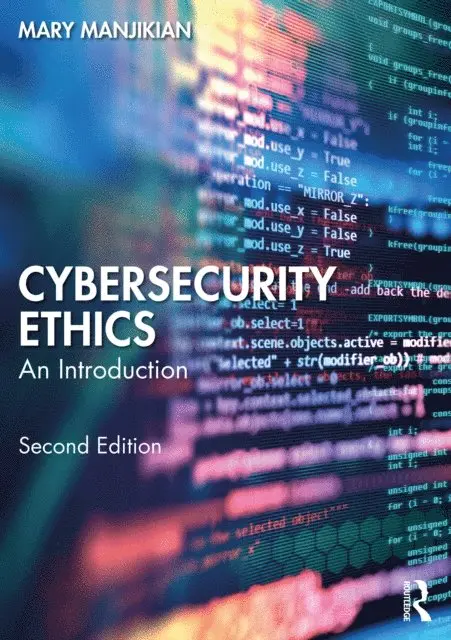
This textbook offers an accessible introduction to the topic of cybersecurity ethics. The second edition has been revised and updated, and contains new chapters on social justice, AI, and Big Data.
The book is split into three parts. Part I provides an introduction to the field of ethics, philosophy, and philosophy of science, three ethical frameworks – virtue ethics, utilitarian ethics, and communitarian ethics – and the notion of ethical hacking. Part II applies these frameworks to particular issues within the field of cybersecurity, including privacy rights, surveillance, and intellectual property. The third part concludes by exploring current codes of ethics used in cybersecurity, with chapters on artificial intelligence, social diversity, Big Data, and cyberwarfare. The overall aims of the book are to:
Provide ethical frameworks to aid decision-making Present the key ethical issues in relation to computer security Highlight the connection between values and beliefs and the professional code of ethicsThe textbook also includes three different features to aid students: "Going Deeper" features provide background on individuals, events, and institutions in cybersecurity; "Critical Issues" features contemporary case studies; and "Tech Talks" contain features that assume some familiarity with technological developments.
The book will be of much interest to students of cybersecurity, cyberethics, hacking, surveillance studies, ethics, and information science.
731 kr
Läs direkt efter köp
This textbook offers an accessible introduction to the historical, technical, and strategic context of global cyber conflict. The second edition has been revised and updated throughout, with three new chapters.
Cyber warfare involves issues of doctrine, strategy, policy, international relations (IR) and operational practice associated with computer network attack, computer network exploitation and computer network defense. However, it is conducted within complex sociopolitical settings alongside related forms of digital contestation. This book provides students with a comprehensive perspective on the technical, strategic and policy issues associated with cyber conflict, as well as an introduction to key state and non-state actors.
Specifically, the book provides a comprehensive overview of several key issue areas:
The historical context of the emergence and evolution of cyber warfare, including the basic characteristics and methods of computer network attack, exploitation and defense An interdisciplinary set of theoretical perspectives on conflict in the digital age from the point of view of the fields of IR, security studies, psychology and science, technology and society (STS) studies Current national perspectives, policies, doctrines and strategies relevant to cyber warfare An examination of key challenges in international law, norm development and deterrence; and The role of emerging information technologies like artificial intelligence and quantum computing in shaping the dynamics of global cyber conflictThis textbook will be essential reading for students of cybersecurity/cyber conflict and information warfare, and highly recommended for students of intelligence studies, security and strategic studies, defense policy, and IR in general.
605 kr
Skickas inom 10-15 vardagar
2 515 kr
Skickas inom 10-15 vardagar
590 kr
Skickas inom 10-15 vardagar
2 136 kr
Skickas inom 10-15 vardagar
2 491 kr
Kommande
633 kr
Kommande
2 601 kr
Skickas inom 10-15 vardagar
716 kr
Skickas inom 10-15 vardagar
1 908 kr
Skickas inom 7-10 vardagar
573 kr
Skickas inom 7-10 vardagar
667 kr
Läs direkt efter köp
An in-depth assessment of innovations in military information technology informs hypothetical outcomes for artificial intelligence adaptations
In the coming decades, artificial intelligence (AI) could revolutionize the way humans wage war. The military organizations that best innovate and adapt to this AI revolution will likely gain significant advantages over their rivals. To this end, great powers such as the United States, China, and Russia are already investing in novel sensing, reasoning, and learning technologies that will alter how militaries plan and fight. The resulting transformation could fundamentally change the character of war.
In Information in War, Benjamin Jensen, Christopher Whyte, and Scott Cuomo provide a deeper understanding of the AI revolution by exploring the relationship between information, organizational dynamics, and military power. The authors analyze how militaries adjust to new information communication technology historically to identify opportunities, risks, and obstacles that will almost certainly confront modern defense organizations as they pursue AI pathways to the future. Information in War builds on these historical cases to frame four alternative future scenarios exploring what the AI revolution could look like in the US military by 2040.
264 kr
Skickas
184 kr
Skickas
456 kr
Tillfälligt slut