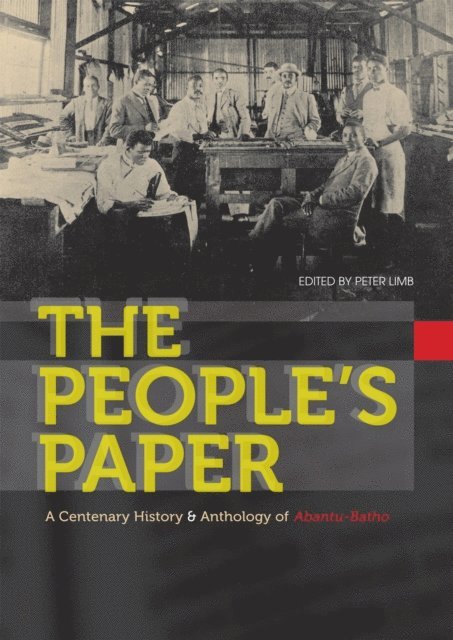
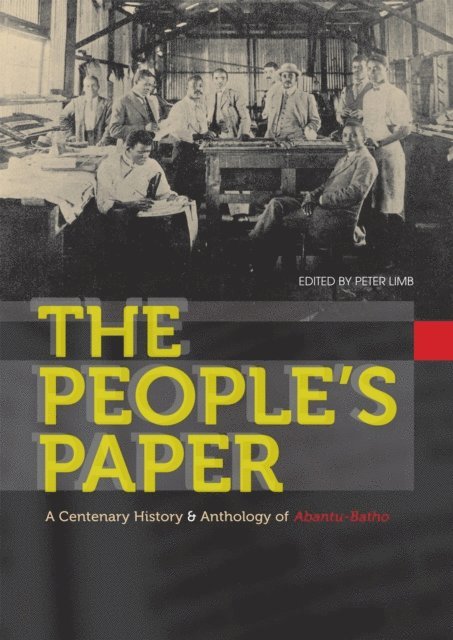
This much-awaited volume uncovers the long-lost pages of the major African multilingual newspaper, Abantu-Batho. Founded in 1912 by African National Congress (ANC) convenor Pixley Seme, with assistance from the Swazi Queen, it was published up until 1931, attracting the cream of African politicians, journalists and poets Mqhayi, Nontsisi Mgqweth, and Grendon. In its pages burning issues of the day were articulated alongside cultural by-ways. The People’s Paper – comprising both essays and an anthology – explores the complex movements and individuals that emerged in the almost twenty years of its publication. The essays contribute rich, new material to provide clearer insights into South African politics and intellectual life. The anthology unveils a judicious selection of never-before published columns from the paper spanning every year of its life and drawn from repositories on three continents. Abantu-Batho had a regional and international focus, and by examining all these dynamics across boundaries and disciplines, The People’s Paper transcends established historiographical frontiers to fill a lacuna that scholars have long lamented.
This much-awaited volume uncovers the long-lost pages of the major African multilingual newspaper, Abantu-Batho. Founded in 1912 by African National Congress (ANC) convenor Pixley Seme, with assistance from the Swazi Queen, it was published up until 1931, attracting the cream of African politicians, journalists and poets Mqhayi, Nontsisi Mgqweth, and Grendon. In its pages burning issues of the day were articulated alongside cultural by-ways. The People’s Paper – comprising both essays and an anthology – explores the complex movements and individuals that emerged in the almost twenty years of its publication. The essays contribute rich, new material to provide clearer insights into South African politics and intellectual life. The anthology unveils a judicious selection of never-before published columns from the paper spanning every year of its life and drawn from repositories on three continents. Abantu-Batho had a regional and international focus, and by examining all these dynamics across boundaries and disciplines, The People’s Paper transcends established historiographical frontiers to fill a lacuna that scholars have long lamented.
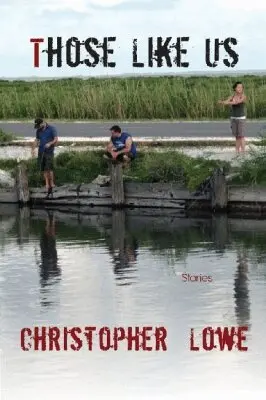
Those Like Us presents characters struggling against the weight of memory. The collection opens with the story of a teenager who connects with his dying father through the football rivalry that has always divided their family. In "Dunn's River Falls," a young veteran is thrust back into a world of chaos when his wife suffers a terrible accident on their honeymoon. "Variations on a Line from Joe Namath" centers on a high school football coach trying to carve out an identity for himself as he struggles with the legacy of his father and his own past as an athlete. Coaches and linemen, bartenders and drunks, tour guides and EMTs, the characters in these stories are obsessed and adrift.