827 kr
Skickas inom 10-15 vardagar
827 kr
Skickas inom 10-15 vardagar
1 759 kr
Skickas inom 10-15 vardagar
4 032 kr
Skickas inom 10-15 vardagar
1 318 kr
Skickas inom 10-15 vardagar
630 kr
Skickas inom 10-15 vardagar
2 444 kr
Skickas inom 10-15 vardagar
691 kr
Läs direkt efter köp
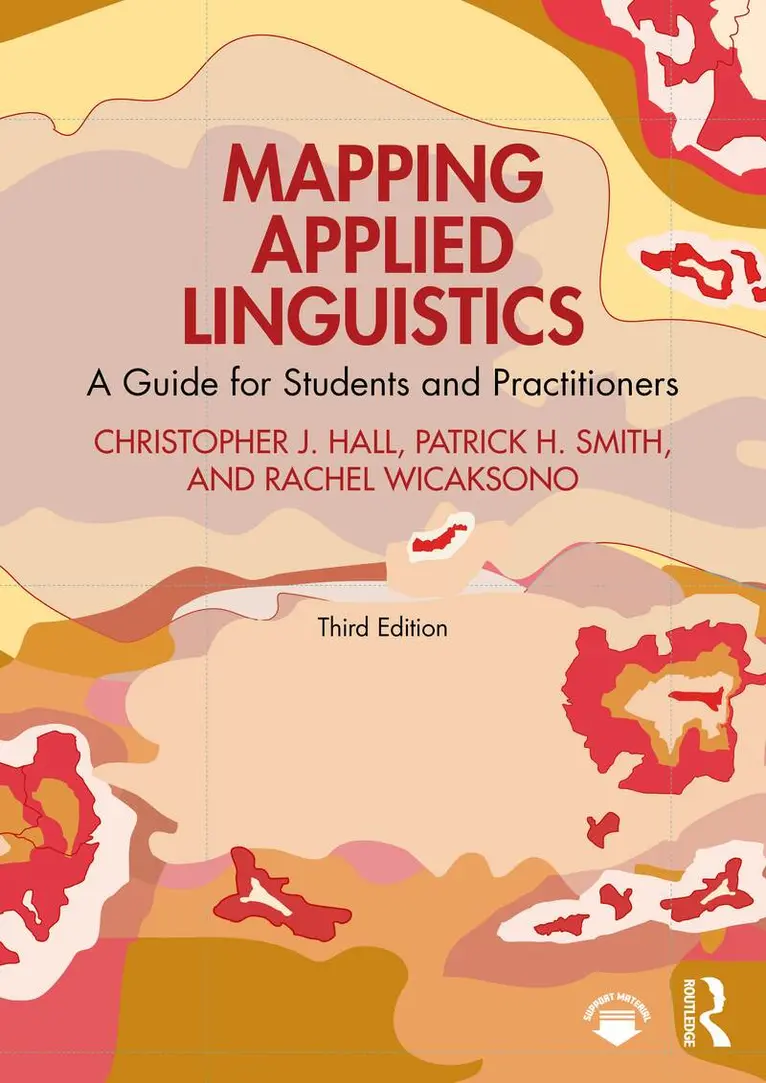
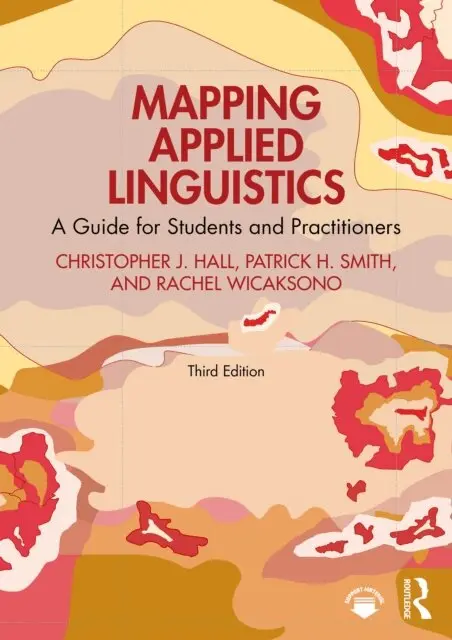
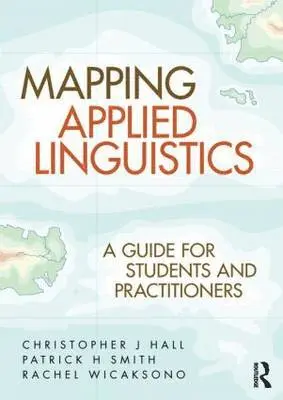
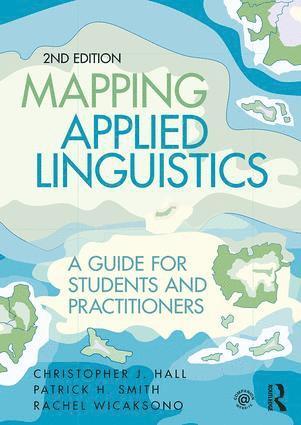
Mapping Applied Linguistics: A Guide for Students and Practitioners, Third Edition, provides a newly updated, wide-ranging introduction to the full scope of applied linguistics. This innovative book maps the diverse and constantly expanding range of theories, methods, and issues faced by students and practitioners around the world, integrating both sociocultural and cognitive perspectives. Practically oriented and ideally suited to students new to the discipline, Mapping Applied Linguistics provides in-depth coverage of:
multilingualism, language variation, and Global Englishes literacy, language teaching, and bilingual education discourse analysis language policy and planning lexicography and translation language pathology and forensic linguisticsThe third edition integrates new developments such as activist applied linguistics, raciolinguistics, translanguaging, and generative AI. It includes many new references and weblinks, completely updated further reading (including several open-source books), as well as revised activity suggestions for each chapter. The online support material has been fully updated, providing a wealth of additional learning material, including activities, flashcards, and links to the latest online resources.
Mapping Applied Linguistics is essential reading for students studying applied linguistics, TESOL, general linguistics, and language and literacy education at the advanced undergraduate or master’s degree level. It also provides a gateway for practitioners and specialists seeking to better understand the wider scope of their work.
696 kr
Läs direkt efter köp
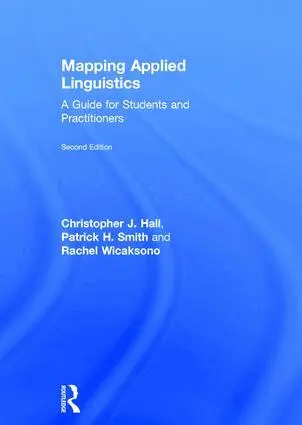
Mapping Applied Linguistics: A Guide for Students and Practitioners, Third Edition, provides a newly updated, wide-ranging introduction to the full scope of applied linguistics. This innovative book maps the diverse and constantly expanding range of theories, methods, and issues faced by students and practitioners around the world, integrating both sociocultural and cognitive perspectives. Practically oriented and ideally suited to students new to the discipline, Mapping Applied Linguistics provides in-depth coverage of:
multilingualism, language variation, and Global Englishes literacy, language teaching, and bilingual education discourse analysis language policy and planning lexicography and translation language pathology and forensic linguisticsThe third edition integrates new developments such as activist applied linguistics, raciolinguistics, translanguaging, and generative AI. It includes many new references and weblinks, completely updated further reading (including several open-source books), as well as revised activity suggestions for each chapter. The online support material has been fully updated, providing a wealth of additional learning material, including activities, flashcards, and links to the latest online resources.
Mapping Applied Linguistics is essential reading for students studying applied linguistics, TESOL, general linguistics, and language and literacy education at the advanced undergraduate or master’s degree level. It also provides a gateway for practitioners and specialists seeking to better understand the wider scope of their work.
1 920 kr
Skickas inom 7-10 vardagar
657 kr
Läs direkt efter köp
672 kr
Läs direkt efter köp
682 kr
Skickas inom 7-10 vardagar
960 kr
Läs direkt efter köp
981 kr
Läs direkt efter köp
578 kr
Skickas inom 10-15 vardagar
607 kr
Läs direkt efter köp
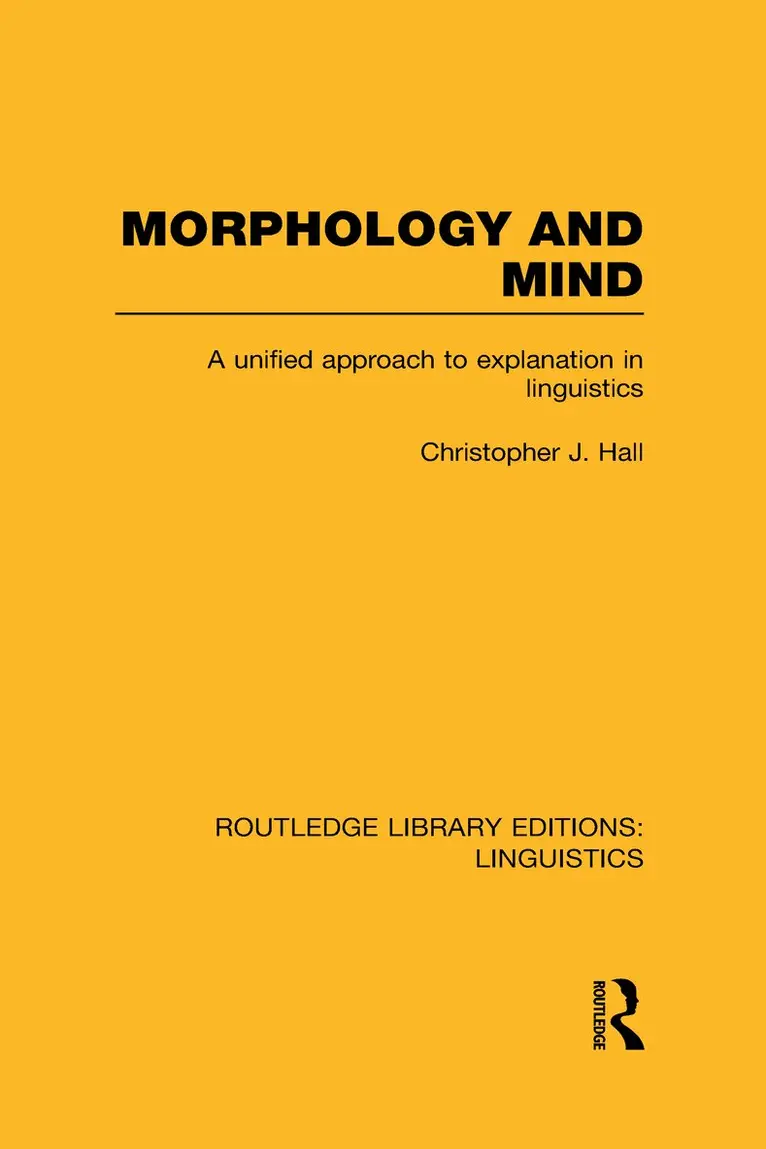
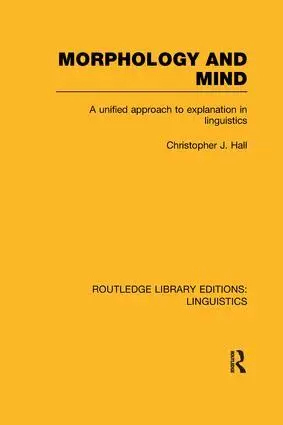
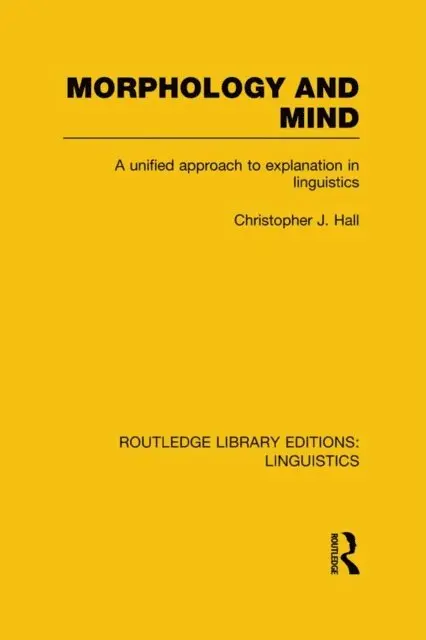
The central concern of this book is the explanation of linguistic form. It examines in detail certain cross-linguistic patterns in morphological systems, providing unified explanations of the observation that suffixes predominate over prefixes and the correlation between affix position and syntactic head position. The explanation of the suffixing preference is one which appeals to principles of language processing, tempered by cognitive constraints underlying language change. These factors, coupled with generative morphological analysis, also provide an explanation for the head/affix correlation.
The extended case-study illustrates a unified, integrative approach to explanation in linguistics which stresses two major features: the search for cognitive or other functional principles that could potentially underlie formally specified regularities; and the need for a micro-analysis of the mechanisms of ‘linkage’ between regularity and explanation. The natural methodological consequence of such an approach is a move towards greater cooperation between the various subdisciplines of linguistics, as well as a greatly needed expansion of cross-disciplinary research. The author’s broad training in theoretical morphology, formal and typological universals, and language processing, allows him to cross traditional boundaries and view the complex interactions between theoretical linguistic principles and cognitive mechanisms with considerable clarity of vision.
1 413 kr
Läs direkt efter köp
496 kr
Skickas inom 7-10 vardagar
1 725 kr
Skickas inom 7-10 vardagar
875 kr
Tillfälligt slut
2 535 kr
Tillfälligt slut
1 570 kr
Tillfälligt slut
441 kr
Tillfälligt slut