Comics and the punk movement are powerfully and inextricably linked. Each has a do-it-yourself ethos and a rebellious spirit to defy authority that complements the other. Though this link seems obvious, this collection of insightful and provocative works provides for first time a thorough analysis of the intersections between comics and punk. It also seeks to expand the discussion beyond the standard US and UK punk scenes to include the influence punk has had on comics produced in other countries, such as Spain and Turkey. Exhaustively researched, this collection is an invaluable work for scholars and fans of comics and punk.
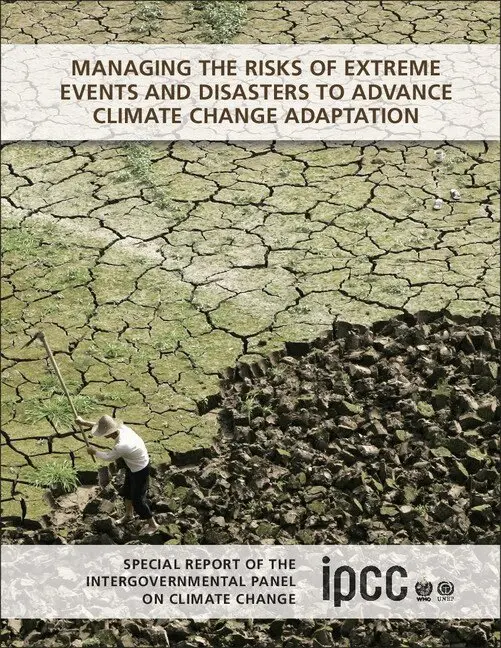
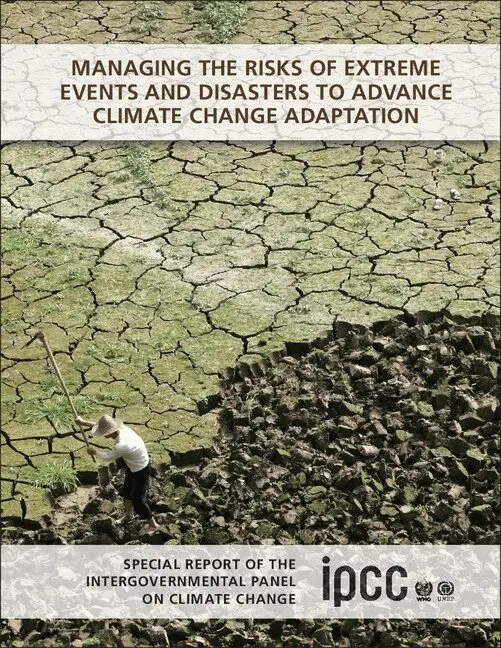
This Intergovernmental Panel on Climate Change Special Report (IPCC-SREX) explores the challenge of understanding and managing the risks of climate extremes to advance climate change adaptation. Extreme weather and climate events, interacting with exposed and vulnerable human and natural systems, can lead to disasters. Changes in the frequency and severity of the physical events affect disaster risk, but so do the spatially diverse and temporally dynamic patterns of exposure and vulnerability. Some types of extreme weather and climate events have increased in frequency or magnitude, but populations and assets at risk have also increased, with consequences for disaster risk. Opportunities for managing risks of weather- and climate-related disasters exist or can be developed at any scale, local to international. Prepared following strict IPCC procedures, SREX is an invaluable assessment for anyone interested in climate extremes, environmental disasters and adaptation to climate change, including policymakers, the private sector and academic researchers.
Stories have great power. This book attempts to harness that power to help students grow and develop as writers. It argues that stories and narratives can be utilized in the composition classroom, specifically first-year composition (FYC) to break down barriers. Throughout a given semester, stories and narratives can help students in composition courses to overcome academic, personal, and creative barriers, establishing a space for developing as writers and thinkers. Providing theoretical approaches, practical methods, and implications for using stories in FYC, this book explores the versatility of stories as teaching tools.
This Intergovernmental Panel on Climate Change Special Report (IPCC-SREX) explores the challenge of understanding and managing the risks of climate extremes to advance climate change adaptation. Extreme weather and climate events, interacting with exposed and vulnerable human and natural systems, can lead to disasters. Changes in the frequency and severity of the physical events affect disaster risk, but so do the spatially diverse and temporally dynamic patterns of exposure and vulnerability. Some types of extreme weather and climate events have increased in frequency or magnitude, but populations and assets at risk have also increased, with consequences for disaster risk. Opportunities for managing risks of weather- and climate-related disasters exist or can be developed at any scale, local to international. Prepared following strict IPCC procedures, SREX is an invaluable assessment for anyone interested in climate extremes, environmental disasters and adaptation to climate change, including policymakers, the private sector and academic researchers.
The circulation and interactions of major elements such as carbon, nitrogen, phosphorus, sulphur, oxygen, and hydrogen are critical for the maintenance of the earth's ecosystems. Human activities including agriculture, industry, and urbanization alter element interactions and contribute to major environmental problems ranging from climate change and depletion of the ozone layer to acidification of soils to the destruction of coral reefs. Interactions of the Major Biogeochemical Cycles is a new scientific assessment of element interactions in the biosphere. It provides an up-to-date review of biogeochemistry and its effects on earth's systems, with leading experts in biogeochemical cycling in atmospheric, land, freshwater, and marine environments offering chapters that summarize and synthesize information in each discipline. The book opens with chapters on cross-cutting issues that have significance in understanding global change effects and their potential management. These chapters address:* trends in element interactions in response to global changethe effects of natural disturbancesnew approaches and methods for advancing our understanding of element interactionsthe potential for managing element interactions to address major environmental issues
While a number of gases are implicated in global warming, carbon dioxide is the most important contributor, and in one sense the entire phenomena can be seen as a human-induced perturbation of the carbon cycle. The Global Carbon Cycle offers a scientific assessment of the state of current knowledge of the carbon cycle by the world's leading scientists sponsored by SCOPE and the Global Carbon Project, and other international partners. It gives an introductory over-view of the carbon cycle, with multidisciplinary contributions covering biological, physical, and social science aspects. Included are 29 chapters covering topics including: an assessment of carbon-climate-human interactions; a portfolio of carbon management options; spatial and temporal distribution of sources and sinks of carbon dioxide; socio-economic driving forces of emissions scenarios.Throughout, contributors emphasize that all parts of the carbon cycle are interrelated, and only by developing a framework that considers the full set of feedbacks will we be able to achieve a thorough understanding and develop effective management strategies.The Global Carbon Cycle edited by Christopher B. Field and Michael R. Raupach is part of the Rapid Assessment Publication series produced by the Scientific Committee on Problems of the Environment (SCOPE), in an effort to quickly disseminate the collective knowledge of the world's leading experts on topics of pressing environmental concern.