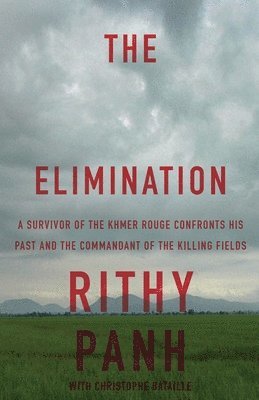
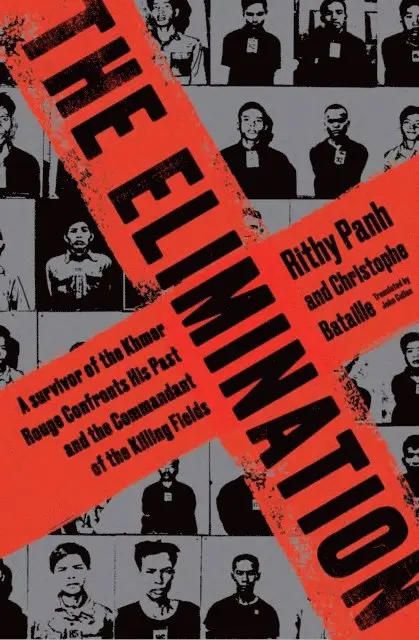
From the internationally acclaimed director of S-21: The Khmer Rouge Killing Machine, a survivor’s autobiography that confronts the evils of the Khmer Rouge dictatorship.Rithy Panh was only thirteen years old when the Khmer Rouge expelled his family from Phnom Penh in 1975. In the months and years that followed, his entire family was executed, starved, or worked to death. Thirty years later, after having become a respected filmmaker, Rithy Panh decides to question one of the men principally responsible for the genocide, Comrade Duch, who’s neither an ordinary person nor a demon—he’s an educated organizer, a slaughterer who talks, forgets, lies, explains, and works on his legacy. This confrontation unfolds into an exceptional narrative of human history and an examination of the nature of evil. The Elimination stands among the essential works that document the immense tragedies of the twentieth century, with Primo Levi’s If This Is a Man and Elie Wiesel’s Night.
In his palace in a city vanquished by the years, the Duke Gonzaga lives consumed by his passion for young girls and his deep boredom. Time passes as marked by the more than two hundred clocks situated throughout the palace. When the old hourmaster and his successor both disappear, Gonzaga employs Arturo who becomes the new keeper of the palace's timepieces. Arturo -- called Gog -- also becomes the Duke's friend and for a time alleviates Gonzaga's boredom as they share the nightly clock-keeping rounds. There seems to be the beginning of new life in the realm. The hourmaster marries happily and fathers a daughter. But the Duke's restlessness and ennui return and when the hourmaster vanishes -- for reasons the reader is to discover -- time again stands still. In the words of the translator Richard Howard, Christophe Bataille's third novel "is a remarkable, even triumphant little book."
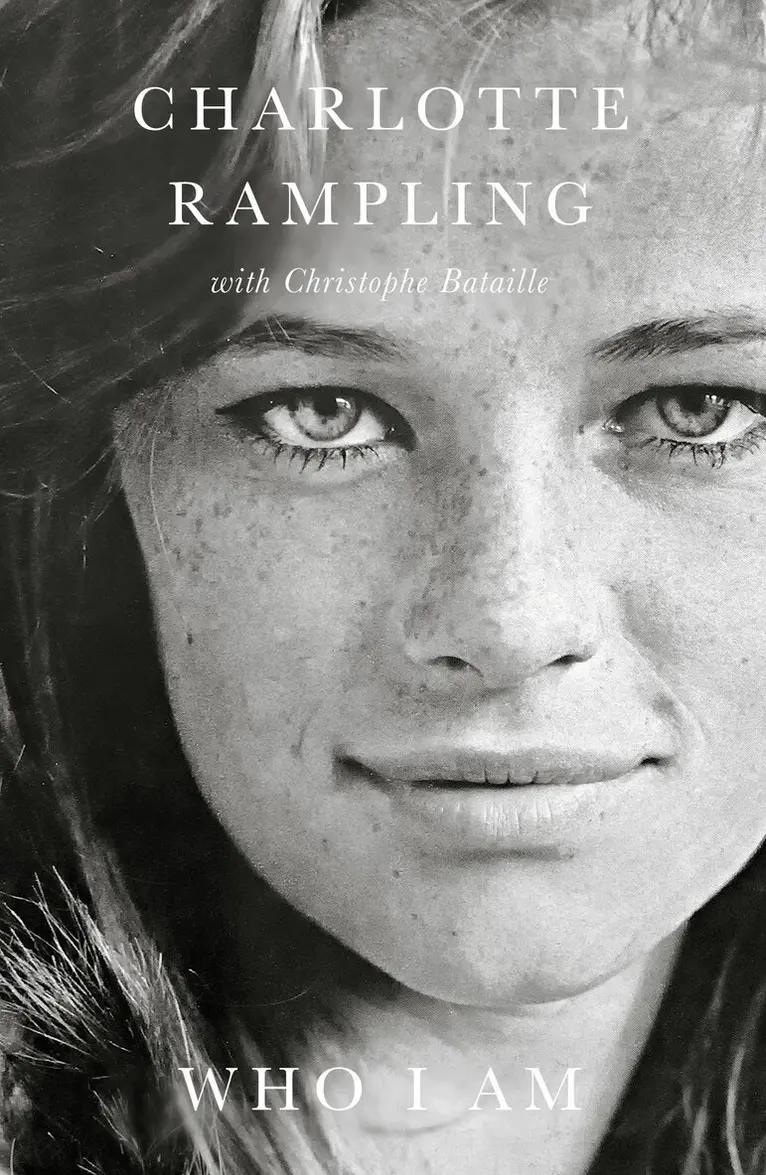
Oscar-nominated Charlotte Rampling most recently appeared in hit ITV drama Broadchurch, the BBC's London Spy and HBO's Dexter, and the feature film 45 Years.Her career has spanned popular entertainment and arthouse cinema, having starred in English, French and Italian films from 1966's Georgy Girl (opposite Lynn Redgrave), to films with French director François Ozon, including 2003's Swimming Pool.Having shied away from biographies and autobiographies ("too personal") Rampling has now written Who I Am (first published in French) a lyrical, and intimate self-portrait via reminiscences. Highly personal, packed with photographs from her personal archive, Rampling recounts her childhood and youth as the daughter of an army officer (who won a gold medal for the 4 x 400 relay in the infamous 1936 Berlin Olympics), and the memories and passions that would inspire her life and later work as an actress.Written in a style that gives a unique insight into her screen persona, it is an idiosyncratic and beguiling insight of one of the most consistently adventurous and interesting actors.