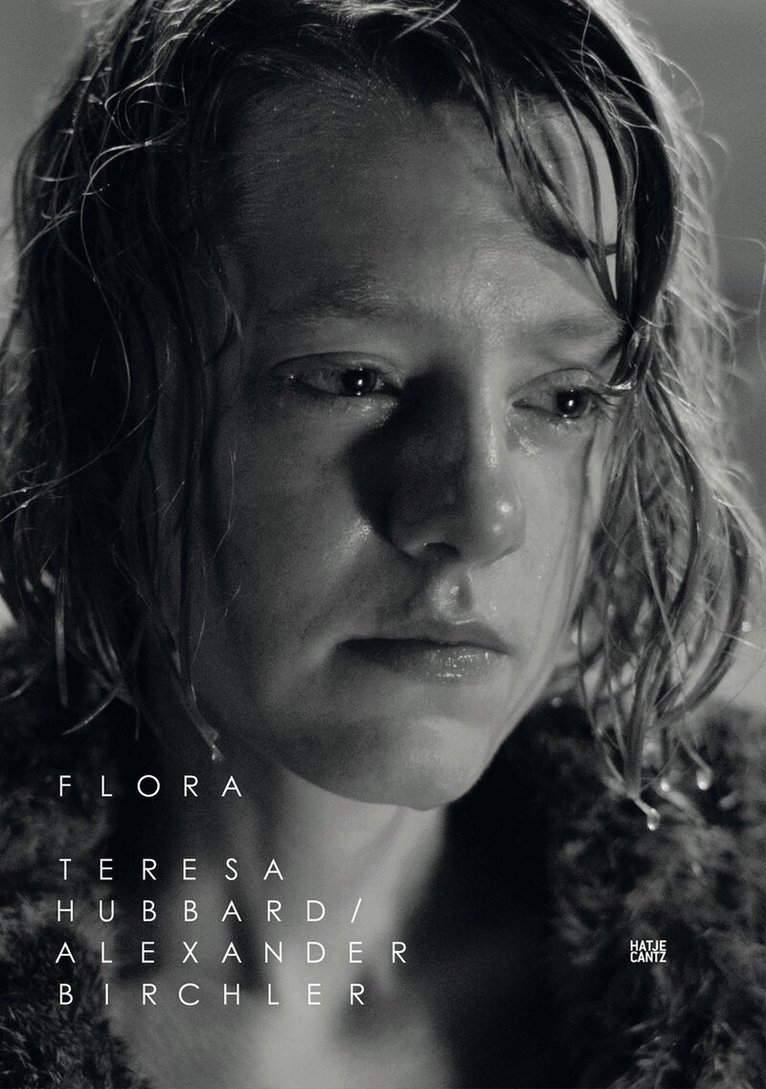
The work originally conceived by the artist couple Hubbard / Birchler for the Swiss Pavilion at the 2017 Venice Biennale re-constructs the life story of the American artist Flora Mayo. Mayo had a romantic relationship in the 1920s with the Swiss sculptor Alberto Giacometti. While he is now one of the most famous artists of the twentieth century, her work was de-stroyed, and her life forgotten. Hubbard / Birchler reanimate Mayo’s compelling biography from a feminist perspective, combining reconstruction and documentation to create a multilayered form of narrative. The catalogue, produced for the current exhibition at the Sammlung Goetz, elucidates the research the artists engaged in and documents the installa-tion in an impressive manner
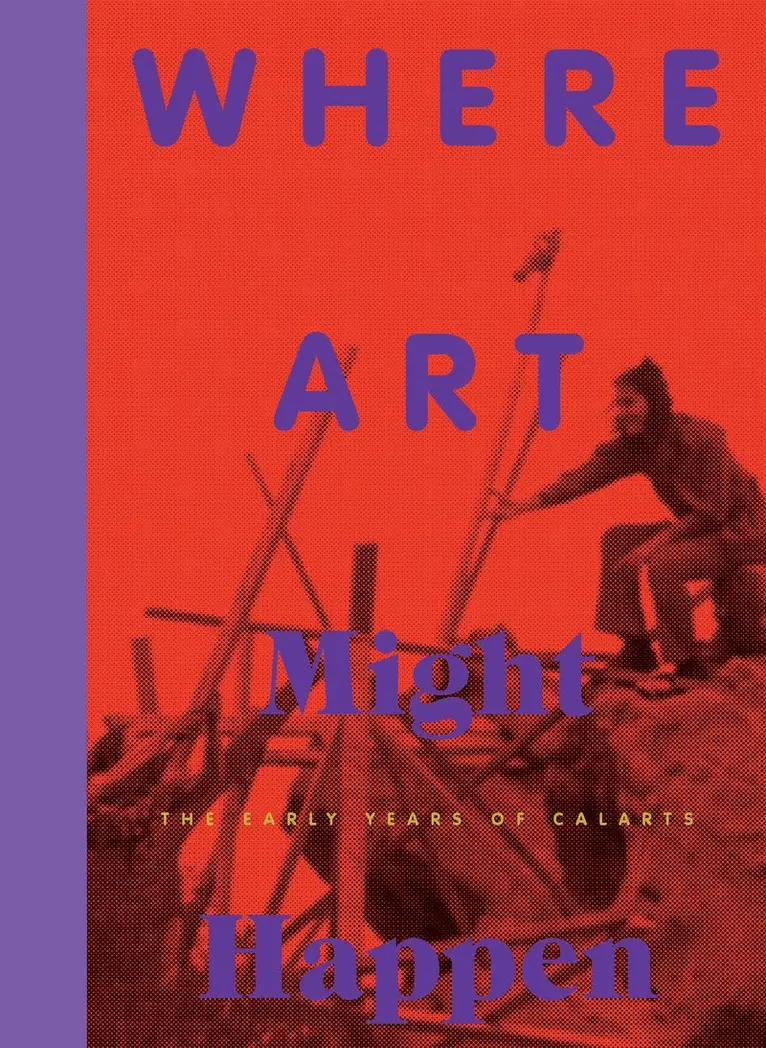
Founded in 1970 by Walt Disney, CalArts was envisioned as a place where students could exchange ideas and learn multiple means of self-expression along the lines of the Bauhaus School and Black Mountain College. Disney’s original impetus was to revive the moribund field of animation; he likely never dreamed that the school would become a trailblazing educational model. This multi- faceted exhibition catalog focuses on the school’s early years as it brings together for the first time the parallel development of the Conceptual Art, feminism, and Fluxus movements. Chronologically arranged, the catalog traces how CalArts created fertile ground for situations in which, as founding teacher John Baldessari put it, “art can happen.” It follows the institutional establishment of Baldessari’s “Post-Studio” course and Miriam Schapiro and Judy Chicago’s Feminist Art Program. It explores the school’s unique pedagogy, which placed students and teachers on equal footing, and illustrates how the school reflected social issues of the time by challenging authority and patriarchal power structures. Over one hundred works—many never before published—from forty-one artists, along with several enlightening oral history interviews with CalArts protagonists, edited by Verena Kittel, capture a unique and important moment in American arts education.