1 422 kr
Skickas inom 7-10 vardagar
1 422 kr
Skickas inom 7-10 vardagar
435 kr
Skickas inom 5-8 vardagar
1 134 kr
Skickas inom 7-10 vardagar
378 kr
Skickas inom 5-8 vardagar
330 kr
Läs direkt efter köp
330 kr
Läs direkt efter köp
2 497 kr
Skickas inom 10-15 vardagar
2 497 kr
Skickas inom 10-15 vardagar
619 kr
Skickas inom 3-6 vardagar
552 kr
Skickas inom 7-10 vardagar
627 kr
Skickas inom 7-10 vardagar
1 482 kr
Skickas inom 7-10 vardagar
1 628 kr
Skickas inom 7-10 vardagar
615 kr
Läs direkt efter köp
606 kr
Läs direkt efter köp
455 kr
Skickas inom 7-10 vardagar
630 kr
Skickas inom 7-10 vardagar
949 kr
Läs direkt efter köp
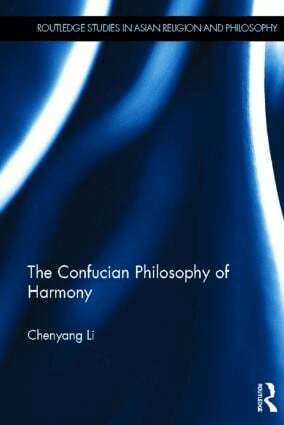
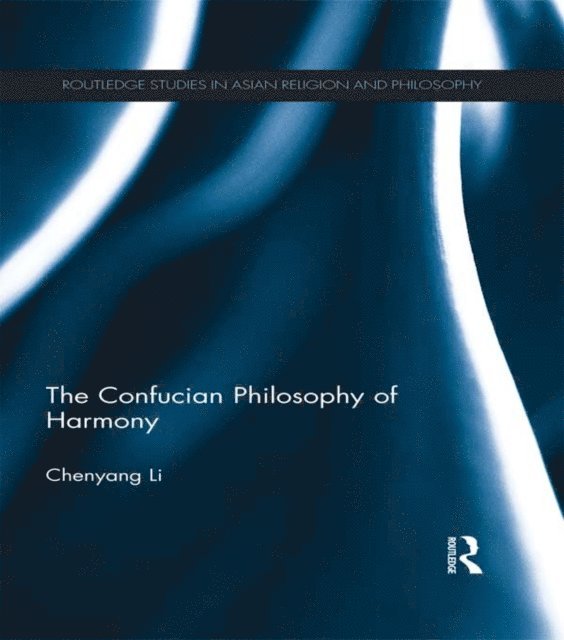
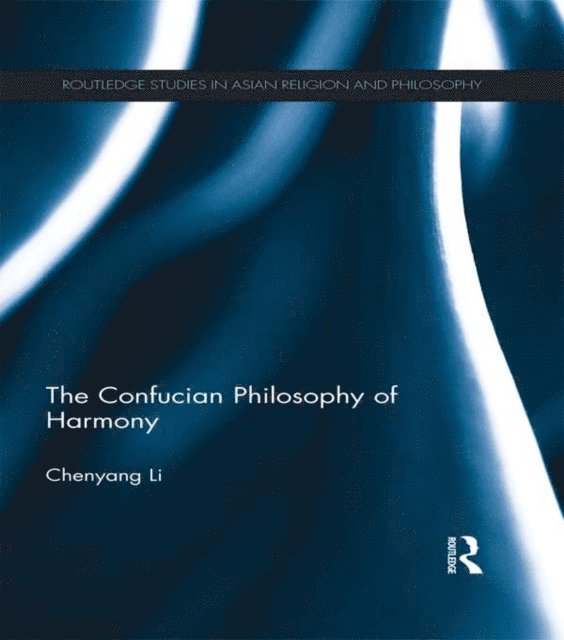
Harmony is a concept essential to Confucianism and to the way of life of past and present people in East Asia. Integrating methods of textual exegesis, historical investigation, comparative analysis, and philosophical argumentation, this book presents a comprehensive treatment of the Confucian philosophy of harmony.
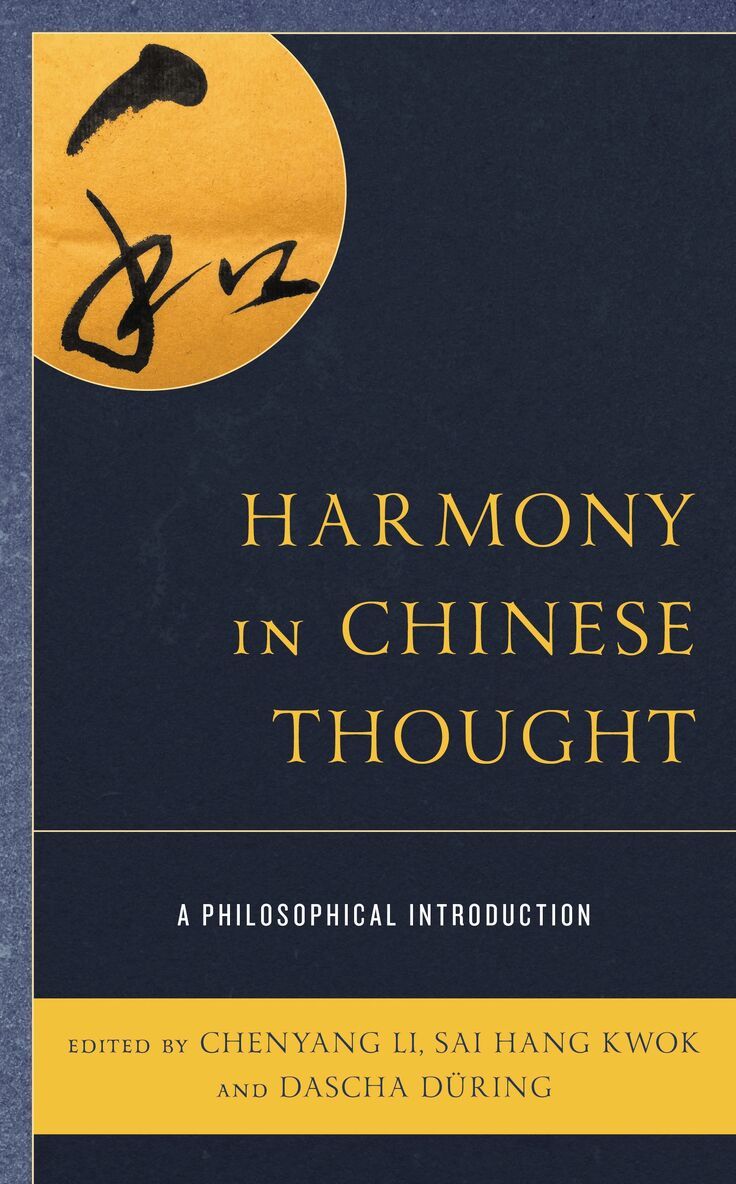
The book traces the roots of the concept to antiquity, examines its subsequent development, and explicates its theoretical and practical significance for the contemporary world. It argues that, contrary to a common view in the West, Confucian harmony is not mere agreement but has to be achieved and maintained with creative tension. Under the influence of a Weberian reading of Confucianism as "adjustment" to a world with an underlying fixed cosmic order, Confucian harmony has been systematically misinterpreted in the West as presupposing an invariable grand scheme of things that pre-exists in the world to which humanity has to conform. The book shows that Confucian harmony is a dynamic, generative process, which seeks to balance and reconcile differences and conflicts through creativity.
Illuminating one of the most important concepts in Chinese philosophy and intellectual history, this book is of interest to students of Chinese studies, history and philosophy in general and eastern philosophy in particular.
963 kr
Läs direkt efter köp
Harmony is a concept essential to Confucianism and to the way of life of past and present people in East Asia. Integrating methods of textual exegesis, historical investigation, comparative analysis, and philosophical argumentation, this book presents a comprehensive treatment of the Confucian philosophy of harmony.

The book traces the roots of the concept to antiquity, examines its subsequent development, and explicates its theoretical and practical significance for the contemporary world. It argues that, contrary to a common view in the West, Confucian harmony is not mere agreement but has to be achieved and maintained with creative tension. Under the influence of a Weberian reading of Confucianism as "adjustment" to a world with an underlying fixed cosmic order, Confucian harmony has been systematically misinterpreted in the West as presupposing an invariable grand scheme of things that pre-exists in the world to which humanity has to conform. The book shows that Confucian harmony is a dynamic, generative process, which seeks to balance and reconcile differences and conflicts through creativity.
Illuminating one of the most important concepts in Chinese philosophy and intellectual history, this book is of interest to students of Chinese studies, history and philosophy in general and eastern philosophy in particular.
877 kr
Läs direkt efter köp
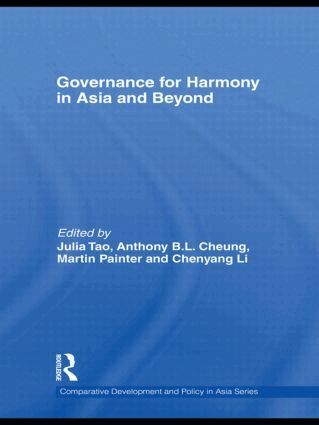
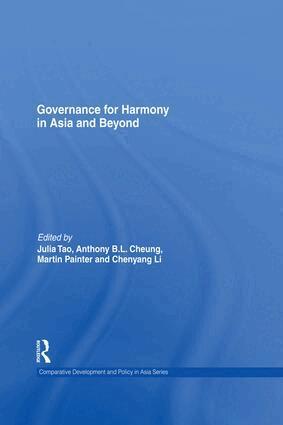
Harmony has become a major challenge for modern governance in the twenty-first century because of the multi-religious, multi-racial and multi-ethnic character of our increasingly globalized societies. Governments all over the world are facing growing pressure to integrate the many diverse elements and subcultures which make up modern pluralistic societies. This book examines the idea of harmony, and its place in politics and governance, both in theory and practice, in Asia, the West and elsewhere. It explores and analyses the meanings, mechanisms, dimensions and methodologies of harmony as a normative political ideal in both Western and Asian philosophical traditions.
The book argues that in Western political thought - which sees politics as primarily concerned with resolving social conflicts and protecting individual rights - the concept of harmony has often been neglected. In contrast, since earliest times harmony or ‘he’ has been a profound theme in Confucian thought, and current leaders of many East Asian governments, and the Chinese government, have explicitly declared that the realisation of a harmonious society is their aim. The book also assesses how harmony is pursued, jeopardized or deformed in the real world of politics, based upon empirical analysis of a variety of different cultural, social and political contexts, including: China, Hong Kong, Singapore, Malaysia, Singapore, Vietnam, Denmark, Latin America and the Scandinavian countries.
It shows how harmony as an organizing concept can help to promote new thinking in governance, and overcome problems of modern-day governance like distrust, adversarial conflicts, hyper-individualism, coercive state intervention, and free-market alienation. It also discusses the potential problems posed by the pursuit of harmony, in particular in the grave threat of totalitarianism, and considers how these risks could best be mitigated.
858 kr
Läs direkt efter köp
Harmony has become a major challenge for modern governance in the twenty-first century because of the multi-religious, multi-racial and multi-ethnic character of our increasingly globalized societies. Governments all over the world are facing growing pressure to integrate the many diverse elements and subcultures which make up modern pluralistic societies. This book examines the idea of harmony, and its place in politics and governance, both in theory and practice, in Asia, the West and elsewhere. It explores and analyses the meanings, mechanisms, dimensions and methodologies of harmony as a normative political ideal in both Western and Asian philosophical traditions.
The book argues that in Western political thought - which sees politics as primarily concerned with resolving social conflicts and protecting individual rights - the concept of harmony has often been neglected. In contrast, since earliest times harmony or ‘he’ has been a profound theme in Confucian thought, and current leaders of many East Asian governments, and the Chinese government, have explicitly declared that the realisation of a harmonious society is their aim. The book also assesses how harmony is pursued, jeopardized or deformed in the real world of politics, based upon empirical analysis of a variety of different cultural, social and political contexts, including: China, Hong Kong, Singapore, Malaysia, Singapore, Vietnam, Denmark, Latin America and the Scandinavian countries.
It shows how harmony as an organizing concept can help to promote new thinking in governance, and overcome problems of modern-day governance like distrust, adversarial conflicts, hyper-individualism, coercive state intervention, and free-market alienation. It also discusses the potential problems posed by the pursuit of harmony, in particular in the grave threat of totalitarianism, and considers how these risks could best be mitigated.
823 kr
Skickas inom 10-15 vardagar
751 kr
Skickas inom 10-15 vardagar
1 268 kr
Skickas inom 7-10 vardagar
1 403 kr
Läs direkt efter köp
1 403 kr
Läs direkt efter köp
409 kr
Kommande
1 696 kr
Skickas inom 10-15 vardagar
514 kr
Skickas inom 10-15 vardagar
567 kr
Skickas inom 10-15 vardagar