2 497 kr
Skickas inom 10-15 vardagar
2 497 kr
Skickas inom 10-15 vardagar
694 kr
Skickas inom 10-15 vardagar
1 286 kr
Skickas inom 10-15 vardagar
807 kr
Läs direkt efter köp
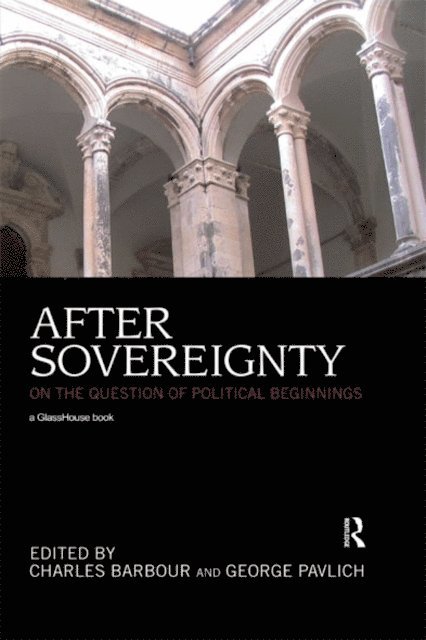
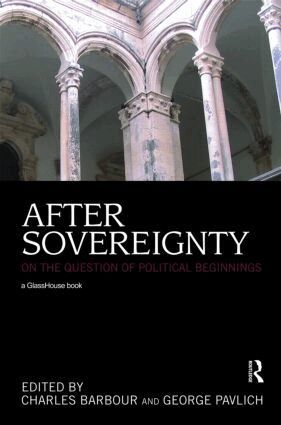
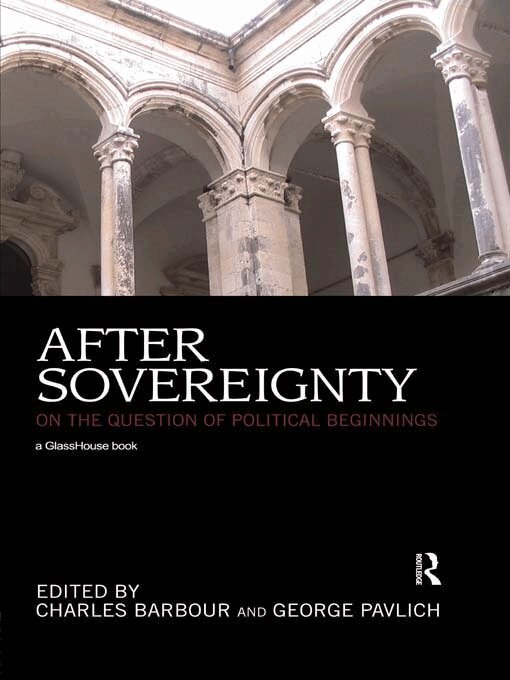
After Sovereignty addresses the vexed question of sovereignty in contemporary social, political, and legal theory. The emergence, and now apparent implosion, of international capital exceeding the borders of known political entities, the continued expansion of a potentially endless ''War on Terror'', the often predicted, but still uncertain, establishment of either a new international American Empire or a new era of International Law, the proliferation of social and political struggles among stateless refugees, migrant workers, and partial citizens, the resurgence of religion as a dominant source of political identification among people all over the globe – these developments and others have thrown into crisis the modern concept of sovereignty, and the notions of statehood and citizenship that rest upon it.
Drawing on classical sources and more contemporary speculations, and developing a range of arguments concerning the possibility of political beginnings in the current moment, the papers collected in After Sovereignty contribute to a renewed interest in the problem of sovereignty in theoretical and political debate. They also provide a multitude of resources for the urgent, if necessarily fractured and diffuse, effort to reconfigure sovereignty today. Whilst it has regularly been suggested that the sovereignty of the nation-state is in crisis, the exact reasons for, and exact implications of, this crisis have rarely been so intensively examined.
813 kr
Läs direkt efter köp
After Sovereignty addresses the vexed question of sovereignty in contemporary social, political, and legal theory. The emergence, and now apparent implosion, of international capital exceeding the borders of known political entities, the continued expansion of a potentially endless ''War on Terror'', the often predicted, but still uncertain, establishment of either a new international American Empire or a new era of International Law, the proliferation of social and political struggles among stateless refugees, migrant workers, and partial citizens, the resurgence of religion as a dominant source of political identification among people all over the globe – these developments and others have thrown into crisis the modern concept of sovereignty, and the notions of statehood and citizenship that rest upon it.
Drawing on classical sources and more contemporary speculations, and developing a range of arguments concerning the possibility of political beginnings in the current moment, the papers collected in After Sovereignty contribute to a renewed interest in the problem of sovereignty in theoretical and political debate. They also provide a multitude of resources for the urgent, if necessarily fractured and diffuse, effort to reconfigure sovereignty today. Whilst it has regularly been suggested that the sovereignty of the nation-state is in crisis, the exact reasons for, and exact implications of, this crisis have rarely been so intensively examined.
2 631 kr
Läs direkt efter köp
2 631 kr
Läs direkt efter köp
2 422 kr
Skickas inom 10-15 vardagar
Perjury, Testimony, Oath
424 kr
Läs direkt efter köp
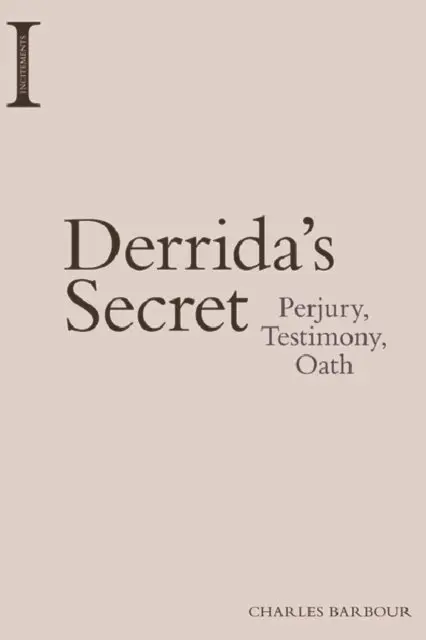
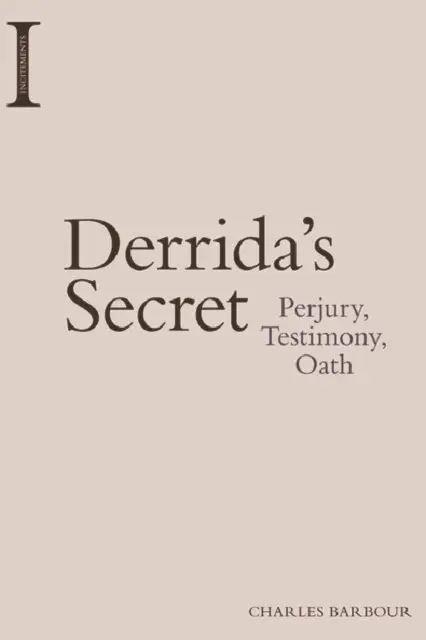
A new philosophical reflection on the secret and its importance to our contemporary political experienceThe Snowden Affair, Wikileaks, the ‘lone wolf’ terrorist, Clinton’s private email account – the secret is arguably the central element of our contemporary political experience. Now, Charles Barbour looks at the basic ontological question ‘what is a secret?’Organised as a reflection on Jacques Derrida’s later writings on secrecy, four chapters each look at a separate problematic: society and the oath, literature and testimony, philosophy and deception, and time and death. Barbour shows that secrecy is not a negation of our relations with others, but a necessary condition of those relations. We can only reveal ourselves to one another (and, indeed, to anything other) insofar as we conceal as well.Key FeaturesProvides a new philosophical reflection on the question of the secret, and its importance to contemporary political experienceDevelops a unique reading of the later work of the philosopher Jacques Derrida, and of his largely overlooked discussions of the secret in his later writings and seminarsInitiates a new method of approaching Derrida’s work – one that rejects obscurity and reveals the lucidity of his thoughtCompares Derrida’s work with that of the German sociologist Georg Simmel, and thus argues for the significance of Derrida’s work for sociologyConnects Derrida’s work to a series of philosophical debates in the Analytic tradition, such as the problems of consciousness, self-deception, and other mindsCompares Derrida’s work on the secret with a series of other important political thinkers, including Deleuze, Schmitt, Arendt, Bataille and Agamben.Keywords: Secrecy, Law, Oath, Testimony, Jacques Derrida, Georg SimmelSubject: philosophy
Perjury, Testimony, Oath
421 kr
Läs direkt efter köp
A new philosophical reflection on the secret and its importance to our contemporary political experienceThe Snowden Affair, Wikileaks, the ‘lone wolf’ terrorist, Clinton’s private email account – the secret is arguably the central element of our contemporary political experience. Now, Charles Barbour looks at the basic ontological question ‘what is a secret?’Organised as a reflection on Jacques Derrida’s later writings on secrecy, four chapters each look at a separate problematic: society and the oath, literature and testimony, philosophy and deception, and time and death. Barbour shows that secrecy is not a negation of our relations with others, but a necessary condition of those relations. We can only reveal ourselves to one another (and, indeed, to anything other) insofar as we conceal as well.Key FeaturesProvides a new philosophical reflection on the question of the secret, and its importance to contemporary political experienceDevelops a unique reading of the later work of the philosopher Jacques Derrida, and of his largely overlooked discussions of the secret in his later writings and seminarsInitiates a new method of approaching Derrida’s work – one that rejects obscurity and reveals the lucidity of his thoughtCompares Derrida’s work with that of the German sociologist Georg Simmel, and thus argues for the significance of Derrida’s work for sociologyConnects Derrida’s work to a series of philosophical debates in the Analytic tradition, such as the problems of consciousness, self-deception, and other mindsCompares Derrida’s work on the secret with a series of other important political thinkers, including Deleuze, Schmitt, Arendt, Bataille and Agamben.Keywords: Secrecy, Law, Oath, Testimony, Jacques Derrida, Georg SimmelSubject: philosophy
1 265 kr
Skickas