Häftad, Engelska, 2023
2 110 kr
Skickas inom 11-20 vardagar
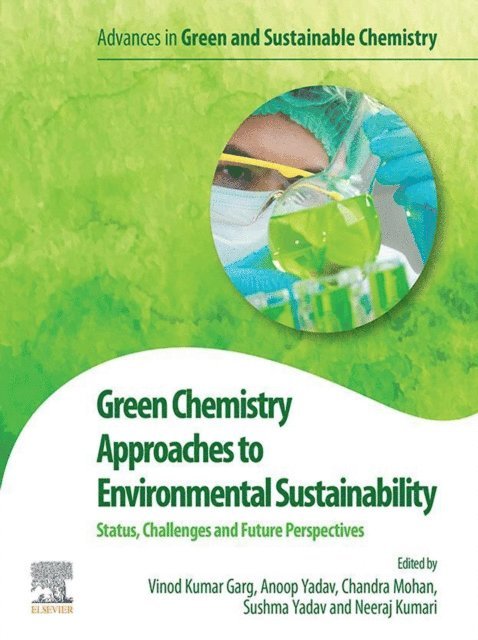
Green Chemistry Approaches to Environmental Sustainability: Status, Challenges and Prospective provides a comprehensive and complete overview of the emerging discipline of green chemistry and fundamental chemical principles. The book bridges the gap between research and industry by offering a systematic overview of current available sustainable materials and related information on new materials' suitability and potential for given projects. Along the way, the book examines natural and biodegradable materials while also presenting materials with multifunctional properties. Topics addressed in this book will be major accomplishments for sustainable developments in biofuels, renewable energies, and in the remediation of pollutants in water, air and soil. Encompasses all aspects of green chemistry through an interdisciplinary approach Addresses major accomplishments for sustainable development Presents green chemistry as a philosophical approach whereby its core principle can attribute towards sustainable developments